
love & leadership

By Kim Anthony
•
October 4, 2022
By Coach Brian Miller I have often said that if coaching was simply about my coach calling me once a week and asking me three specific questions, it would be worth almost any price. Here are the three questions: Who do you need to have a tough conversation with? When are you going to have it? How did last week’s conversation go? Learning how to have tough conversations without going in too strong can be a skill that changes our lives! A helpful book on this subject (which I’d put on my must-read book list) is Crucial Conversations: Tools for Talking When Stakes are High . The authors define a crucial conversation as one that has high stakes, strong emotion, and varying opinions. In other words, these are critical moments where communication must be at its best, and if resolved well, can relieve stress, and move you forward. In a lot of ways, the book sounds like a book on coaching. Many of the competencies overlap. Let’s break a crucial conversation into three main questions. What are we talking about? This is rarely obvious. A critical mistake in conversations is assuming that you know what the topic is. Sometimes the client is not completely forthcoming. They don’t feel safe enough to share the real topic. They may leave out important information to protect themselves or sometimes to protect the other person. They may be purposely keeping the topic off point to create some political leverage to create space for their real topic to go under the radar. Many times, though, the other person doesn’t really know what the topic is either. They just know there is a problem. In the book Crucial Conversations , the authors share a helpful acronym for determining the topic: Perform CPR. Content – The conversation may be about the actual issue that was stated. It is either about an action or its immediate consequences. Pattern – The conversation may be about a pattern of actions. This isn’t the first time this issue has come to our attention. How do we stop this from reoccurring? Relationship – The conversation may be about the relationships involved. There may be an issue of trust, competence, or respect. These are the hardest issues to resolve. As you can imagine, these are three different types of conversations. If we don’t know what we’re talking about, we’re not going to come to an adequate resolution. What do we not know yet? The book shares a great analogy. Each person in the conversation is wading in a “personal pool of meaning.” After we observe behavior, our brains automatically assign meaning to the action. Here are some meanings we might tie to a behavior: That was rude. That was smart. That was helpful. That was self-centered. These meanings have not been validated. In other words, they are simply the creation of our own imagination. They might be correct, but they might not be correct. We don’t have enough information yet. The authors recommend that one goal of the conversation is to merge these personal pools into one shared pool of meaning. My favorite quote of the entire book is: The pool of shared meaning is the birthplace of synergy . Once we understand all the meanings that have been assigned to the issue, then we have a chance to gain traction toward a healthy resolution. Without the shared pool, we will spin our tires until we are buried in the mud. What are we going to do about it? The authors say there are two reasons we fail to convert the conversation into action. The first is that we have unclear expectations about how decisions will be made. They describe four methods of decision making: Command Consult Vote Consensus Before a decision can be made that all parties feel comfortable implementing, everyone needs to agree how the decision will be made. None of these options are necessarily better than any other, but lack of agreement on which one to use can stop all progress. The second reason conversations fail to create action is that we do a poor job of acting on the decisions we do make. The authors encourage us to answer four questions about the action: Who? Does what? By when? How will you follow up? The parties answer three specifics on the action and then create accountability. This sounds a lot like coaching! Conclusion The book is filled with other good nuggets, such as how to create safety for both parties, and how to tame your brain to be vulnerable when what it really wants to do is flee, freeze, or fight. Keeping these three questions in mind during a crucial conversation or when you’re coaching a client who is in a crucial conversation can make all the difference. Now go out there and use these questions in a tough conversation that you have been ignoring. You don’t have to choose the toughest conversation but choose one and put these great tools into practice. Then you too can enter the “birthplace of synergy”. This article originally appeared at Coach Approach Ministries .

By Kim Anthony
•
March 15, 2022
Different Family Types Have Unique Dynamics The time wherein nuclear families (mom, dad, and one or more children) were seen as normal in the United States has long gone. Different family types are now much more acceptable than they were in the past, in addition to being more common. Being raised by a single mother or belonging to a mixed household is not as unusual now as it was before. The family dynamic has changed, and in this article, we’re going to talk about it. What’s even more fascinating is that each type of family—there are six main ones on which everyone can agree—has a different family dynamic. If you’re currently experiencing family issues or are going through a significant change in your family structure, learning about your family type and considering how it influences your family dynamic might help you make sense of the situation. You can gain a better understanding of the strengths and weaknesses that your family is likely dealing with by taking a look at the type and dynamics of your family. To better understand family dynamics, some people may decide to start taking parenting courses or using online therapy. Let’s Look at the Six Different Family Types 1. Nuclear Family Two parents (often married or in a legal relationship) and their children form nuclear families, also referred to as primary or traditional families. Nuclear families may have one or more biological or adopted children, but the main focus is on the parents raising their children together in the same home. Although it appears that nuclear families are decreasing, the 2016 U.S. Census data reveals that 69% of kids are still raised in atomic homes. Even if it doesn’t often happen that way, most people consider this the ideal family setting for raising kids. Strengths of the nuclear family Now that the economy is stable, both parents generally work. Children brought up in a safe family environment Consistency Put communication first Weaknesses of nuclear families Exclusion from the extended family can cause loneliness and stress and make it more difficult to resolve conflicts. Nuclear families may become overly concerned with their children and overlook other important matters as a result. Strong and successful nuclear families can exist when both parents set excellent examples for their children. These kids frequently have a lot of advantages over children from less privileged families, which can help them succeed in life. However, like any family, nuclear families have their own problems to face. For instance, if parents exclude grandparents and other extended family members, their support system won’t be strong, making it difficult to go through difficult times. 2. Single Parent Single parents and one or more children make up single-parent homes. In these situations, the parent is either divorced, widowed, or has never been married. In a paper published in 2004, Ellwood, D.T., and Jencks, C. discuss the rise of single-parent families since the 1960s, when divorce rates began to rise (and so did births happening out of wedlock). They propose that several factors include letting go of traditional gender norms, being comfortable with independence, and achieving the goal of parenting a child whether or not a partner is there. Nowadays, it’s not unusual for a mother, father, or parent to raise a child alone, and single-parent households have their advantages as well as disadvantages. Strengths of the single-parent family: Family members can grow super close. Learn to split home tasks. Both kids and parents can develop great resilience. Weaknesses of single-parent families Families find it difficult to survive on one income, and some are dependent on social assistance. For parents who need to work full-time, finding affordable, high-quality childcare can be challenging. Raising children alone can be challenging. Being a child can also be challenging if your parents are divorced or if you only knew one parent growing up. Families in this situation must make the most of their means and depend on one another for love and support. 3. Extended Family Although most Americans would consider nuclear families to be the “traditional” family, extended families are significantly more prevalent and have been present for a long time in other cultures. Extended families are those that typically include children as well as two or more adults who are connected by blood or marriage. This frequently involves cousins, aunts, uncles, or other family members residing under the same roof. Typically, extended families share a home to encourage social stability and advance common goals. Parents might, for instance, reside with their kids and their grandparents. As a result, the grandparents may be able to help with child care while the parents are at work. This enables the family to care for their parents in old age. Strengths of the extended family: It’s essential to show the elderly respect and attention. More family members are close to helping with housework, caring for children, emergencies, etc. Social assistance Weaknesses of extended families If parents are paying for multiple other people and children without receiving any more money, financial problems may arise. Depending on the setting, a lack of privacy 4. Childless Family Families without children are those when both couples are unable to have children or do not want to. These families are usually ignored or excluded in the area of family types and dynamics (even though you can still have a family without children). Growing up, getting married, and having kids used to be the norm, but in the modern world, more people are delaying or giving up having kids altogether. These unique families include working couples who like to sometimes care for other people’s children (such as nieces and nephews) rather than have their own children. They might also be adventurous couples who don’t think having children will fit well with their way of life. These relationships can exist between a husband and wife, a husband and wife, a wife and a wife, or a partner and partner. Strengths of the childless family: Typically, they have more money available. There are no children to support. You get greater freedom to travel, go on adventures, and seek careers or education of your choosing. More time is spent together as a couple. Weaknesses of childless families When all of their friends and family start having children, couples may feel alone or excluded. If you enjoy children, you could feel as though something is missing. Being childless due to infertility can be difficult for couples. 5. StepFamily A stepfamily is made up of two different families that unite to become one. One divorced parent with children may marry a person who has never been married and has never had children, or two divorced parents with one or more children may combine their households. Step-families have increased in popularity over time, much like single-parent households. Stepfamilies, like all of these different kinds of families, have their own set of strengths and problems that they must work through. Strengths of the step families: The advantages of having two parents closely benefit children. Strong relationships can develop between kids and their new siblings or stepparents. Advantages of two incomes over single-parent households Weaknesses of step families Adjustment can be challenging for both parents and children. Problems might arise when parents try to discipline each other’s children. Possibly chaotic or inconsistent. It can be challenging to move from a nuclear or single-parent family to a stepfamily. It might be difficult to adjust to new members of your family, especially if they are part of another family. However, some children will eventually grow to accept their stepparents and step-siblings as members of the family and develop close relationships with them. 6. Grandparent Family The grandparent family is the last category of family. When one or more grandparents are raising their grandkids, that situation is referred to as a grandparent family. Despite their uniqueness, grandmother-headed families are becoming more widespread. They said that in the United States, almost 2.4 million grandparents are raising 4.5 million children, according to census data. This situation arises when parents are either unable or unwilling to properly care for their children. For instance, the parents may be ill, too young to care for the child, struggling with a substance use disorder, or even dead. Thankfully, grandparents step in and take on the role of parents for their grandkids in these situations. Strengths of the grandparent family: There is a strong bond between grandparents and grandkids. Avoids putting children in foster care or other settings. Weaknesses of grandparent families Grandparents may struggle to make ends meet if they work part-time or not at all. It may be challenging for them to keep up with young children or discipline them as they get older. The upbringing of grandchildren by grandparents can be challenging. But it can be beneficial to both children and grandparents to have support. Conclusion Whatever family type you identify with, each has its own set of advantages and disadvantages. This is usually most obvious to persons who have gone through one or more changes in family type during their lives and can relate to how unique each family dynamic can be. Whether you are part of a same-sex family, an interracial family, a binuclear family, a multigenerational family unit, or have polyamorous parents, each family is unique in its own way. Individual or family therapy can help persons dealing with changes in family type/dynamics. BetterLYF, an online counselling service , can provide an outlet for people who are having difficulties with their relationships. Seeking help is a sign of courage. Don't let self-limiting beliefs hold you back from a life you deserve. Avail online therapy to become happier and better. Learn how This article originally appeard in BetterLyfe .
more stories

By Kim Anthony
•
July 14, 2026
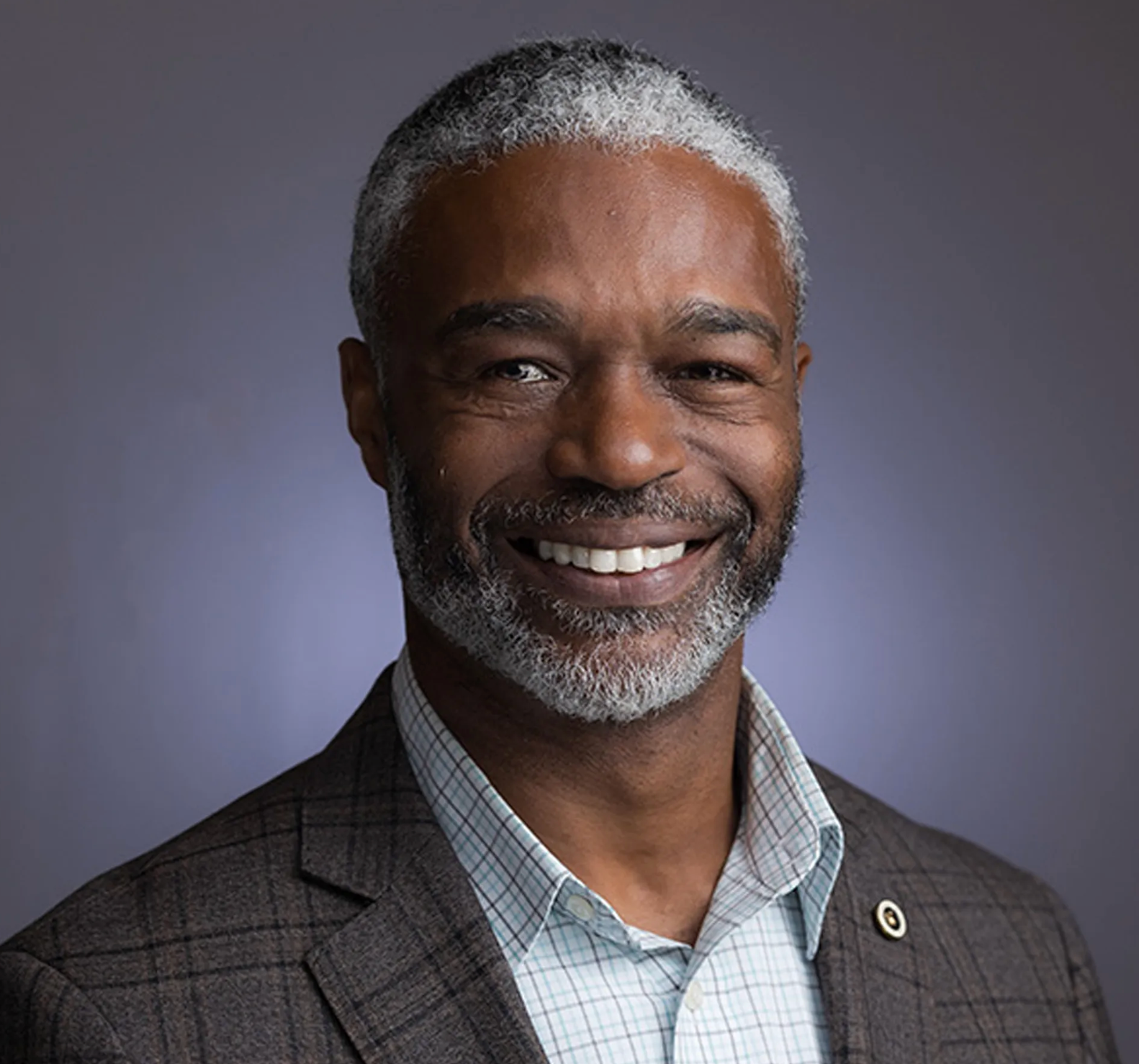
San Bernardino, CA — Artificial intelligence is no longer a distant concept reserved for Silicon Valley or global tech firms. On Saturday, February 21, 2026 , the Kinetic AI Hub will officially open its doors at The BBOP Center, offering entrepreneurs, small businesses, nonprofits, and workforce professionals direct access to practical, real-world AI education and application. Located at 599 N. Arrowhead Avenue, the Kinetic AI Hub was created to help individuals and organizations move beyond awareness and into action—learning how to responsibly deploy emerging technologies to drive growth, improve efficiency, and expand opportunity. The grand opening event begins at 11:00 a.m. and marks a significant milestone for the Inland Empire, a region increasingly focused on innovation, workforce readiness, and economic mobility. From Curiosity to Capability Unlike traditional technology centers that focus heavily on theory, the Kinetic AI Hub emphasizes hands-on training and applied project development. Participants learn how to integrate artificial intelligence into real business and organizational workflows—turning curiosity into practical capability. The Hub serves a wide range of audiences, including: Entrepreneurs and small business owners seeking to streamline operations Nonprofit organizations looking to enhance service delivery and impact Creatives and social entrepreneurs exploring AI-powered tool Workforce professionals preparing for the evolving demands of the job market By centering accessibility and ethical deployment, the Hub aims to ensure that AI adoption benefits the broader community—not just large institutions. Leadership with Regional Impact The Kinetic AI Hub is supported by a leadership and advisory team with deep roots in education, technology, entrepreneurship, and workforce development. Leadership includes Dr. Kim Carter-Tillman, President and CEO, and Donnell Layne , Chief AI Architect of the Kinetic AI Hub, who leads the technical vision and applied learning strategy. Invited guest speakers include: Don Harjo Daves-Rougeaux , Senior Advisor of Generative AI to the State Chancellor Diana Z. Rodriguez , Chancellor, San Bernardino Community College District Ciera Foster , Creative and Social Entrepreneur X. Eyee , CEO of Malo Santo Timothy Lyons , Chief Technology and Operating Officer of the BBOP Center Dr. Dale Marsden , Founder and Chief Visionary of Tomorrow’s Talent Together, The Kinetic AI Hub will execute a multidisciplinary approach designed to connect education, industry, and community needs. A New Resource for the Inland Empire As artificial intelligence reshapes nearly every sector of the economy, the Kinetic AI Hub positions our communities as a participant—rather than an observer—in the AI era. The Hub is designed as a regional resource, supporting collaboration across small businesses, nonprofits, educational institutions, and the creative economy. Organizers say the goal is not simply to teach technology, but to empower the creative solutions needed to advance the economy. Grand Opening Details The Kinetic AI Hub Grand Opening will take place on Saturday, February 21, 2026 , at 11:00 a.m. , at 599 N. Arrowhead Avenue, San Bernardino, CA 92401. Additional information is available by phone at (909) 530-2267.
By Kim Anthony
•
July 14, 2026
LinkedIn

By Urban Business Journal · Inland Empire
•
July 10, 2026
(Photo: Adobe Stock

By Kim Anthony
•
July 10, 2026
(Illustration: Courtesy of National CORE)

By Urban Business Journal - Inland Empire
•
July 10, 2026
(Photo: National CORE)

By Kim Anthony
•
April 3, 2026
(Photo: National CORE)

By UBJ Staff
•
February 26, 2026
A hotel located at the center of one of the Inland Empire’s busiest travel corridors is helping support the region’s growing business travel, conference, and networking economy. The Delta Hotels by Marriott Ontario Airport , operated by Hogan Hospitality Group , offers modern accommodations and more than 22,000 square feet of event space adjacent to both Ontario International Airport and the Ontario Convention Center . For many Inland Empire businesses, professional associations, and community organizations, accessible meeting space near a major airport and convention center is an important asset for hosting conferences, training sessions, trade events, and networking gatherings. The hotel features 303 guest rooms and seven suites , designed to provide comfort and efficiency for both business and leisure travelers. Guests also have access to amenities including an outdoor pool and several dining options within the property. Meeting and Event Facilities The property offers 15 meeting rooms , including six breakout rooms, providing flexible space for corporate meetings, workshops, board meetings, and regional business events. The largest venue can accommodate up to 655 guests , making the hotel suitable for conferences, industry gatherings, nonprofit fundraisers, and business community events connected to the Ontario Convention Center and the broader Inland Empire economy. With Ontario increasingly serving as a hub for regional conferences and trade events, hotel meeting facilities like these help provide the infrastructure needed for organizations to bring people together for learning, collaboration, and business development. Dining and Guest Amenities The hotel provides several on-site dining options that serve both overnight guests and event attendees. The property’s café offers Starbucks coffee , providing quick-service beverages and light fare. PRIME Steakhouse offers an upscale dinner experience featuring premium steaks, while Sky Harbor Bar provides a social setting with craft drinks, music, and space for informal networking. For guests needing quick access to food and beverages, the Delta Pantry provides 24-hour grab-and-go items , including breakfast options and snacks. This amenity is available exclusively to Marriott Bonvoy Platinum, Titanium, and Ambassador Elite members . Supporting Ontario’s Convention and Business Travel Economy Hotels located near the Ontario Convention Center play a vital role in supporting business travel and regional events. “We’re excited to welcome Delta Hotels by Marriott Ontario Airport to our family of hotel partners,” said Michael Krouse, president of the Greater Ontario Convention & Visitors Bureau . “Their high-quality accommodations and commitment to exceptional service make them an ideal partner as we continue to support guests visiting the Ontario Convention Center. We look forward to working together to deliver outstanding experiences and exceptional hospitality for convention travelers.” About Delta Hotels by Marriott The Delta Hotels by Marriott brand was acquired by Marriott International in April 2015 and is designed as an upscale, full-service hotel brand focused on the needs of modern frequent travelers. Originally well established in Canada, the brand continues to expand across the United States and international markets. Why It Matters for the Inland Empire Small Business Community For small businesses, entrepreneurs, and nonprofit organizations, access to professional meeting and event space is an important part of building relationships and growing opportunities. Hotels near Ontario International Airport and the Ontario Convention Center often serve as gathering places for networking events, business workshops, association meetings, trade shows, and industry conferences. These events bring together entrepreneurs, service providers, investors, and community leaders, creating opportunities for collaboration, partnerships, and business growth. They also generate economic activity for nearby restaurants, transportation services, event vendors, and local retailers — helping circulate business spending throughout the Inland Empire economy. As the region continues to grow as a destination for conferences and business travel, hospitality venues that can host large meetings while also serving smaller professional gatherings help strengthen the infrastructure that supports entrepreneurship and regional economic development. For more information visit Delta Hotels Ontario Airport .

By Kim Anthony
•
February 9, 2026
The City of Fontana, California Economic Development Department is providing a series of free workshops designed to empower the local business community with practical knowledge and skills for success. The workshops are intended to help entrepreneurs strengthen their business operations while also providing participants the opportunity to receive one-on-one assistance applying for the Fontana Empowerment Loan Fund , a financing program that supports small business growth. All workshops are scheduled from 11 a.m. to 12:30 p.m. The first session, Record Keeping 101 , will take place on April 1 at the Heritage Neighborhood Center . The interactive workshop will introduce business owners to the fundamentals of organizing and maintaining business records. Topics will include managing sales and expense tracking, payroll documentation, tax reporting obligations, and both digital and manual recordkeeping systems. City officials say maintaining accurate records is essential for a financially healthy business. Strong recordkeeping practices not only help businesses remain compliant with IRS and state reporting requirements, but also provide valuable financial insights that support better planning and decision-making. The session will be led by Brian Kennedy Jr. , ecosystem director at AmPac Business Capital. Kennedy oversees the organization’s business resource center and works to connect entrepreneurs with capital, coaching, and other resources that support business growth. AmPac Business Capital operates as a network hub designed to help business owners access funding opportunities, professional guidance, and community support. Entrepreneurs interested in attending the workshop can register online. For questions or additional information, participants may contact the Fontana Economic Development Department at clozano@fontanaca.gov

By Kim Anthony
•
January 26, 2026
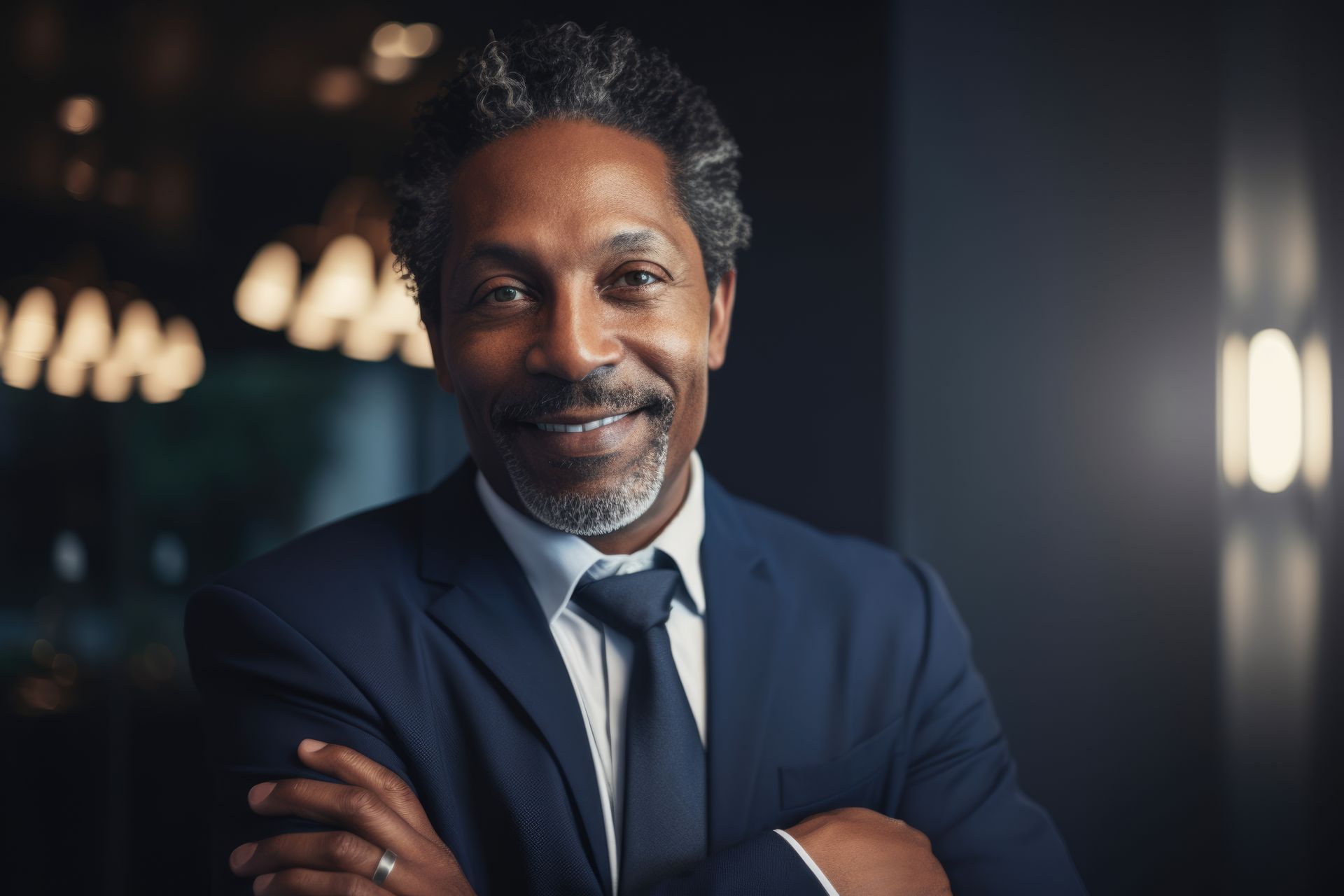
LOS ANGELES - The 2028 Olympic and Paralympic Games are coming to Los Angeles—and beyond the global spotlight and world-class competition lies a once-in-a-generation economic opportunity for small businesses across the region. From construction and logistics to catering, staffing, technology, marketing, security, transportation, and professional services, the Games will generate years of contracting and supplier demand. And according to recent information sessions, there’s one system small businesses need to understand clearly: LA28 is using LA RAMP. LA RAMP: The Official Procurement Pathway for LA28 The Los Angeles Organizing Committee for the 2028 Olympic and Paralympic Games—LA28—has aligned its supplier outreach with LA RAMP, the Los Angeles Regional Alliance Marketplace for Procurement. LA RAMP is a centralized procurement platform used by: The City of Los Angeles Los Angeles County Regional and partner agencies Large public-sector buyers and affiliated initiatives For small businesses, this is critical: If you are not registered in LA RAMP, you are not visible for LA28-related opportunities. LA RAMP serves as the gateway system where buyers identify vendors, issue solicitations, and source suppliers—often before opportunities are broadly advertised. What This Means for Small Businesses in the Inland Empire Unlike traditional "one-off” bids, LA28-related work will flow through layers of procurement—many tied to city and county departments preparing for the Games. Opportunities may appear as: Infrastructure and facility contracts Workforce and staffing services Event operations and logistics Community programming and outreach Marketing, media, and communications Professional and technical services Even if a contract doesn’t say "Olympics” in the title, it may still support Games readiness. Why Early Registration Matters One of the most important takeaways from recent LA28 info sessions is this: Many opportunities are sourced directly from vendor databases: Buyers search by capability, NAICS code, certifications, and location Vendors who are registered and complete are contacted first Waiting for public bid postings often means you’re already late LA RAMP is not just a formality—it’s an active sourcing tool. Direct vs. Indirect LA28 Opportunities Most small businesses will participate indirectly, not as prime Olympic contractors. Pathways include: Subcontracting with large prime contractors Providing specialized or local services Supporting sponsors, partners, and activation teams Delivering community-based or workforce-related services In many cases, being local, nimble, and reliable is a competitive advantage What Small Businesses Should Do Right Now To position your business for LA28-related work through LA RAMP: 1. Register and complete your LA RAMP profile: Accurate business description NAICS codes Certifications (if applicable) Service areas Past performance 2. Prepare a strong capability statement: One page. Clear. Scannable. What you do Who you serve What makes you different How you deliver 3. Package your services Avoid "we do everything.” Lead with 3–5 defined offerings, such as: Event staffing packages Catering or hospitality services Printing and signage bundles IT or technical field support Transportation or logistics solutions 4. Build relationships before bids drop. Sign up for advance notices to attend: Supplier briefings Procurement summits City and County vendor events Sports and entertainment supplier convenings Procurement is relational—not just transactional. The Bigger Picture LA28 is not a single event. It’s a multi-year economic ecosystem touching transportation, workforce development, construction, small business growth, and community engagement. Small businesses that benefit most will be those that: Register early Stay visible Understand how public procurement actually works Position themselves as dependable partners The Games are coming. The systems are already in motion. LA RAMP is where the door is. For more information visit: https://www.rampla.org
By Kim Anthony
•
January 1, 2026
For years, entrepreneurship praised the founder who could reinvent everything at a moment’s notice. The message was clear: stay flexible, pivot fast, change direction as often as necessary, and somehow the breakthrough would appear. Many people built survival on that skill. They learned to adjust when doors closed, when opportunities weren’t equal, when the plan didn’t work the first time. Reinvention became a way of staying afloat. But as we move through 2026, a different truth is beginning to emerge. The entrepreneurs gaining real traction are no longer the ones constantly starting over. They are the ones who stop scattering their energy and begin refining what already works. Instead of creating new lanes every few months, they choose one, strengthen it, deepen it, and let it mature. They discover that progress doesn’t always mean doing something new — sometimes it means doing something familiar with greater clarity, confidence, and excellence. Pivoting still has its place. Sometimes strategy really must shift. Conditions change, industries evolve, technology resets everything, and adaptation remains necessary. But pivoting as a lifestyle creates instability. When everything is always new, nothing ever has time to root. Every reinvention requires new branding, new storytelling, new systems, new audiences, and new emotional effort. Living in constant restart mode drains momentum. Eventually, the business feels like a collection of beginnings rather than a sustained journey toward mastery. In 2026, wisdom looks different than it once did. It is less about speed and more about steadiness. Instead of running toward every opportunity, focused entrepreneurs slow down long enough to ask whether the opportunity actually belongs to them. They recognize that not every trend deserves their attention. AI tools rise. Digital platforms expand. New marketing tactics promise instant success. And yet, the founders who are growing most meaningfully are not the ones chasing everything — they are the ones staying grounded in the work that truly aligns. Depth has become more powerful than distraction. There is something magnetic about a business that knows who it is and remains faithful to its identity. When a founder shows up consistently in the same lane, people begin to trust them. Over time, reputation forms. Word-of-mouth strengthens. Clients return because they recognize quality and commitment. What once felt narrow reveals itself as strength. The more deeply you plant, the wider your roots spread. This is why focus is not restriction — it is liberation. When you choose direction, your mind quiets. Decisions stop feeling chaotic. Messaging becomes clearer. Operations can finally stabilize. Instead of constantly rewriting your story, you allow your story to mature. Your calendar becomes intentional rather than frantic. Your identity as a business becomes recognizable, not blurry. Focus removes clutter and gives your effort a home. For many entrepreneurs, especially those who have had to operate in survival mode, narrowing feels risky. There is an instinct that says, “If I don’t do everything, I might miss something.” That instinct came from real experience. But 2026 invites a different kind of trust — trust that your work deserves depth, trust that commitment creates growth, and trust that excellence requires time. Mastery is not about doing more; it is about doing what matters with increasing skill and integrity. The future will not reward endless dabbling. It will reward builders — people who stay long enough to refine, improve, and evolve. Focus gives your business the stability needed to build legacy instead of just movement. It turns scattered effort into meaningful direction. It allows clients to recognize your voice, your values, and your contribution. And perhaps most importantly, focus allows you to breathe. When you stop chasing everything, you finally have the space to become who you are meant to be in business — grounded, confident, steady, and ready for the kind of growth that lasts. Because in 2026 and beyond, focus is not limitation. Focus is liberation.
AI & Technology

By Kim Anthony
•
January 1, 2026
When Hakika Wise launched Kika Stretch Studios, she wasn’t just opening a business. She was creating a wellness movement built around freedom — freedom from tension, stress, and the physical wear-and-tear that weighs so many people down. Building a Stretch Revolution Kika Stretch Studios began as a single studio with a simple mission: help people feel better in their own bodies. As demand grew, Hakika realized something important — she couldn’t scale alone. “I knew that I couldn’t expand with the speed I wanted to on my own,” she explains. “Franchising allowed others to join me — and make a living doing something meaningful.” Franchising opened the door for entrepreneurs to step into a business model designed to be fulfilling, flexible, and community-centered. Turning Pain Into Purpose One of the defining moments in Hakika’s journey came when disaster struck: her first studio caught fire. Instead of closing, she moved operations into the basement of a church — and kept going. For nine months, her team showed up, served clients, and grew. The lesson? “I realized it wasn’t about me anymore. It was about showing up for the community that depended on us.” Persistence became part of the brand culture — and the studio came back stronger. Vision for Growth Today, Kika Stretch Studios continues to grow as a leader in assisted stretching — with a clear goal to scale significantly over the next several years, while staying grounded in quality care and client experience. Wisdom for Aspiring Entrepreneurs Hakika’s advice is simple, but powerful: Trust your potential. Tune out the naysayers. Surround yourself with people who believe in you. Never quit on your vision. “Surround yourself with people who believe in you — and never give up.” — Hakika Wise Creating Space for Black-Owned Franchises Hakika is passionate about seeing more Black entrepreneurs enter the franchise world — not just as operators, but as system owners and leaders. Education, she says, is key. Through her Instagram platform, @the_school_of_franchising, she teaches lessons, shares insights, and helps aspiring franchise owners believe in what’s possible. Says Hakika, “If I could build this, others can too.” And that’s the true heart of the Kika Stretch story — not just stretching bodies, but stretching possibility. Photo: Medium - Authority Magazine

By Kim Anthony
•
January 1, 2026
Senior U.S. Judge Thomas Thrash has ruled that the Fearless Fund, a venture capital firm based in Atlanta, can continue its grant program exclusively tailored for Black women entrepreneurs. The judge said the lawsuit challenging the practice, which argued it unlawfully excluded individuals of other races, was unlikely to succeed. The Fearless Fund, while a relatively small player in the global venture capital market, has come to symbolize the broader debate surrounding corporate diversity policies. However, the lawsuit against the organization may set a precedent as discussions on race considerations evolve within the workplace, particularly in light of the U.S. Supreme Court’s recent ruling in June ending affirmative action in college admissions. Sign up for our Daily eBlast to get coverage on Black communities from the media company who has been doing it right for over 133 years. Edward Blum, an anti-affirmative action activist well-known for his involvement in the Supreme Court’s June college admissions cases, is the head of the nonprofit American Alliance for Equal Rights, which requested the preliminary injunction. Blum has expressed plans to appeal the decision, claiming that civil rights laws prohibit racial distinctions based on overrepresentation or underrepresentation. The Fearless Strivers Grant Contest, which awards $20,000 to Black women entrepreneurs, remains at the center of the lawsuit. Blum argues that this contest violates a section of the Civil Rights Act of 1866, which prohibits racial discrimination in contracts. He claims that members outside the specified racial category are excluded. Judge Thrash contended that the grants constituted “charitable donations” aimed, in part, at acknowledging the discrimination faced by Black women business owners. He asserted that such donations are protected as “expressive conduct” under the First Amendment. The judge criticized the alliance’s attempt to alter the fund’s intended message. Gilbert Dickey, an attorney for the alliance, pointed out that the grant program does not extend to other racial minorities, including Hispanics. He argued that privileging one race over others violates First Amendment protection. The Fearless Fund maintains that its objective is to remove the obstacles that keep companies run by women of color from getting venture capital funding. “We will continue to run the nation’s first venture capital fund that is built by women of color for women of color,” declared Fearless Fund CEO and co-founder Arian Simone. “We realize there is still a long road ahead, but today we remain fearless and steadfast in creating pathways that empower women of color entrepreneurs.” Data from the nonprofit advocacy group Digital Undivided shows that less than 1 percent of venture capital funding goes to businesses owned by Black and Hispanic women. Founded in 2019, the Fearless Fund conducts the grant contest quarterly, with eligibility criteria stipulating that a business must be at least 51 percent owned by a Black woman, among other requirements. The NAACP Legal Defense Fund, the National Women’s Law Center, and the Gibson, Dunn, and Crutcher law firm have supported the Fearless Fund in fighting Blum’s lawsuit. Prominent figures, including civil rights advocate Ben Crump, have rallied to defend the Fearless Fund against allegations of discrimination. The Fearless Fund has invested over $26.5 million in businesses run by women of color with the support of industry titans like JPMorgan Chase and Mastercard. They have also awarded grants exceeding $3 million to Black women-owned businesses. Jason Schwartz, a partner at Gibson Dunn, stressed the importance of offering grants to Black women small business owners to achieve economic freedom. Alphonso David, another of the Fearless Fund’s lawyers, president, and CEO of the Global Black Economic Forum, condemned Blum’s claims as baseless attempts to subvert existing law. He affirmed their commitment to defend the Fearless Fund and its crucial work vigorously. “Today, the playing field is not level – that is beyond dispute,” David asserted in an earlier statement. “Those targeting Fearless Fund want to propagate a system that privileges some and shuts out most. They want to pretend that inequities do not exist. They want us to deny our history.” This article was originally published by NNPA Newswire.
By Kim Anthony
•
December 26, 2025
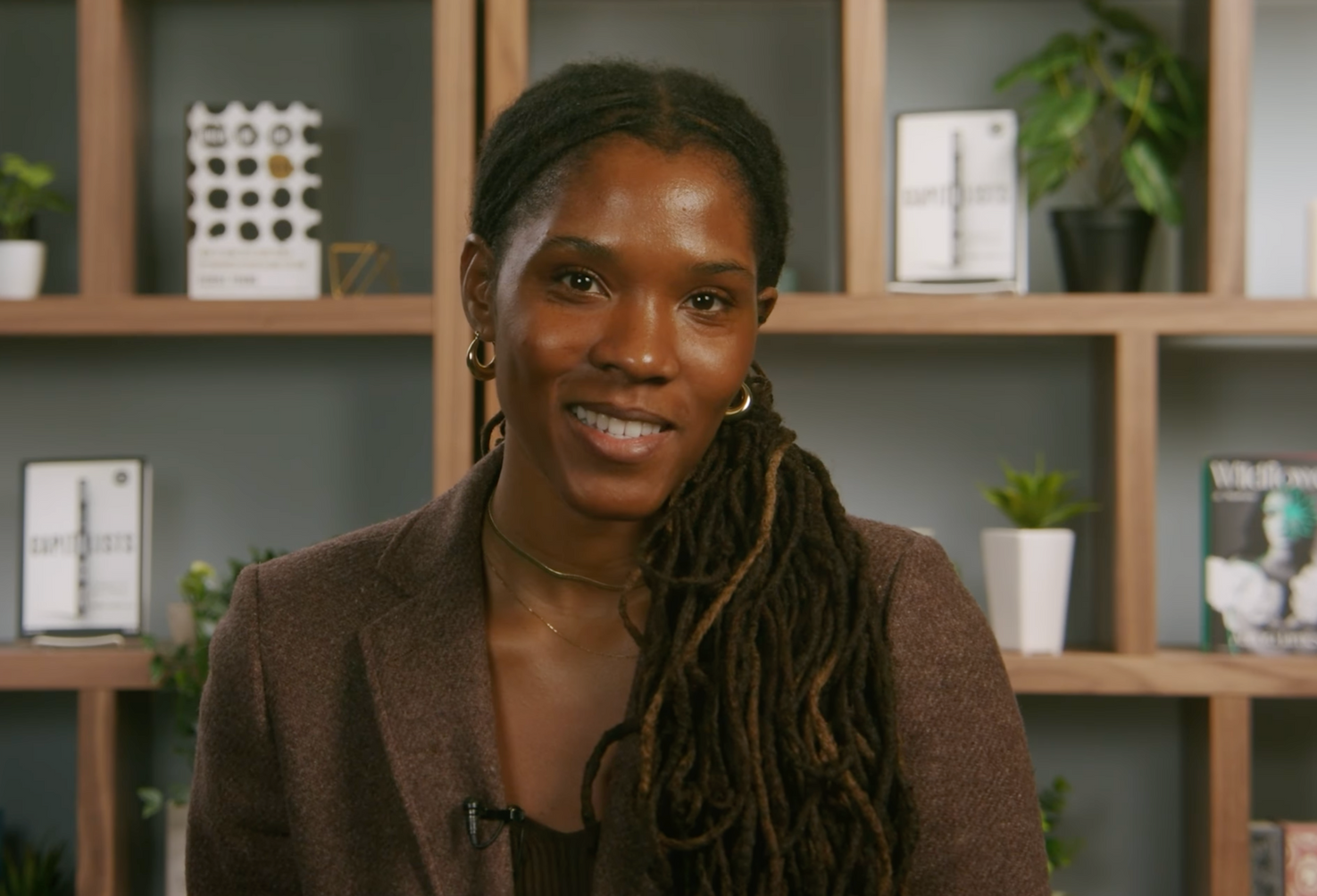
Dr. Rachel Laryea grew up as the daughter of a Ghanaian immigrant single mother — shaped by resilience, education, and deep curiosity about how people survive, thrive, and build. Her path took her from Goldman Sachs into the heart of global finance, and then into academia at Yale University, where she earned a dual PhD in African American Studies and Sociocultural Anthropology. She walked into Wall Street as both insider and outsider. And that tension — belonging and questioning at the same time — became the catalyst for her new book, Black Capitalists: A Blueprint for What Is Possible. Laryea describes her early corporate experience as a kind of “culture shock.” Goldman Sachs exposed her to wealth, privilege, speed, and power — but also to contradictions. The environment raised more questions than answers and set her on a path of asking: How do Black people navigate an economic system that has often profited from our labor — while rarely inviting us to benefit fully from it? That curiosity didn’t push her away from capitalism. Instead, it pushed her deeper into understanding how it works — and how it could work differently. Challenging the Story: Are Black People Only Labor — Never Beneficiaries? Much of academic conversation about capitalism and race assumes one truth: that Black participation inevitably leads to exploitation. There is history to support that view — slavery, discriminatory banking systems, and a racial wealth gap that remains wide. But Laryea noticed something striking during her time on Wall Street: Black people — and people of color — were not only surviving inside the “belly of the beast.” They were navigating, negotiating, growing, and sometimes redirecting resources back into their communities. Their relationship with capitalism wasn’t simple. It was: complicated strategic layered sometimes contradictory That realization reframed her work. Instead of asking whether Black people “belong” in capitalism, she began asking: What happens when Black people learn to reposition themselves inside the system — intentionally, ethically, and purposefully — to create social good?
By Kim Anthony
•
December 26, 2025
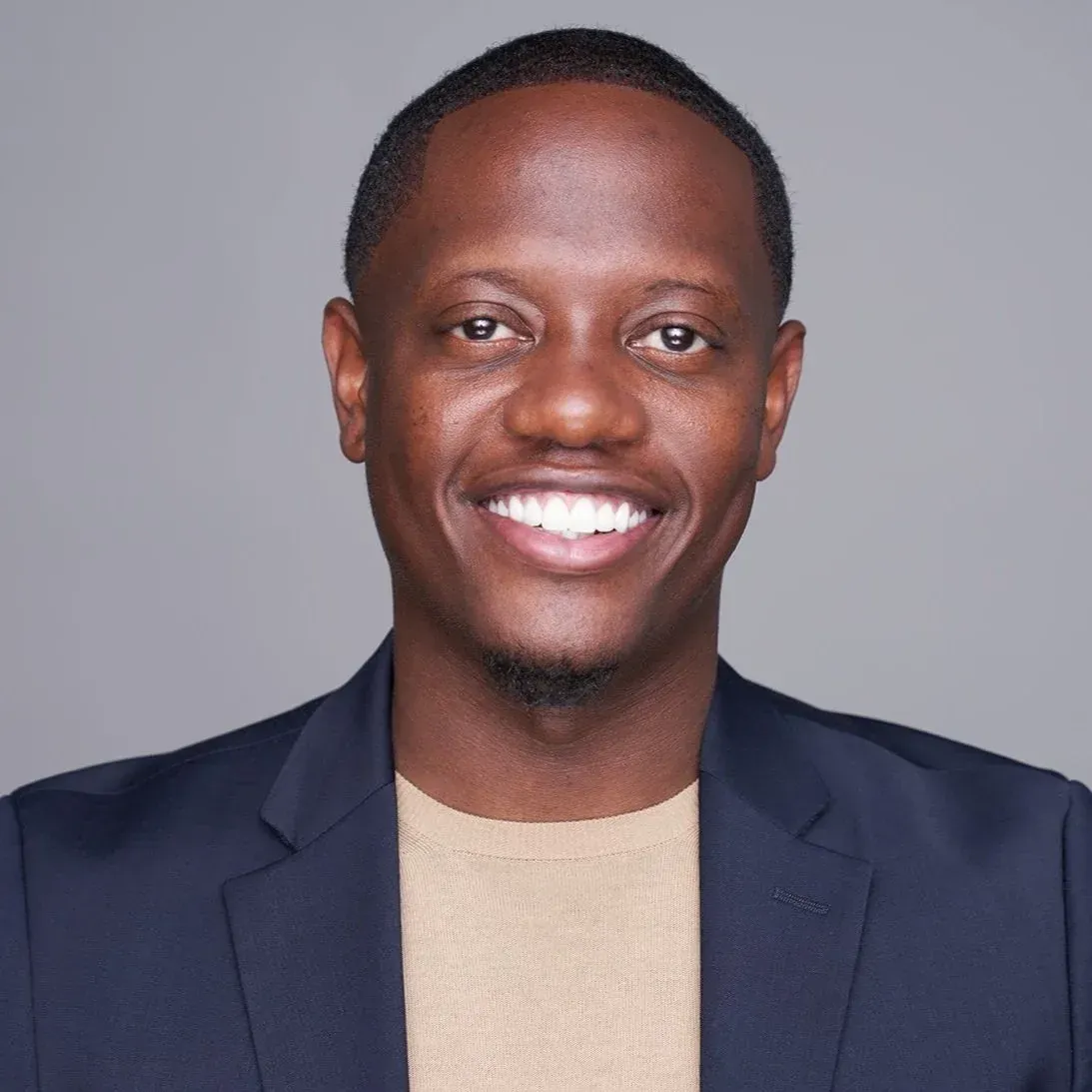
Humble Lukanga’s Journey of Stewardship, Integrity, and Care Before he became a trusted financial advisor to athletes, entertainers, and cultural leaders, Lameck “Humble” Lukanga was a boy growing up in a small Ugandan village—one shaped by uncertainty, loss, and resilience. Today, Lukanga quietly advises some of the most visible figures in sports and entertainment, helping them navigate sudden wealth, complex decisions, and generational responsibility. But the moment that brought his name into public view revealed something far deeper than financial skill—it revealed character. While overseeing the finances of NBA player Lonzo Ball, Lukanga discovered that more than $1.5 million was missing from Ball’s personal and business accounts. Rather than look away, he spoke up. For Lukanga, it was never about exposure—it was about protection. “Without Humble, I don’t know where I’d be right now,” Ball later shared. “I’d be in a very bad situation.” Where Wisdom Begins Lukanga’s calm presence and thoughtful counsel are rooted in lived experience. He was born in Uganda during a period of political unrest. His family endured profound loss—some relatives were killed, others died from illness and instability. Fear was part of daily life. When Lukanga was 11, his family was granted political asylum in the United States. They left Uganda quietly one night, arriving in Denver, Colorado, with little more than hope. His parents called it winning the “freedom lottery,” though freedom came with hardship. His mother worked as a maid. His father cleaned restaurants late into the night. Lukanga remembers discovering school lunches, school buses, and library books—and also learning early what responsibility looked like. Growing Up Fast In high school, Lukanga’s mother suffered a stroke that left her paralyzed. His father became her caregiver while working longer hours. Lukanga helped where he could, often running on just a few hours of sleep. School became a refuge. Teachers noticed his determination and his dreams of building something meaningful. While attending the University of New Mexico, he began selling CDs and T-shirts out of his trunk—learning business by doing. Then loss struck again. His mother passed away. Soon after, his father died of a heart attack while traveling to Uganda to bury her. In his early twenties, Lukanga found himself alone—but not without purpose. More Than Money By age 23, Lukanga had earned his MBA. Yet he never saw money as just numbers. To him, spending habits reflect values, wounds, and priorities. This belief shaped his approach to advising clients—many of whom are young, newly successful, and navigating wealth for the first time. He often describes himself not just as a financial advisor, but as a steward—someone who helps clients slow down, stay grounded, and think beyond the moment. “You might not like me in your 20s,” he tells them with a smile. “But in your 30s, you’ll thank me.” Former NFL star Arian Foster remembers one of Lukanga’s earliest lessons, when Foster had little money and even less margin for mistakes. “He told me I couldn’t afford Applebee’s,” Foster laughed. “And he was right.” Trust Built on Shared Experience Today, Lukanga advises about 40 clients and manages more than $120 million in assets. His clients include professional athletes, entertainers, and creatives—many of whom see themselves in his story. “You go from being a kid to a multimillion-dollar entity overnight,” Lukanga says. “Everyone has advice. Very few people have wisdom.” That wisdom, clients say, comes from his journey. From surviving scarcity to stewarding abundance, Lukanga understands both worlds. He often says that when one person rises, an entire family rises with them—and that responsibility deserves care. A Life of Giving Back Lukanga dedicates each day to someone who is no longer here, often thinking of his parents. “Some of my greatest peace,” he says, “comes from knowing that I am my father’s wildest dream.” He volunteers regularly in Uganda, mentors young people in underserved communities, and speaks to students who may not yet see what’s possible for themselves. When invited to deliver the University of New Mexico’s commencement address, Lukanga offered a simple charge: “Leave your fingerprint on the heart of the world. Go make history.” From a remote Ugandan village to America’s most influential financial rooms, Humble Lukanga’s story is not just about success—it’s about stewardship, integrity, and love. And through his work, he continues to prove that wealth, when guided by wisdom, can heal families, protect futures, and change generations.
Breaking News
By Kim Anthony
•
July 14, 2026
San Bernardino, CA — Artificial intelligence is no longer a distant concept reserved for Silicon Valley or global tech firms. On Saturday, February 21, 2026 , the Kinetic AI Hub will officially open its doors at The BBOP Center, offering entrepreneurs, small businesses, nonprofits, and workforce professionals direct access to practical, real-world AI education and application. Located at 599 N. Arrowhead Avenue, the Kinetic AI Hub was created to help individuals and organizations move beyond awareness and into action—learning how to responsibly deploy emerging technologies to drive growth, improve efficiency, and expand opportunity. The grand opening event begins at 11:00 a.m. and marks a significant milestone for the Inland Empire, a region increasingly focused on innovation, workforce readiness, and economic mobility. From Curiosity to Capability Unlike traditional technology centers that focus heavily on theory, the Kinetic AI Hub emphasizes hands-on training and applied project development. Participants learn how to integrate artificial intelligence into real business and organizational workflows—turning curiosity into practical capability. The Hub serves a wide range of audiences, including: Entrepreneurs and small business owners seeking to streamline operations Nonprofit organizations looking to enhance service delivery and impact Creatives and social entrepreneurs exploring AI-powered tool Workforce professionals preparing for the evolving demands of the job market By centering accessibility and ethical deployment, the Hub aims to ensure that AI adoption benefits the broader community—not just large institutions. Leadership with Regional Impact The Kinetic AI Hub is supported by a leadership and advisory team with deep roots in education, technology, entrepreneurship, and workforce development. Leadership includes Dr. Kim Carter-Tillman, President and CEO, and Donnell Layne , Chief AI Architect of the Kinetic AI Hub, who leads the technical vision and applied learning strategy. Invited guest speakers include: Don Harjo Daves-Rougeaux , Senior Advisor of Generative AI to the State Chancellor Diana Z. Rodriguez , Chancellor, San Bernardino Community College District Ciera Foster , Creative and Social Entrepreneur X. Eyee , CEO of Malo Santo Timothy Lyons , Chief Technology and Operating Officer of the BBOP Center Dr. Dale Marsden , Founder and Chief Visionary of Tomorrow’s Talent Together, The Kinetic AI Hub will execute a multidisciplinary approach designed to connect education, industry, and community needs. A New Resource for the Inland Empire As artificial intelligence reshapes nearly every sector of the economy, the Kinetic AI Hub positions our communities as a participant—rather than an observer—in the AI era. The Hub is designed as a regional resource, supporting collaboration across small businesses, nonprofits, educational institutions, and the creative economy. Organizers say the goal is not simply to teach technology, but to empower the creative solutions needed to advance the economy. Grand Opening Details The Kinetic AI Hub Grand Opening will take place on Saturday, February 21, 2026 , at 11:00 a.m. , at 599 N. Arrowhead Avenue, San Bernardino, CA 92401. Additional information is available by phone at (909) 530-2267.
By Kim Anthony
•
July 14, 2026
LinkedIn
By Urban Business Journal · Inland Empire
•
July 10, 2026
(Photo: Adobe Stock
By Kim Anthony
•
July 10, 2026
(Illustration: Courtesy of National CORE)
By Urban Business Journal - Inland Empire
•
July 10, 2026
(Photo: National CORE)
By Kim Anthony
•
April 3, 2026
(Photo: National CORE)
By UBJ Staff
•
February 26, 2026
A hotel located at the center of one of the Inland Empire’s busiest travel corridors is helping support the region’s growing business travel, conference, and networking economy. The Delta Hotels by Marriott Ontario Airport , operated by Hogan Hospitality Group , offers modern accommodations and more than 22,000 square feet of event space adjacent to both Ontario International Airport and the Ontario Convention Center . For many Inland Empire businesses, professional associations, and community organizations, accessible meeting space near a major airport and convention center is an important asset for hosting conferences, training sessions, trade events, and networking gatherings. The hotel features 303 guest rooms and seven suites , designed to provide comfort and efficiency for both business and leisure travelers. Guests also have access to amenities including an outdoor pool and several dining options within the property. Meeting and Event Facilities The property offers 15 meeting rooms , including six breakout rooms, providing flexible space for corporate meetings, workshops, board meetings, and regional business events. The largest venue can accommodate up to 655 guests , making the hotel suitable for conferences, industry gatherings, nonprofit fundraisers, and business community events connected to the Ontario Convention Center and the broader Inland Empire economy. With Ontario increasingly serving as a hub for regional conferences and trade events, hotel meeting facilities like these help provide the infrastructure needed for organizations to bring people together for learning, collaboration, and business development. Dining and Guest Amenities The hotel provides several on-site dining options that serve both overnight guests and event attendees. The property’s café offers Starbucks coffee , providing quick-service beverages and light fare. PRIME Steakhouse offers an upscale dinner experience featuring premium steaks, while Sky Harbor Bar provides a social setting with craft drinks, music, and space for informal networking. For guests needing quick access to food and beverages, the Delta Pantry provides 24-hour grab-and-go items , including breakfast options and snacks. This amenity is available exclusively to Marriott Bonvoy Platinum, Titanium, and Ambassador Elite members . Supporting Ontario’s Convention and Business Travel Economy Hotels located near the Ontario Convention Center play a vital role in supporting business travel and regional events. “We’re excited to welcome Delta Hotels by Marriott Ontario Airport to our family of hotel partners,” said Michael Krouse, president of the Greater Ontario Convention & Visitors Bureau . “Their high-quality accommodations and commitment to exceptional service make them an ideal partner as we continue to support guests visiting the Ontario Convention Center. We look forward to working together to deliver outstanding experiences and exceptional hospitality for convention travelers.” About Delta Hotels by Marriott The Delta Hotels by Marriott brand was acquired by Marriott International in April 2015 and is designed as an upscale, full-service hotel brand focused on the needs of modern frequent travelers. Originally well established in Canada, the brand continues to expand across the United States and international markets. Why It Matters for the Inland Empire Small Business Community For small businesses, entrepreneurs, and nonprofit organizations, access to professional meeting and event space is an important part of building relationships and growing opportunities. Hotels near Ontario International Airport and the Ontario Convention Center often serve as gathering places for networking events, business workshops, association meetings, trade shows, and industry conferences. These events bring together entrepreneurs, service providers, investors, and community leaders, creating opportunities for collaboration, partnerships, and business growth. They also generate economic activity for nearby restaurants, transportation services, event vendors, and local retailers — helping circulate business spending throughout the Inland Empire economy. As the region continues to grow as a destination for conferences and business travel, hospitality venues that can host large meetings while also serving smaller professional gatherings help strengthen the infrastructure that supports entrepreneurship and regional economic development. For more information visit Delta Hotels Ontario Airport .
By Kim Anthony
•
February 9, 2026
The City of Fontana, California Economic Development Department is providing a series of free workshops designed to empower the local business community with practical knowledge and skills for success. The workshops are intended to help entrepreneurs strengthen their business operations while also providing participants the opportunity to receive one-on-one assistance applying for the Fontana Empowerment Loan Fund , a financing program that supports small business growth. All workshops are scheduled from 11 a.m. to 12:30 p.m. The first session, Record Keeping 101 , will take place on April 1 at the Heritage Neighborhood Center . The interactive workshop will introduce business owners to the fundamentals of organizing and maintaining business records. Topics will include managing sales and expense tracking, payroll documentation, tax reporting obligations, and both digital and manual recordkeeping systems. City officials say maintaining accurate records is essential for a financially healthy business. Strong recordkeeping practices not only help businesses remain compliant with IRS and state reporting requirements, but also provide valuable financial insights that support better planning and decision-making. The session will be led by Brian Kennedy Jr. , ecosystem director at AmPac Business Capital. Kennedy oversees the organization’s business resource center and works to connect entrepreneurs with capital, coaching, and other resources that support business growth. AmPac Business Capital operates as a network hub designed to help business owners access funding opportunities, professional guidance, and community support. Entrepreneurs interested in attending the workshop can register online. For questions or additional information, participants may contact the Fontana Economic Development Department at clozano@fontanaca.gov
By Kim Anthony
•
January 26, 2026
LOS ANGELES - The 2028 Olympic and Paralympic Games are coming to Los Angeles—and beyond the global spotlight and world-class competition lies a once-in-a-generation economic opportunity for small businesses across the region. From construction and logistics to catering, staffing, technology, marketing, security, transportation, and professional services, the Games will generate years of contracting and supplier demand. And according to recent information sessions, there’s one system small businesses need to understand clearly: LA28 is using LA RAMP. LA RAMP: The Official Procurement Pathway for LA28 The Los Angeles Organizing Committee for the 2028 Olympic and Paralympic Games—LA28—has aligned its supplier outreach with LA RAMP, the Los Angeles Regional Alliance Marketplace for Procurement. LA RAMP is a centralized procurement platform used by: The City of Los Angeles Los Angeles County Regional and partner agencies Large public-sector buyers and affiliated initiatives For small businesses, this is critical: If you are not registered in LA RAMP, you are not visible for LA28-related opportunities. LA RAMP serves as the gateway system where buyers identify vendors, issue solicitations, and source suppliers—often before opportunities are broadly advertised. What This Means for Small Businesses in the Inland Empire Unlike traditional "one-off” bids, LA28-related work will flow through layers of procurement—many tied to city and county departments preparing for the Games. Opportunities may appear as: Infrastructure and facility contracts Workforce and staffing services Event operations and logistics Community programming and outreach Marketing, media, and communications Professional and technical services Even if a contract doesn’t say "Olympics” in the title, it may still support Games readiness. Why Early Registration Matters One of the most important takeaways from recent LA28 info sessions is this: Many opportunities are sourced directly from vendor databases: Buyers search by capability, NAICS code, certifications, and location Vendors who are registered and complete are contacted first Waiting for public bid postings often means you’re already late LA RAMP is not just a formality—it’s an active sourcing tool. Direct vs. Indirect LA28 Opportunities Most small businesses will participate indirectly, not as prime Olympic contractors. Pathways include: Subcontracting with large prime contractors Providing specialized or local services Supporting sponsors, partners, and activation teams Delivering community-based or workforce-related services In many cases, being local, nimble, and reliable is a competitive advantage What Small Businesses Should Do Right Now To position your business for LA28-related work through LA RAMP: 1. Register and complete your LA RAMP profile: Accurate business description NAICS codes Certifications (if applicable) Service areas Past performance 2. Prepare a strong capability statement: One page. Clear. Scannable. What you do Who you serve What makes you different How you deliver 3. Package your services Avoid "we do everything.” Lead with 3–5 defined offerings, such as: Event staffing packages Catering or hospitality services Printing and signage bundles IT or technical field support Transportation or logistics solutions 4. Build relationships before bids drop. Sign up for advance notices to attend: Supplier briefings Procurement summits City and County vendor events Sports and entertainment supplier convenings Procurement is relational—not just transactional. The Bigger Picture LA28 is not a single event. It’s a multi-year economic ecosystem touching transportation, workforce development, construction, small business growth, and community engagement. Small businesses that benefit most will be those that: Register early Stay visible Understand how public procurement actually works Position themselves as dependable partners The Games are coming. The systems are already in motion. LA RAMP is where the door is. For more information visit: https://www.rampla.org
By Kim Anthony
•
January 1, 2026
For years, entrepreneurship praised the founder who could reinvent everything at a moment’s notice. The message was clear: stay flexible, pivot fast, change direction as often as necessary, and somehow the breakthrough would appear. Many people built survival on that skill. They learned to adjust when doors closed, when opportunities weren’t equal, when the plan didn’t work the first time. Reinvention became a way of staying afloat. But as we move through 2026, a different truth is beginning to emerge. The entrepreneurs gaining real traction are no longer the ones constantly starting over. They are the ones who stop scattering their energy and begin refining what already works. Instead of creating new lanes every few months, they choose one, strengthen it, deepen it, and let it mature. They discover that progress doesn’t always mean doing something new — sometimes it means doing something familiar with greater clarity, confidence, and excellence. Pivoting still has its place. Sometimes strategy really must shift. Conditions change, industries evolve, technology resets everything, and adaptation remains necessary. But pivoting as a lifestyle creates instability. When everything is always new, nothing ever has time to root. Every reinvention requires new branding, new storytelling, new systems, new audiences, and new emotional effort. Living in constant restart mode drains momentum. Eventually, the business feels like a collection of beginnings rather than a sustained journey toward mastery. In 2026, wisdom looks different than it once did. It is less about speed and more about steadiness. Instead of running toward every opportunity, focused entrepreneurs slow down long enough to ask whether the opportunity actually belongs to them. They recognize that not every trend deserves their attention. AI tools rise. Digital platforms expand. New marketing tactics promise instant success. And yet, the founders who are growing most meaningfully are not the ones chasing everything — they are the ones staying grounded in the work that truly aligns. Depth has become more powerful than distraction. There is something magnetic about a business that knows who it is and remains faithful to its identity. When a founder shows up consistently in the same lane, people begin to trust them. Over time, reputation forms. Word-of-mouth strengthens. Clients return because they recognize quality and commitment. What once felt narrow reveals itself as strength. The more deeply you plant, the wider your roots spread. This is why focus is not restriction — it is liberation. When you choose direction, your mind quiets. Decisions stop feeling chaotic. Messaging becomes clearer. Operations can finally stabilize. Instead of constantly rewriting your story, you allow your story to mature. Your calendar becomes intentional rather than frantic. Your identity as a business becomes recognizable, not blurry. Focus removes clutter and gives your effort a home. For many entrepreneurs, especially those who have had to operate in survival mode, narrowing feels risky. There is an instinct that says, “If I don’t do everything, I might miss something.” That instinct came from real experience. But 2026 invites a different kind of trust — trust that your work deserves depth, trust that commitment creates growth, and trust that excellence requires time. Mastery is not about doing more; it is about doing what matters with increasing skill and integrity. The future will not reward endless dabbling. It will reward builders — people who stay long enough to refine, improve, and evolve. Focus gives your business the stability needed to build legacy instead of just movement. It turns scattered effort into meaningful direction. It allows clients to recognize your voice, your values, and your contribution. And perhaps most importantly, focus allows you to breathe. When you stop chasing everything, you finally have the space to become who you are meant to be in business — grounded, confident, steady, and ready for the kind of growth that lasts. Because in 2026 and beyond, focus is not limitation. Focus is liberation.
