
love & leadership

By Kim Anthony
•
October 4, 2022
By Coach Brian Miller I have often said that if coaching was simply about my coach calling me once a week and asking me three specific questions, it would be worth almost any price. Here are the three questions: Who do you need to have a tough conversation with? When are you going to have it? How did last week’s conversation go? Learning how to have tough conversations without going in too strong can be a skill that changes our lives! A helpful book on this subject (which I’d put on my must-read book list) is Crucial Conversations: Tools for Talking When Stakes are High . The authors define a crucial conversation as one that has high stakes, strong emotion, and varying opinions. In other words, these are critical moments where communication must be at its best, and if resolved well, can relieve stress, and move you forward. In a lot of ways, the book sounds like a book on coaching. Many of the competencies overlap. Let’s break a crucial conversation into three main questions. What are we talking about? This is rarely obvious. A critical mistake in conversations is assuming that you know what the topic is. Sometimes the client is not completely forthcoming. They don’t feel safe enough to share the real topic. They may leave out important information to protect themselves or sometimes to protect the other person. They may be purposely keeping the topic off point to create some political leverage to create space for their real topic to go under the radar. Many times, though, the other person doesn’t really know what the topic is either. They just know there is a problem. In the book Crucial Conversations , the authors share a helpful acronym for determining the topic: Perform CPR. Content – The conversation may be about the actual issue that was stated. It is either about an action or its immediate consequences. Pattern – The conversation may be about a pattern of actions. This isn’t the first time this issue has come to our attention. How do we stop this from reoccurring? Relationship – The conversation may be about the relationships involved. There may be an issue of trust, competence, or respect. These are the hardest issues to resolve. As you can imagine, these are three different types of conversations. If we don’t know what we’re talking about, we’re not going to come to an adequate resolution. What do we not know yet? The book shares a great analogy. Each person in the conversation is wading in a “personal pool of meaning.” After we observe behavior, our brains automatically assign meaning to the action. Here are some meanings we might tie to a behavior: That was rude. That was smart. That was helpful. That was self-centered. These meanings have not been validated. In other words, they are simply the creation of our own imagination. They might be correct, but they might not be correct. We don’t have enough information yet. The authors recommend that one goal of the conversation is to merge these personal pools into one shared pool of meaning. My favorite quote of the entire book is: The pool of shared meaning is the birthplace of synergy . Once we understand all the meanings that have been assigned to the issue, then we have a chance to gain traction toward a healthy resolution. Without the shared pool, we will spin our tires until we are buried in the mud. What are we going to do about it? The authors say there are two reasons we fail to convert the conversation into action. The first is that we have unclear expectations about how decisions will be made. They describe four methods of decision making: Command Consult Vote Consensus Before a decision can be made that all parties feel comfortable implementing, everyone needs to agree how the decision will be made. None of these options are necessarily better than any other, but lack of agreement on which one to use can stop all progress. The second reason conversations fail to create action is that we do a poor job of acting on the decisions we do make. The authors encourage us to answer four questions about the action: Who? Does what? By when? How will you follow up? The parties answer three specifics on the action and then create accountability. This sounds a lot like coaching! Conclusion The book is filled with other good nuggets, such as how to create safety for both parties, and how to tame your brain to be vulnerable when what it really wants to do is flee, freeze, or fight. Keeping these three questions in mind during a crucial conversation or when you’re coaching a client who is in a crucial conversation can make all the difference. Now go out there and use these questions in a tough conversation that you have been ignoring. You don’t have to choose the toughest conversation but choose one and put these great tools into practice. Then you too can enter the “birthplace of synergy”. This article originally appeared at Coach Approach Ministries .

By Kim Anthony
•
March 15, 2022
Different Family Types Have Unique Dynamics The time wherein nuclear families (mom, dad, and one or more children) were seen as normal in the United States has long gone. Different family types are now much more acceptable than they were in the past, in addition to being more common. Being raised by a single mother or belonging to a mixed household is not as unusual now as it was before. The family dynamic has changed, and in this article, we’re going to talk about it. What’s even more fascinating is that each type of family—there are six main ones on which everyone can agree—has a different family dynamic. If you’re currently experiencing family issues or are going through a significant change in your family structure, learning about your family type and considering how it influences your family dynamic might help you make sense of the situation. You can gain a better understanding of the strengths and weaknesses that your family is likely dealing with by taking a look at the type and dynamics of your family. To better understand family dynamics, some people may decide to start taking parenting courses or using online therapy. Let’s Look at the Six Different Family Types 1. Nuclear Family Two parents (often married or in a legal relationship) and their children form nuclear families, also referred to as primary or traditional families. Nuclear families may have one or more biological or adopted children, but the main focus is on the parents raising their children together in the same home. Although it appears that nuclear families are decreasing, the 2016 U.S. Census data reveals that 69% of kids are still raised in atomic homes. Even if it doesn’t often happen that way, most people consider this the ideal family setting for raising kids. Strengths of the nuclear family Now that the economy is stable, both parents generally work. Children brought up in a safe family environment Consistency Put communication first Weaknesses of nuclear families Exclusion from the extended family can cause loneliness and stress and make it more difficult to resolve conflicts. Nuclear families may become overly concerned with their children and overlook other important matters as a result. Strong and successful nuclear families can exist when both parents set excellent examples for their children. These kids frequently have a lot of advantages over children from less privileged families, which can help them succeed in life. However, like any family, nuclear families have their own problems to face. For instance, if parents exclude grandparents and other extended family members, their support system won’t be strong, making it difficult to go through difficult times. 2. Single Parent Single parents and one or more children make up single-parent homes. In these situations, the parent is either divorced, widowed, or has never been married. In a paper published in 2004, Ellwood, D.T., and Jencks, C. discuss the rise of single-parent families since the 1960s, when divorce rates began to rise (and so did births happening out of wedlock). They propose that several factors include letting go of traditional gender norms, being comfortable with independence, and achieving the goal of parenting a child whether or not a partner is there. Nowadays, it’s not unusual for a mother, father, or parent to raise a child alone, and single-parent households have their advantages as well as disadvantages. Strengths of the single-parent family: Family members can grow super close. Learn to split home tasks. Both kids and parents can develop great resilience. Weaknesses of single-parent families Families find it difficult to survive on one income, and some are dependent on social assistance. For parents who need to work full-time, finding affordable, high-quality childcare can be challenging. Raising children alone can be challenging. Being a child can also be challenging if your parents are divorced or if you only knew one parent growing up. Families in this situation must make the most of their means and depend on one another for love and support. 3. Extended Family Although most Americans would consider nuclear families to be the “traditional” family, extended families are significantly more prevalent and have been present for a long time in other cultures. Extended families are those that typically include children as well as two or more adults who are connected by blood or marriage. This frequently involves cousins, aunts, uncles, or other family members residing under the same roof. Typically, extended families share a home to encourage social stability and advance common goals. Parents might, for instance, reside with their kids and their grandparents. As a result, the grandparents may be able to help with child care while the parents are at work. This enables the family to care for their parents in old age. Strengths of the extended family: It’s essential to show the elderly respect and attention. More family members are close to helping with housework, caring for children, emergencies, etc. Social assistance Weaknesses of extended families If parents are paying for multiple other people and children without receiving any more money, financial problems may arise. Depending on the setting, a lack of privacy 4. Childless Family Families without children are those when both couples are unable to have children or do not want to. These families are usually ignored or excluded in the area of family types and dynamics (even though you can still have a family without children). Growing up, getting married, and having kids used to be the norm, but in the modern world, more people are delaying or giving up having kids altogether. These unique families include working couples who like to sometimes care for other people’s children (such as nieces and nephews) rather than have their own children. They might also be adventurous couples who don’t think having children will fit well with their way of life. These relationships can exist between a husband and wife, a husband and wife, a wife and a wife, or a partner and partner. Strengths of the childless family: Typically, they have more money available. There are no children to support. You get greater freedom to travel, go on adventures, and seek careers or education of your choosing. More time is spent together as a couple. Weaknesses of childless families When all of their friends and family start having children, couples may feel alone or excluded. If you enjoy children, you could feel as though something is missing. Being childless due to infertility can be difficult for couples. 5. StepFamily A stepfamily is made up of two different families that unite to become one. One divorced parent with children may marry a person who has never been married and has never had children, or two divorced parents with one or more children may combine their households. Step-families have increased in popularity over time, much like single-parent households. Stepfamilies, like all of these different kinds of families, have their own set of strengths and problems that they must work through. Strengths of the step families: The advantages of having two parents closely benefit children. Strong relationships can develop between kids and their new siblings or stepparents. Advantages of two incomes over single-parent households Weaknesses of step families Adjustment can be challenging for both parents and children. Problems might arise when parents try to discipline each other’s children. Possibly chaotic or inconsistent. It can be challenging to move from a nuclear or single-parent family to a stepfamily. It might be difficult to adjust to new members of your family, especially if they are part of another family. However, some children will eventually grow to accept their stepparents and step-siblings as members of the family and develop close relationships with them. 6. Grandparent Family The grandparent family is the last category of family. When one or more grandparents are raising their grandkids, that situation is referred to as a grandparent family. Despite their uniqueness, grandmother-headed families are becoming more widespread. They said that in the United States, almost 2.4 million grandparents are raising 4.5 million children, according to census data. This situation arises when parents are either unable or unwilling to properly care for their children. For instance, the parents may be ill, too young to care for the child, struggling with a substance use disorder, or even dead. Thankfully, grandparents step in and take on the role of parents for their grandkids in these situations. Strengths of the grandparent family: There is a strong bond between grandparents and grandkids. Avoids putting children in foster care or other settings. Weaknesses of grandparent families Grandparents may struggle to make ends meet if they work part-time or not at all. It may be challenging for them to keep up with young children or discipline them as they get older. The upbringing of grandchildren by grandparents can be challenging. But it can be beneficial to both children and grandparents to have support. Conclusion Whatever family type you identify with, each has its own set of advantages and disadvantages. This is usually most obvious to persons who have gone through one or more changes in family type during their lives and can relate to how unique each family dynamic can be. Whether you are part of a same-sex family, an interracial family, a binuclear family, a multigenerational family unit, or have polyamorous parents, each family is unique in its own way. Individual or family therapy can help persons dealing with changes in family type/dynamics. BetterLYF, an online counselling service , can provide an outlet for people who are having difficulties with their relationships. Seeking help is a sign of courage. Don't let self-limiting beliefs hold you back from a life you deserve. Avail online therapy to become happier and better. Learn how This article originally appeard in BetterLyfe .
more stories
By Kim Anthony
•
July 14, 2026
LinkedIn

By Urban Business Journal · Inland Empire
•
July 10, 2026
(Photo: Adobe Stock

By Kim Anthony
•
July 10, 2026
(Illustration: Courtesy of National CORE)

By Urban Business Journal - Inland Empire
•
July 10, 2026
(Photo: National CORE)

By Kim Anthony
•
April 3, 2026
(Photo: National CORE)

By Kim Anthony
•
January 1, 2026
For years, entrepreneurship praised the founder who could reinvent everything at a moment’s notice. The message was clear: stay flexible, pivot fast, change direction as often as necessary, and somehow the breakthrough would appear. Many people built survival on that skill. They learned to adjust when doors closed, when opportunities weren’t equal, when the plan didn’t work the first time. Reinvention became a way of staying afloat. But as we move through 2026, a different truth is beginning to emerge. The entrepreneurs gaining real traction are no longer the ones constantly starting over. They are the ones who stop scattering their energy and begin refining what already works. Instead of creating new lanes every few months, they choose one, strengthen it, deepen it, and let it mature. They discover that progress doesn’t always mean doing something new — sometimes it means doing something familiar with greater clarity, confidence, and excellence. Pivoting still has its place. Sometimes strategy really must shift. Conditions change, industries evolve, technology resets everything, and adaptation remains necessary. But pivoting as a lifestyle creates instability. When everything is always new, nothing ever has time to root. Every reinvention requires new branding, new storytelling, new systems, new audiences, and new emotional effort. Living in constant restart mode drains momentum. Eventually, the business feels like a collection of beginnings rather than a sustained journey toward mastery. In 2026, wisdom looks different than it once did. It is less about speed and more about steadiness. Instead of running toward every opportunity, focused entrepreneurs slow down long enough to ask whether the opportunity actually belongs to them. They recognize that not every trend deserves their attention. AI tools rise. Digital platforms expand. New marketing tactics promise instant success. And yet, the founders who are growing most meaningfully are not the ones chasing everything — they are the ones staying grounded in the work that truly aligns. Depth has become more powerful than distraction. There is something magnetic about a business that knows who it is and remains faithful to its identity. When a founder shows up consistently in the same lane, people begin to trust them. Over time, reputation forms. Word-of-mouth strengthens. Clients return because they recognize quality and commitment. What once felt narrow reveals itself as strength. The more deeply you plant, the wider your roots spread. This is why focus is not restriction — it is liberation. When you choose direction, your mind quiets. Decisions stop feeling chaotic. Messaging becomes clearer. Operations can finally stabilize. Instead of constantly rewriting your story, you allow your story to mature. Your calendar becomes intentional rather than frantic. Your identity as a business becomes recognizable, not blurry. Focus removes clutter and gives your effort a home. For many entrepreneurs, especially those who have had to operate in survival mode, narrowing feels risky. There is an instinct that says, “If I don’t do everything, I might miss something.” That instinct came from real experience. But 2026 invites a different kind of trust — trust that your work deserves depth, trust that commitment creates growth, and trust that excellence requires time. Mastery is not about doing more; it is about doing what matters with increasing skill and integrity. The future will not reward endless dabbling. It will reward builders — people who stay long enough to refine, improve, and evolve. Focus gives your business the stability needed to build legacy instead of just movement. It turns scattered effort into meaningful direction. It allows clients to recognize your voice, your values, and your contribution. And perhaps most importantly, focus allows you to breathe. When you stop chasing everything, you finally have the space to become who you are meant to be in business — grounded, confident, steady, and ready for the kind of growth that lasts. Because in 2026 and beyond, focus is not limitation. Focus is liberation.

By Kim Anthony
•
January 1, 2026
For years, entrepreneurship was framed almost entirely through the lens of tactics. If you had the right software, the right plan, the right strategy, the right advisor, the right funnel — you were told success would follow. The story was simple: outwork everyone, optimize everything, and eventually life would reward your persistence. But as we move through 2026, that narrative is showing cracks. Many founders did everything “right” and still found themselves exhausted, discouraged, and unsure how to keep going. That shift forced a deeper question: what if the missing ingredient isn’t another tool or tactic — but the strength to remain steady when everything feels uncertain? Because the reality is this: the market is unpredictable. Technology moves so quickly that what felt cutting-edge two years ago can feel outdated now. Customers change, industries shift, opportunities arrive and disappear, and sometimes circumstances outside your control apply pressure you didn’t ask for — economy, health, family obligations, or structural barriers others never have to think about. When that pressure hits, strategies alone cannot hold you. Something internal must steady you — something rooted not in hustle, but in resilience. In 2026, emotional steadiness is no longer being viewed as a bonus trait for entrepreneurs. It is becoming part of the operational blueprint. If cash flow dips, if a partnership fails, if a launch falls flat, or if life disrupts the plan, resilience determines whether you collapse or recalibrate. It is the difference between seeing a setback as proof you aren’t capable — versus seeing it as data, feedback, and an invitation to adapt. Resilience, at its core, is not pretending nothing hurts. It is learning to be honest about the disappointment without being consumed by it. It is acknowledging pressure and choosing presence anyway. It is understanding that emotional regulation — the ability to breathe, reflect, and respond instead of react — is not weakness. It is leadership. Entrepreneurs especially need this kind of strength when they are carrying more than a personal dream. Some are building because families are counting on them. Communities are watching. Younger generations are looking for proof that new paths are possible. When the mission feels deeply personal, the weight grows heavier — and the temptation to push beyond healthy limits becomes stronger. Without resilience, the mission becomes a burden. With resilience, the mission becomes fuel. What’s changing in 2026 is the relationship founders have with themselves. Instead of glorifying burnout, many are finally allowing rest to count as strategy. They are recognizing that crossing the line into chronic exhaustion leads to poor decision-making, short tempers, financial mistakes, strained relationships, and lost passion. A burned-out leader cannot steward vision well. They react instead of discern. They chase survival instead of guiding from purpose. Resilient entrepreneurs are choosing a different approach. They are building rhythms of care into their routines — quiet time, movement, therapy, prayer, journaling, coaching, or anything that grounds them. They are surrounding themselves with people they don’t have to impress. They are learning that asking for help does not shrink authority — it protects it. They are redefining strength from “I can handle everything” to “I don’t have to carry this alone.” And slowly, something beautiful happens. The fear-driven tension softens. Decisions become clearer. Creativity returns. Perspective widens. Instead of clinging to every opportunity, founders begin choosing better ones. Instead of operating from scarcity, they begin to operate from stability. That shift changes everything — revenue, relationships, team culture, even health. Resilience also reframes failure. In older entrepreneurial culture, failure carried shame. Today, resilient leaders interpret failure as refinement. They ask different questions: What is this teaching me? What isn’t aligned? What can be improved? Where am I called to grow? They understand that progress is not linear, and endurance often matters more than perfection. At its deepest level, resilience is about protecting the person who is doing the building. Business can be rebuilt. Programs can be redesigned. Offers can evolve. But if the founder collapses under pressure, the entire vision collapses with them. Emotional resilience ensures the vision has a future — not because things never go wrong, but because you’ve learned how to stay grounded when they do. That’s why, in 2026, resilience is being recognized not as soft inspiration, but as structural support. Just as businesses invest in insurance, financial systems, and technology infrastructure, wise founders are now investing in the stability of their own inner lives. They are choosing therapy over silent suffering. Boundaries over burnout. Rest over guilt. Community over isolation. Reflection over constant reaction. The truth is simple and sobering: some of the most brilliant ideas never failed because they lacked potential. They faded because the person carrying them ran out of emotional strength. Resilience gives brilliance room to breathe. It buys time. It creates space for breakthroughs. It keeps you standing long enough to see opportunity again. This is the mindset shift of 2026: success is not just measured by revenue, expansion, or accolades. It is also measured by whether you remain healthy, mentally steady, spiritually anchored, and emotionally available to your life beyond business. The goal isn’t simply to build something impressive — it is to still be present, alive, and whole enough to enjoy it. And that, more than any algorithm or strategy, determines lasting impact.

By Kim Anthony
•
January 1, 2026
Branding in 2026 is no longer just about design or clever taglines. It has evolved into identity, credibility, relationship, and opportunity. For many founders who have had to push harder to be recognized and taken seriously, branding has become a true strategic advantage. Customers are paying attention in new ways — not only to what businesses sell, but to who leads them, what they believe, and how consistently they show up. They are craving authenticity, alignment, and meaning. 1. Founder visibility moves center stage. More than ever, people want to see the human being behind the brand. They want to understand the “why,” the values, and the journey. Entrepreneurs who share their stories, speak publicly, write, teach, and invite others into behind-the-scenes moments develop deeper trust. In a skeptical marketplace, a real, relatable presence becomes one of the strongest branding tools available. 2. Small communities become more powerful than big audiences. Instead of chasing viral moments or massive follower counts, more founders are building intentional spaces — memberships, masterminds, close-knit email lists, and digital communities where conversations feel personal. These communities foster resilience, referrals, support systems, and shared opportunity, creating stronger brands than social feeds alone ever could. 3. Cultural storytelling becomes strategic advantage. Brands that are rooted in lived experience, heritage, neighborhood, and authentic personal history stand out. Whether through food, fashion, wellness, education, or media, stories anchored in truth create connection. Real stories are no longer optional — they are becoming the heartbeat of strong brands. 4. AI becomes a creative partner instead of a replacement. Technology is accelerating branding, especially through AI tools that help with brainstorming, research, writing, and design. But the brands that rise to the top pair technology with humanity — adding nuance, emotion, and voice. Leaders who use AI thoughtfully gain efficiency without losing authenticity. 5. Trust and credibility become the new currency. With so much noise online, people naturally ask why they should believe what they see. Certifications, media features, speaking appearances, testimonials, awards, published content, and strong partnerships all serve as signals that a brand is real, reliable, and capable. These credibility markers open doors that talent alone cannot. 6. Alignment matters more than aesthetics. A beautiful logo or sleek website cannot compensate for misalignment. When messaging, visuals, pricing, customer experience, and leadership behavior match, trust deepens. When they don’t, audiences feel the disconnect and quietly disengage. Alignment is becoming one of the quiet superpowers of strong brands. 7. Thought leadership becomes a growth engine. Consumers no longer want only products — they want perspective. Entrepreneurs who share insights, create frameworks, challenge assumptions, and lead meaningful conversations become recognized as authorities. Their businesses grow because their thinking helps people make sense of their world. 8. Collaboration replaces competition as the default strategy. More entrepreneurs are choosing to partner instead of compete. Co-branded events, shared offers, podcast swaps, cross-promotions, and ecosystem partnerships allow brands to multiply visibility and impact. Collaboration signals confidence and creates opportunities none of the partners could access alone. 9. Purpose-driven branding rises to the forefront. Customers increasingly want to know what a business stands for — who it serves, why it matters, and how it contributes to something larger than profit. When purpose is authentic and clearly communicated, it attracts loyalty and deeper engagement. Purpose provides clarity, and clarity attracts the right people. 10. The health of the leader shapes the health of the brand. There is growing recognition that burnout shows up everywhere — in messaging, marketing, customer experiences, and decision-making. Rest, boundaries, mentorship, team support, and sustainable systems are now part of serious branding conversations. A grounded leader creates a grounded brand. In 2026, branding is not about shrinking to fit someone else’s expectations. It is about honoring your story, your excellence, and your voice — and allowing your business to reflect that truth. When entrepreneurs build brands with clarity, courage, and alignment, they don’t just compete. They create legacies.
By Kim Anthony
•
January 1, 2026
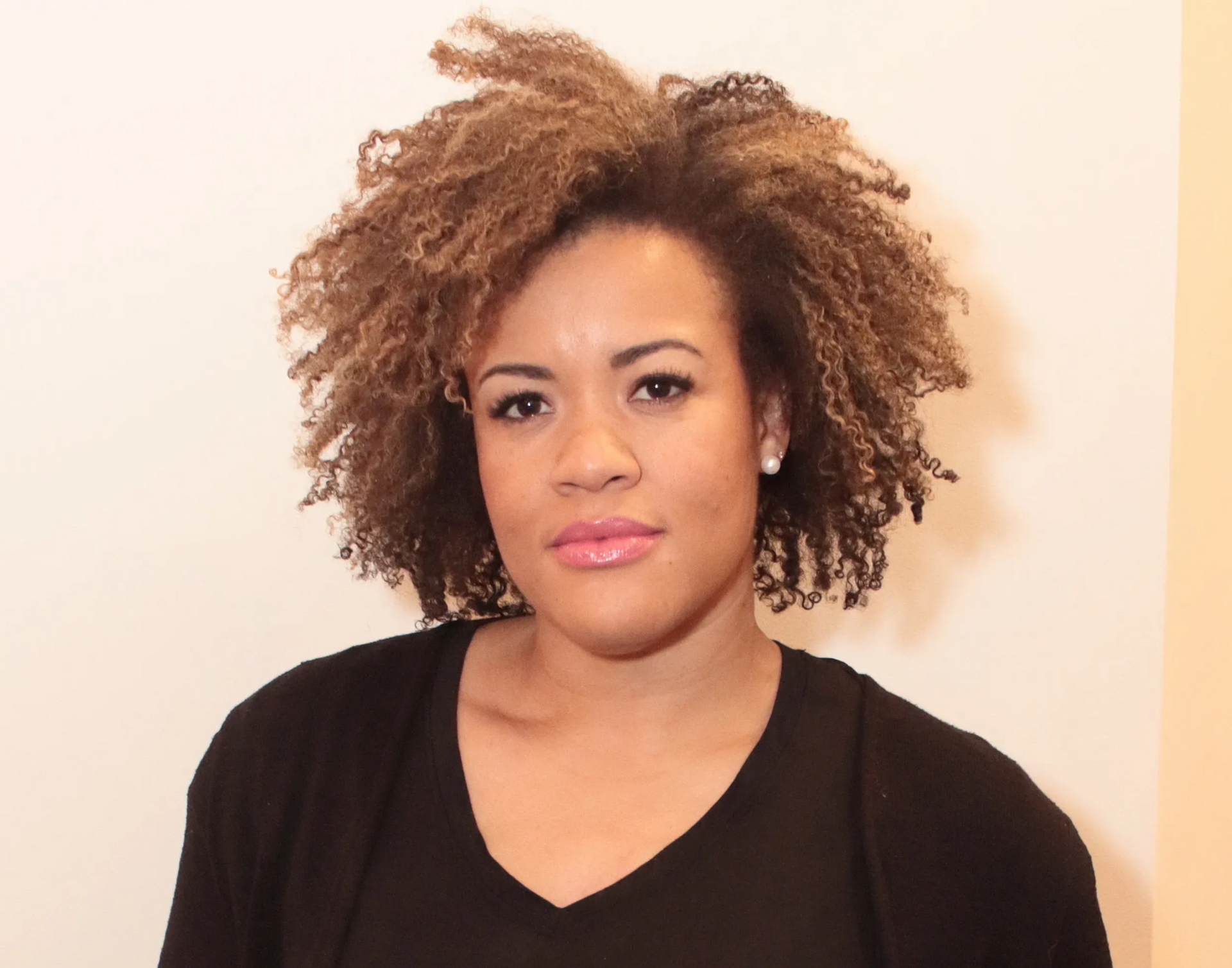
When Hakika Wise launched Kika Stretch Studios, she wasn’t just opening a business. She was creating a wellness movement built around freedom — freedom from tension, stress, and the physical wear-and-tear that weighs so many people down. Building a Stretch Revolution Kika Stretch Studios began as a single studio with a simple mission: help people feel better in their own bodies. As demand grew, Hakika realized something important — she couldn’t scale alone. “I knew that I couldn’t expand with the speed I wanted to on my own,” she explains. “Franchising allowed others to join me — and make a living doing something meaningful.” Franchising opened the door for entrepreneurs to step into a business model designed to be fulfilling, flexible, and community-centered. Turning Pain Into Purpose One of the defining moments in Hakika’s journey came when disaster struck: her first studio caught fire. Instead of closing, she moved operations into the basement of a church — and kept going. For nine months, her team showed up, served clients, and grew. The lesson? “I realized it wasn’t about me anymore. It was about showing up for the community that depended on us.” Persistence became part of the brand culture — and the studio came back stronger. Vision for Growth Today, Kika Stretch Studios continues to grow as a leader in assisted stretching — with a clear goal to scale significantly over the next several years, while staying grounded in quality care and client experience. Wisdom for Aspiring Entrepreneurs Hakika’s advice is simple, but powerful: Trust your potential. Tune out the naysayers. Surround yourself with people who believe in you. Never quit on your vision. “Surround yourself with people who believe in you — and never give up.” — Hakika Wise Creating Space for Black-Owned Franchises Hakika is passionate about seeing more Black entrepreneurs enter the franchise world — not just as operators, but as system owners and leaders. Education, she says, is key. Through her Instagram platform, @the_school_of_franchising, she teaches lessons, shares insights, and helps aspiring franchise owners believe in what’s possible. Says Hakika, “If I could build this, others can too.” And that’s the true heart of the Kika Stretch story — not just stretching bodies, but stretching possibility. Photo: Medium - Authority Magazine

By Kim Anthony
•
January 1, 2026
In communities across America, Black women are not just starting businesses — they are moving economies, shifting industries, and redefining what resilience looks like. According to Wells Fargo’s landmark study, The 2025 Impact of Women-Owned Businesses, Black/African American women entrepreneurs now operate nearly 2 million businesses, employing 647,000 people and generating $118.7 billion in revenue. These aren’t side hustles. They are engines — for families, neighborhoods, and the nation. And the report makes one truth undeniable. Closing the opportunity gap for Black women entrepreneurs isn’t charity. It’s economic strategy. Closing the Parity Gap Could Add Trillions Despite extraordinary gains, Black women still face higher barriers to capital, mentorship, networks, and procurement pipelines. Wells Fargo estimates that if Black/African American women entrepreneurs generated revenue on par with male-owned businesses, the nation could see up to $1.7 trillion added to the economy. The potential is not hypothetical — it is measurable. Policies that address wage inequities, expand access to capital, increase training opportunities, and open professional networks are essential. When these supports exist, the study shows, Black women entrepreneurs do far more than survive. They scale. They hire. They build wealth that ripples through generations. Capital is Expanding — and Awareness Must Catch Up Encouragingly, the financial landscape is widening. Wells Fargo highlights that more women are leveraging diverse financing pathways — particularly those designed with equity in mind. Among the most promising: Community Development Financial Institutions (CDFIs) Approval rates comparable to traditional lenders A 40% increase in certified organizations since 2018 Technical assistance + affordable capital bundled together The Wells Fargo “Open for Business” Initiative Flexible capital — grants, low-cost loans, forgiveness options — paired with capacity-building support helps women-owned businesses stabilize, grow, and create jobs, especially in underserved communities. SBA Lending Gains Women’s share of SBA loans has grown from 15.6% to 21.3% — a meaningful jump. Investment Crowdfunding A lifeline for founders outside major financial hubs, with 70% of capital coming from beyond the top 10 U.S. markets. State Small Business Credit Initiative (SSBCI) A $10 billion Treasury program unlocking private investment with a bold vision — including dedicated funding for equitable entrepreneurship through the Initiative for Inclusive Entrepreneurship. The opportunity — and the challenge — is awareness. Women must know which financial tools fit their stage and strategy, and ecosystems must ensure these resources remain accessible. Procurement: The Billion-Dollar Doorway When corporations and governments intentionally source from Black women-owned firms, the impact is exponential. Revenue grows. Jobs follow. Supply chains strengthen. Inclusive procurement isn’t just about fairness — it makes economies more competitive. Culture, Community, and Commerce Black women-owned businesses do something uniquely powerful: they build solutions from cultural insight. From beauty and wellness to technology, food, fashion, and media, these businesses grow from deep community understanding — and often expand into mainstream markets. They carry heritage. They create belonging. And increasingly, they shape national consumer trends. Building Ecosystems — Not Just Enterprises To truly unlock potential, the report calls for intentional infrastructure: Technology hubs and incubators Affordable marketplaces Co-working spaces designed for women founders Stronger public–private partnerships Investment in digital and physical infrastructure — including rural regions Fair, transparent lending practices Because entrepreneurship doesn’t flourish in isolation — it thrives in ecosystems. When Black women succeed in business, communities stabilize, families thrive, and the entire economy rises.
Branding & Marketing
By Kim Anthony
•
July 14, 2026
LinkedIn

By Kim Anthony
•
November 24, 2025
AStory of Representation, Innovation, and the Next Chapter of Urban Economic Power Magic Johnson Enterprises (MJE) has announced a powerful new chapter in its legacy of economic mobility and community-centered entrepreneurship: Alexia Grevious Henderson has been named President of Magic Johnson Enterprises, effective immediately. Her appointment signals more than a promotion — it represents a generational shift. It affirms the rise of a new class of visionary leaders who understand that wealth-building, community uplift, and strategic innovation must move together. A Leader Rooted in Excellence — and Built for Impact Since joining MJE in 2017 as Senior Manager of Marketing and Communications, Henderson has steadily advanced, proving herself to be a builder, a strategist, and a trusted architect of the MJE brand. Most recently, as Vice President of Strategic Partnerships and Marketing, she led: High-level corporate partnerships Fulfillment of national and global brand contracts Integrated marketing and communications efforts that expanded MJE’s influence and reach Under her leadership, MJE strengthened its position as one of the most respected vehicles for community-driven economic growth. Magic Johnson himself affirmed her brilliance: “Alexia is one of the brightest young minds in business today. Her leadership and creativity have elevated our brand, our partnerships, and our mission.” Her track record reflects what the Urban Enterprise Framework celebrates: excellence, service, access, and the advancement of historically underestimated communities. A Career Anchored in Purpose Before MJE, Henderson gained experience with the Washington Commanders (formerly the Redskins) and began her career with the NCAA in Indianapolis. Her work and reputation have earned her national recognition, including being named: Sports Business Journal’s “30 New Voices Under 30” Diverse Representation’s “Top Ten to Watch” Beyond corporate success, she serves on the board of A.Bevy, an arts and education nonprofit helping young adults find clarity in their passion, path, and purpose — embodying the Urban Enterprise principle that leadership is service. A Powerful Representation Moment for Urban America The Urban Enterprise Framework recognizes milestones like this as more than professional wins — they are community wins. Henderson’s presidency represents: A breakthrough for women in the C-suite leadership A breakthrough for Black leaders shaping national economic strategy A breakthrough for the next generation for urban innovators and changemakers Rooted in Community, Positioned for Global Impact A native of Fort Mill, South Carolina, Henderson is a graduate of Clemson University and holds an MBA from Pepperdine University. She now resides in Los Angeles with her husband, Aaron — the heart of a city where entrepreneurship, entertainment, and community-driven innovation intersect. About Magic Johnson Enterprises Founded by Earvin “Magic” Johnson, MJE is a diversified investment company committed to lifting communities through strategic partnerships across entertainment, sports, technology, real estate, and more. Its work aligns deeply with the Urban Enterprise Framework: building access, expanding ownership, and driving economic mobility in urban and underestimated communities.

By Kim Anthony
•
September 3, 2023
Entrepreneurship is a journey paved with challenges, risks, and opportunities. In the world of business, there are few voices as authoritative and inspiring as Daymond John's. As a successful entrepreneur, investor, and star of the hit TV show "Shark Tank," Daymond John has shared his wisdom and insights that have become valuable lessons for aspiring and seasoned entrepreneurs alike. Here are eight lessons we've learned from Daymond John about entrepreneurship: 1. Start Small, Think Big Daymond's journey began with a modest investment of $40, sewing homemade hats in his mother's living room. This humble start taught him the importance of taking the first step, even when resources are limited. He emphasizes the need to think big but start small, leveraging what you have to make gradual progress toward your goals. 2. Solve Real Problems One of Daymond's key principles is to identify problems that need solving. Successful businesses often emerge from addressing genuine pain points faced by consumers. By focusing on solutions that add value to people's lives, entrepreneurs can tap into sustainable demand and build a loyal customer base. 3. The Power of Branding Daymond is a firm believer in the power of branding. He turned FUBU (For Us, By Us) into a global fashion brand by connecting with the hip-hop community and championing inclusivity. His lesson? Build a brand that tells a story and resonates with your target audience. A strong brand creates emotional connections and sets you apart in a competitive market. 4. Embrace Failure as a Learning Opportunity Failure is often seen as a setback, but Daymond sees it as a stepping stone to success. He acknowledges his past failures and emphasizes that learning from mistakes is crucial for growth. Every failure provides valuable lessons that can guide future decisions and strategies. 5. Stay Hungry and Persistent Daymond's journey to success was far from smooth, marked by rejections and obstacles. His story teaches us the importance of perseverance and hunger. Entrepreneurship requires a relentless drive to overcome challenges, adapt to change, and keep pushing forward, even when the odds seem stacked against you. 6. Know Your Numbers Inside and Out Numbers are the language of business, and Daymond stresses the significance of understanding your financials. Whether it's profit margins, costs, or revenue projections, a deep understanding of your financial metrics empowers you to make informed decisions and negotiate effectively. 7. Build Relationships and Networks In the business world, relationships matter. Daymond's success was shaped by his ability to build strong connections with mentors, partners, and customers. He advises entrepreneurs to network, seek mentorship, and nurture relationships as they can provide valuable guidance, opportunities, and support. Daymond John's journey from a small start to a globally recognized entrepreneur is a testament to his expertise and insights into the world of business. These eight lessons serve as a roadmap for aspiring entrepreneurs, guiding them through the challenges and triumphs of building and growing a successful enterprise. By embracing these principles, entrepreneurs can navigate their own paths to success with confidence and determination.

By Kim Anthony
•
August 28, 2023
Hey, entrepreneurs! It's Daymond John from Shark Tank. Over the years, I've witnessed countless business pitches, and I've been at the forefront of the ever-evolving entrepreneurial landscape. As we dive into 2023, I've compiled a list of 12 promising business avenues for those ready to hustle, swim with the sharks, and make a splash in the market. Let's dive in: 1. Green Tech Solutions With growing global concerns about the environment, businesses that offer sustainable, green technology solutions are the future. Think renewable energy, eco-friendly gadgets, or even sustainable construction materials. 2. Telehealth Services The pandemic underscored the importance and convenience of telehealth. Expanding on this concept with niche specialties or holistic approaches can be lucrative. 2. Health & Wellness E-commerce The health and wellness industry has exploded in recent years. With a push towards healthier living, selling organic, non-GMO, or specialty wellness products online can tap into this lucrative market. 3. Virtual Reality Experiences Virtual Reality (VR) isn't the future—it's now. From VR travel experiences to educational platforms, there's a vast potential waiting to be explored. 4. Subscription Boxes Everyone loves a good subscription box. Whether it's gourmet foods, books, or even niche hobbies, curating and delivering tailored experiences right to someone's door is a trend that's here to stay. 5. Digital Fitness Platforms People are looking for ways to stay fit from the comfort of their homes. Starting a digital fitness platform—be it for yoga, strength training, or even dance—can capture this audience. 6. Personal Brand Consultants In the age of Instagram and TikTok, personal branding is king. Offer services to help individuals enhance their digital presence, be it through wardrobe, communication coaching, or digital strategies. 7. Customizable Direct-to-Consumer Goods People value exclusivity. From customizable skincare regimens to 3D printed jewelry, offering personalized products can set you apart in the crowded consumer market. 8. Remote Work Solutions The remote work trend isn't dwindling. Offering innovative solutions, be it ergonomic home office furniture, productivity software, or virtual team-building experiences can cater to this demographic. 9. Eldercare Services With an aging global population, eldercare services—especially those integrating tech solutions for health monitoring or social engagement—have a growing market. 10. Plant-Based Foods & Restaurants The plant-based movement is gaining steam. Starting a plant-based restaurant, or even a line of vegan and vegetarian products, could be a profitable venture. 11. DIY Craft Kits The DIY trend, combined with e-commerce, can be a hit. Offer kits for making homemade candles, soaps, or even pottery. Help people unlock their creativity. 12. Financial Literacy Platforms In a world of digital currencies and evolving economic landscapes, financial literacy is crucial. Offer courses, webinars, or consultations to equip people with the financial knowledge they need. Remember, while these ideas are promising, your success depends on your passion, perseverance, and adaptability. Do your research, understand your audience, and be ready to pivot when necessary. As I always say, "Don't wait for the 'perfect' time, get started now and make the time perfect." Dive deep, take risks, and maybe I'll see you in the Shark Tank soon! All the best!
By Kim Anthony
•
August 28, 2023
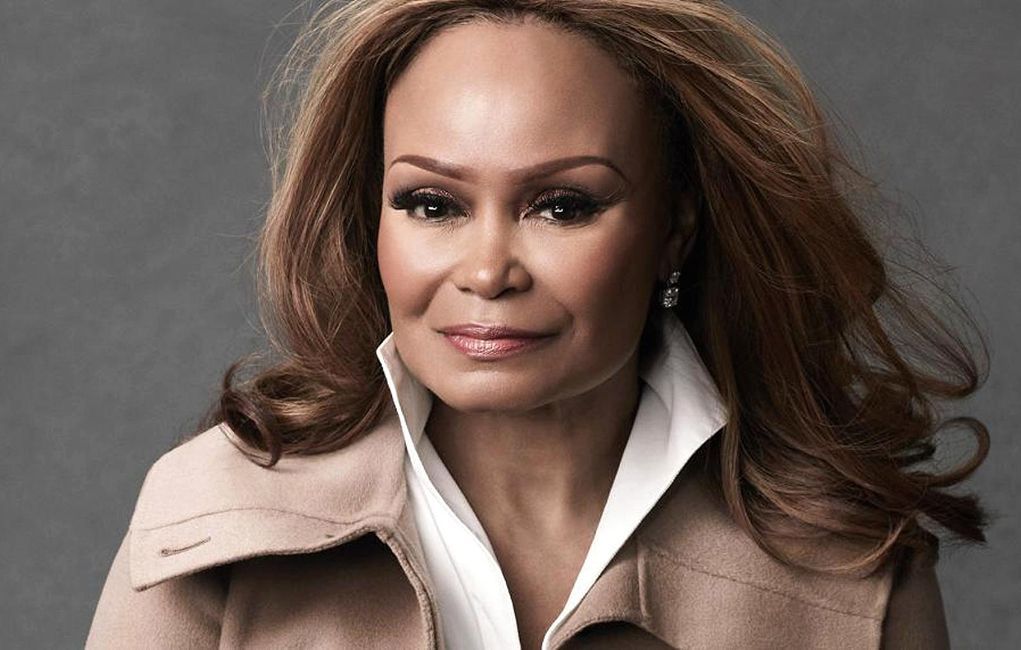
Success in both business and life is a multifaceted journey that requires determination, strategic thinking, and a deep understanding of oneself and the world around them. Janice Bryant Howroyd, a visionary entrepreneur and founder of The ActOne Group, has not only achieved extraordinary success in the business realm but also offers invaluable wisdom that extends beyond boardrooms. Here are eight essential lessons we've learned from Janice Bryant Howroyd about achieving success in both business and life: 1. Vision Fuels Achievement Janice Bryant Howroyd's journey began with a clear vision of her goals. She teaches us that a well-defined vision can serve as a guiding light, providing direction and purpose. Whether in business or personal aspirations, having a strong vision helps us set meaningful goals and work toward turning dreams into reality. 2. Inclusion Drives Innovation Janice is a fervent advocate for diversity and inclusion. She emphasizes that diverse teams bring a wealth of perspectives to the table, fostering creativity and innovation. In both business and life, embracing and celebrating differences enriches our experiences and leads to more well-rounded solutions. 3. Excellence is a Habit For Janice Bryant Howroyd, excellence isn't an occasional achievement but a consistent habit. She reminds us that success is built on a foundation of high standards and unwavering commitment to quality. By cultivating habits of excellence, we ensure that our efforts yield consistently outstanding results. 4. Adaptability Breeds Resilience Life and business are ever-changing landscapes, and Janice understands the value of adaptability. Learning to embrace change and adjust strategies in response to new challenges is crucial for sustained success. Adaptable individuals and businesses have the resilience needed to navigate uncertainty and come out stronger on the other side. 5. Mentorship Elevates Growth Janice attributes much of her success to the guidance of mentors. She teaches us that seeking mentorship is a sign of wisdom, not weakness. Learning from those who have walked the path before us accelerates personal and professional growth. Mentorship offers insights, guidance, and a valuable support network. 6. Integrity Is a Cornerstone Janice's success is rooted in unwavering integrity and ethical behavior. She reminds us that upholding honesty and integrity in all endeavors is non-negotiable. In business and beyond, integrity is the foundation of trust, fostering strong relationships and contributing to long-term success. 7. Networks Power Progress Networking is a skill that Janice excels at. She emphasizes the importance of building meaningful connections with others. Networking opens doors to collaborative opportunities, partnerships, and support networks that can fuel personal and professional growth. 8. Resilience Prevails Through Challenges Janice's journey was marked by challenges, but her resilience carried her through. She teaches us that setbacks are stepping stones, not barriers. In both business and life, setbacks are opportunities for learning, growth, and demonstrating the strength to rise above adversity. Janice Bryant Howroyd's wisdom extends far beyond business strategies; it's a roadmap for navigating the complexities of life with grace, integrity, and resilience. Her lessons remind us that success is a holistic endeavor that encompasses personal growth, meaningful relationships, and contributing positively to the world. By internalizing these lessons, we can forge our paths to success, not only in business but in all aspects of our lives.
Breaking News
By Kim Anthony
•
July 14, 2026
LinkedIn
By Urban Business Journal · Inland Empire
•
July 10, 2026
(Photo: Adobe Stock
By Kim Anthony
•
July 10, 2026
(Illustration: Courtesy of National CORE)
By Urban Business Journal - Inland Empire
•
July 10, 2026
(Photo: National CORE)
By Kim Anthony
•
April 3, 2026
(Photo: National CORE)
By Kim Anthony
•
January 1, 2026
For years, entrepreneurship praised the founder who could reinvent everything at a moment’s notice. The message was clear: stay flexible, pivot fast, change direction as often as necessary, and somehow the breakthrough would appear. Many people built survival on that skill. They learned to adjust when doors closed, when opportunities weren’t equal, when the plan didn’t work the first time. Reinvention became a way of staying afloat. But as we move through 2026, a different truth is beginning to emerge. The entrepreneurs gaining real traction are no longer the ones constantly starting over. They are the ones who stop scattering their energy and begin refining what already works. Instead of creating new lanes every few months, they choose one, strengthen it, deepen it, and let it mature. They discover that progress doesn’t always mean doing something new — sometimes it means doing something familiar with greater clarity, confidence, and excellence. Pivoting still has its place. Sometimes strategy really must shift. Conditions change, industries evolve, technology resets everything, and adaptation remains necessary. But pivoting as a lifestyle creates instability. When everything is always new, nothing ever has time to root. Every reinvention requires new branding, new storytelling, new systems, new audiences, and new emotional effort. Living in constant restart mode drains momentum. Eventually, the business feels like a collection of beginnings rather than a sustained journey toward mastery. In 2026, wisdom looks different than it once did. It is less about speed and more about steadiness. Instead of running toward every opportunity, focused entrepreneurs slow down long enough to ask whether the opportunity actually belongs to them. They recognize that not every trend deserves their attention. AI tools rise. Digital platforms expand. New marketing tactics promise instant success. And yet, the founders who are growing most meaningfully are not the ones chasing everything — they are the ones staying grounded in the work that truly aligns. Depth has become more powerful than distraction. There is something magnetic about a business that knows who it is and remains faithful to its identity. When a founder shows up consistently in the same lane, people begin to trust them. Over time, reputation forms. Word-of-mouth strengthens. Clients return because they recognize quality and commitment. What once felt narrow reveals itself as strength. The more deeply you plant, the wider your roots spread. This is why focus is not restriction — it is liberation. When you choose direction, your mind quiets. Decisions stop feeling chaotic. Messaging becomes clearer. Operations can finally stabilize. Instead of constantly rewriting your story, you allow your story to mature. Your calendar becomes intentional rather than frantic. Your identity as a business becomes recognizable, not blurry. Focus removes clutter and gives your effort a home. For many entrepreneurs, especially those who have had to operate in survival mode, narrowing feels risky. There is an instinct that says, “If I don’t do everything, I might miss something.” That instinct came from real experience. But 2026 invites a different kind of trust — trust that your work deserves depth, trust that commitment creates growth, and trust that excellence requires time. Mastery is not about doing more; it is about doing what matters with increasing skill and integrity. The future will not reward endless dabbling. It will reward builders — people who stay long enough to refine, improve, and evolve. Focus gives your business the stability needed to build legacy instead of just movement. It turns scattered effort into meaningful direction. It allows clients to recognize your voice, your values, and your contribution. And perhaps most importantly, focus allows you to breathe. When you stop chasing everything, you finally have the space to become who you are meant to be in business — grounded, confident, steady, and ready for the kind of growth that lasts. Because in 2026 and beyond, focus is not limitation. Focus is liberation.
By Kim Anthony
•
January 1, 2026
For years, entrepreneurship was framed almost entirely through the lens of tactics. If you had the right software, the right plan, the right strategy, the right advisor, the right funnel — you were told success would follow. The story was simple: outwork everyone, optimize everything, and eventually life would reward your persistence. But as we move through 2026, that narrative is showing cracks. Many founders did everything “right” and still found themselves exhausted, discouraged, and unsure how to keep going. That shift forced a deeper question: what if the missing ingredient isn’t another tool or tactic — but the strength to remain steady when everything feels uncertain? Because the reality is this: the market is unpredictable. Technology moves so quickly that what felt cutting-edge two years ago can feel outdated now. Customers change, industries shift, opportunities arrive and disappear, and sometimes circumstances outside your control apply pressure you didn’t ask for — economy, health, family obligations, or structural barriers others never have to think about. When that pressure hits, strategies alone cannot hold you. Something internal must steady you — something rooted not in hustle, but in resilience. In 2026, emotional steadiness is no longer being viewed as a bonus trait for entrepreneurs. It is becoming part of the operational blueprint. If cash flow dips, if a partnership fails, if a launch falls flat, or if life disrupts the plan, resilience determines whether you collapse or recalibrate. It is the difference between seeing a setback as proof you aren’t capable — versus seeing it as data, feedback, and an invitation to adapt. Resilience, at its core, is not pretending nothing hurts. It is learning to be honest about the disappointment without being consumed by it. It is acknowledging pressure and choosing presence anyway. It is understanding that emotional regulation — the ability to breathe, reflect, and respond instead of react — is not weakness. It is leadership. Entrepreneurs especially need this kind of strength when they are carrying more than a personal dream. Some are building because families are counting on them. Communities are watching. Younger generations are looking for proof that new paths are possible. When the mission feels deeply personal, the weight grows heavier — and the temptation to push beyond healthy limits becomes stronger. Without resilience, the mission becomes a burden. With resilience, the mission becomes fuel. What’s changing in 2026 is the relationship founders have with themselves. Instead of glorifying burnout, many are finally allowing rest to count as strategy. They are recognizing that crossing the line into chronic exhaustion leads to poor decision-making, short tempers, financial mistakes, strained relationships, and lost passion. A burned-out leader cannot steward vision well. They react instead of discern. They chase survival instead of guiding from purpose. Resilient entrepreneurs are choosing a different approach. They are building rhythms of care into their routines — quiet time, movement, therapy, prayer, journaling, coaching, or anything that grounds them. They are surrounding themselves with people they don’t have to impress. They are learning that asking for help does not shrink authority — it protects it. They are redefining strength from “I can handle everything” to “I don’t have to carry this alone.” And slowly, something beautiful happens. The fear-driven tension softens. Decisions become clearer. Creativity returns. Perspective widens. Instead of clinging to every opportunity, founders begin choosing better ones. Instead of operating from scarcity, they begin to operate from stability. That shift changes everything — revenue, relationships, team culture, even health. Resilience also reframes failure. In older entrepreneurial culture, failure carried shame. Today, resilient leaders interpret failure as refinement. They ask different questions: What is this teaching me? What isn’t aligned? What can be improved? Where am I called to grow? They understand that progress is not linear, and endurance often matters more than perfection. At its deepest level, resilience is about protecting the person who is doing the building. Business can be rebuilt. Programs can be redesigned. Offers can evolve. But if the founder collapses under pressure, the entire vision collapses with them. Emotional resilience ensures the vision has a future — not because things never go wrong, but because you’ve learned how to stay grounded when they do. That’s why, in 2026, resilience is being recognized not as soft inspiration, but as structural support. Just as businesses invest in insurance, financial systems, and technology infrastructure, wise founders are now investing in the stability of their own inner lives. They are choosing therapy over silent suffering. Boundaries over burnout. Rest over guilt. Community over isolation. Reflection over constant reaction. The truth is simple and sobering: some of the most brilliant ideas never failed because they lacked potential. They faded because the person carrying them ran out of emotional strength. Resilience gives brilliance room to breathe. It buys time. It creates space for breakthroughs. It keeps you standing long enough to see opportunity again. This is the mindset shift of 2026: success is not just measured by revenue, expansion, or accolades. It is also measured by whether you remain healthy, mentally steady, spiritually anchored, and emotionally available to your life beyond business. The goal isn’t simply to build something impressive — it is to still be present, alive, and whole enough to enjoy it. And that, more than any algorithm or strategy, determines lasting impact.
By Kim Anthony
•
January 1, 2026
Branding in 2026 is no longer just about design or clever taglines. It has evolved into identity, credibility, relationship, and opportunity. For many founders who have had to push harder to be recognized and taken seriously, branding has become a true strategic advantage. Customers are paying attention in new ways — not only to what businesses sell, but to who leads them, what they believe, and how consistently they show up. They are craving authenticity, alignment, and meaning. 1. Founder visibility moves center stage. More than ever, people want to see the human being behind the brand. They want to understand the “why,” the values, and the journey. Entrepreneurs who share their stories, speak publicly, write, teach, and invite others into behind-the-scenes moments develop deeper trust. In a skeptical marketplace, a real, relatable presence becomes one of the strongest branding tools available. 2. Small communities become more powerful than big audiences. Instead of chasing viral moments or massive follower counts, more founders are building intentional spaces — memberships, masterminds, close-knit email lists, and digital communities where conversations feel personal. These communities foster resilience, referrals, support systems, and shared opportunity, creating stronger brands than social feeds alone ever could. 3. Cultural storytelling becomes strategic advantage. Brands that are rooted in lived experience, heritage, neighborhood, and authentic personal history stand out. Whether through food, fashion, wellness, education, or media, stories anchored in truth create connection. Real stories are no longer optional — they are becoming the heartbeat of strong brands. 4. AI becomes a creative partner instead of a replacement. Technology is accelerating branding, especially through AI tools that help with brainstorming, research, writing, and design. But the brands that rise to the top pair technology with humanity — adding nuance, emotion, and voice. Leaders who use AI thoughtfully gain efficiency without losing authenticity. 5. Trust and credibility become the new currency. With so much noise online, people naturally ask why they should believe what they see. Certifications, media features, speaking appearances, testimonials, awards, published content, and strong partnerships all serve as signals that a brand is real, reliable, and capable. These credibility markers open doors that talent alone cannot. 6. Alignment matters more than aesthetics. A beautiful logo or sleek website cannot compensate for misalignment. When messaging, visuals, pricing, customer experience, and leadership behavior match, trust deepens. When they don’t, audiences feel the disconnect and quietly disengage. Alignment is becoming one of the quiet superpowers of strong brands. 7. Thought leadership becomes a growth engine. Consumers no longer want only products — they want perspective. Entrepreneurs who share insights, create frameworks, challenge assumptions, and lead meaningful conversations become recognized as authorities. Their businesses grow because their thinking helps people make sense of their world. 8. Collaboration replaces competition as the default strategy. More entrepreneurs are choosing to partner instead of compete. Co-branded events, shared offers, podcast swaps, cross-promotions, and ecosystem partnerships allow brands to multiply visibility and impact. Collaboration signals confidence and creates opportunities none of the partners could access alone. 9. Purpose-driven branding rises to the forefront. Customers increasingly want to know what a business stands for — who it serves, why it matters, and how it contributes to something larger than profit. When purpose is authentic and clearly communicated, it attracts loyalty and deeper engagement. Purpose provides clarity, and clarity attracts the right people. 10. The health of the leader shapes the health of the brand. There is growing recognition that burnout shows up everywhere — in messaging, marketing, customer experiences, and decision-making. Rest, boundaries, mentorship, team support, and sustainable systems are now part of serious branding conversations. A grounded leader creates a grounded brand. In 2026, branding is not about shrinking to fit someone else’s expectations. It is about honoring your story, your excellence, and your voice — and allowing your business to reflect that truth. When entrepreneurs build brands with clarity, courage, and alignment, they don’t just compete. They create legacies.
By Kim Anthony
•
January 1, 2026
When Hakika Wise launched Kika Stretch Studios, she wasn’t just opening a business. She was creating a wellness movement built around freedom — freedom from tension, stress, and the physical wear-and-tear that weighs so many people down. Building a Stretch Revolution Kika Stretch Studios began as a single studio with a simple mission: help people feel better in their own bodies. As demand grew, Hakika realized something important — she couldn’t scale alone. “I knew that I couldn’t expand with the speed I wanted to on my own,” she explains. “Franchising allowed others to join me — and make a living doing something meaningful.” Franchising opened the door for entrepreneurs to step into a business model designed to be fulfilling, flexible, and community-centered. Turning Pain Into Purpose One of the defining moments in Hakika’s journey came when disaster struck: her first studio caught fire. Instead of closing, she moved operations into the basement of a church — and kept going. For nine months, her team showed up, served clients, and grew. The lesson? “I realized it wasn’t about me anymore. It was about showing up for the community that depended on us.” Persistence became part of the brand culture — and the studio came back stronger. Vision for Growth Today, Kika Stretch Studios continues to grow as a leader in assisted stretching — with a clear goal to scale significantly over the next several years, while staying grounded in quality care and client experience. Wisdom for Aspiring Entrepreneurs Hakika’s advice is simple, but powerful: Trust your potential. Tune out the naysayers. Surround yourself with people who believe in you. Never quit on your vision. “Surround yourself with people who believe in you — and never give up.” — Hakika Wise Creating Space for Black-Owned Franchises Hakika is passionate about seeing more Black entrepreneurs enter the franchise world — not just as operators, but as system owners and leaders. Education, she says, is key. Through her Instagram platform, @the_school_of_franchising, she teaches lessons, shares insights, and helps aspiring franchise owners believe in what’s possible. Says Hakika, “If I could build this, others can too.” And that’s the true heart of the Kika Stretch story — not just stretching bodies, but stretching possibility. Photo: Medium - Authority Magazine
By Kim Anthony
•
January 1, 2026
In communities across America, Black women are not just starting businesses — they are moving economies, shifting industries, and redefining what resilience looks like. According to Wells Fargo’s landmark study, The 2025 Impact of Women-Owned Businesses, Black/African American women entrepreneurs now operate nearly 2 million businesses, employing 647,000 people and generating $118.7 billion in revenue. These aren’t side hustles. They are engines — for families, neighborhoods, and the nation. And the report makes one truth undeniable. Closing the opportunity gap for Black women entrepreneurs isn’t charity. It’s economic strategy. Closing the Parity Gap Could Add Trillions Despite extraordinary gains, Black women still face higher barriers to capital, mentorship, networks, and procurement pipelines. Wells Fargo estimates that if Black/African American women entrepreneurs generated revenue on par with male-owned businesses, the nation could see up to $1.7 trillion added to the economy. The potential is not hypothetical — it is measurable. Policies that address wage inequities, expand access to capital, increase training opportunities, and open professional networks are essential. When these supports exist, the study shows, Black women entrepreneurs do far more than survive. They scale. They hire. They build wealth that ripples through generations. Capital is Expanding — and Awareness Must Catch Up Encouragingly, the financial landscape is widening. Wells Fargo highlights that more women are leveraging diverse financing pathways — particularly those designed with equity in mind. Among the most promising: Community Development Financial Institutions (CDFIs) Approval rates comparable to traditional lenders A 40% increase in certified organizations since 2018 Technical assistance + affordable capital bundled together The Wells Fargo “Open for Business” Initiative Flexible capital — grants, low-cost loans, forgiveness options — paired with capacity-building support helps women-owned businesses stabilize, grow, and create jobs, especially in underserved communities. SBA Lending Gains Women’s share of SBA loans has grown from 15.6% to 21.3% — a meaningful jump. Investment Crowdfunding A lifeline for founders outside major financial hubs, with 70% of capital coming from beyond the top 10 U.S. markets. State Small Business Credit Initiative (SSBCI) A $10 billion Treasury program unlocking private investment with a bold vision — including dedicated funding for equitable entrepreneurship through the Initiative for Inclusive Entrepreneurship. The opportunity — and the challenge — is awareness. Women must know which financial tools fit their stage and strategy, and ecosystems must ensure these resources remain accessible. Procurement: The Billion-Dollar Doorway When corporations and governments intentionally source from Black women-owned firms, the impact is exponential. Revenue grows. Jobs follow. Supply chains strengthen. Inclusive procurement isn’t just about fairness — it makes economies more competitive. Culture, Community, and Commerce Black women-owned businesses do something uniquely powerful: they build solutions from cultural insight. From beauty and wellness to technology, food, fashion, and media, these businesses grow from deep community understanding — and often expand into mainstream markets. They carry heritage. They create belonging. And increasingly, they shape national consumer trends. Building Ecosystems — Not Just Enterprises To truly unlock potential, the report calls for intentional infrastructure: Technology hubs and incubators Affordable marketplaces Co-working spaces designed for women founders Stronger public–private partnerships Investment in digital and physical infrastructure — including rural regions Fair, transparent lending practices Because entrepreneurship doesn’t flourish in isolation — it thrives in ecosystems. When Black women succeed in business, communities stabilize, families thrive, and the entire economy rises.
