
lifestyle

By Kim Anthony
•
September 1, 2023
For many people, travel can be an important part of personal development. When we stay in our own comfort zone, in contexts we’ve always known, it’s easy to not change much on the inside.

By Kim Anthony
•
October 14, 2022
Carmen Dianne, an entertainment industry makeup artist, found herself isolated in 2020, with time to think. COVID-19 was highlighting the inequalities in economic security around the country, while protests against the brutality and murder of Black people by the police were taking place. Dianne began to consider what she could do to contribute to her community. At the same time, she learned, her friend and clothing designer Kara Still was also looking to make a difference. Amidst the Black Lives Matter protests, there was a call to support local Black businesses, but, with L.A.'s sometimes-isolating geography, customers don’t always know where to find them. Dianne and Stilles began to consider creating an opportunity to share their favorite Black businesses with people that might otherwise be outside their reach. Their solution was to create Prosperity Market , a mobile marketplace of Black chefs, farmers, and artisans, that pops up all over Los Angeles. Prosperity market is a weekend-long event. Friday is the virtual market where you can fill your online cart with everything from produce to pre-prepared vegan meals to freshly-made juices. Saturday is the in-person market where you can meet those makers or pick up the goods you bought online with no contact. On Sunday, Dianne and Still give back, distributing produce boxes and meals in South Los Angeles. According to Community Health Council Inc, South Los Angeles is a community of 1.3 million people, serviced by just 60 grocery stores–one grocery store for every 22,156 people. Prosperity Market has partnered with organizations to bring fresh produce to this underserved area. “We work with organizations that want to feed the community,” says Still. Most of the boxes of the organic produce come from Summaeverythang Community Center, a project started by artist Lauren Halsey as a way to feed South Los Angeles and Watts. The Social Justice Learning Institute also contributes food and resources. “California is the largest producing agricultural state in the country [yet] L.A. specifically has the highest number of food-insecure people. That’s crazy to me,” remarked Dianne. Another important aspect of Prosperity Market is their support for black farmers, especially urban farmers. They have partnered with Farmer Ken, who has turned a backyard hillside in East L.A. into a food forest, IGH Gardens in Bell, Crop Swap which asks gardeners to share the extra veggies they’ve produced, and others. “Urban farmers, even if they make a living doing it, even if they’ve been doing it for years and years, don’t qualify as farmers. Which makes it a lot harder for them to get funding. Even if they are feeding hundreds or thousands of people off of the things they grow. But because their land isn’t a certain size or they’re not in a certain area they can’t be categorized as farmers and that creates a lack of access to resources that could make a difference” says Still. And when it comes to selling their products it is another battle. “It’s impossible for urban farmers to become vendors at traditional farmers markets where you may need organic certification. It takes seven years to get it and it's very expensive. It’s not an easy process," she says. "So people grow the most beautiful food, all organic, no pesticides, but they have to jump through so many hoops to be certified." Dianne and Still are helping to create a space for urban farmers to sell the produce they take so much time and care to grow–and they have plans to grow Prosperity Market, too. The pair are working on a 48-foot mobile trailer, part of which will be a rotating food truck and the rest a grocery store on wheels, stocked with produce from Black farmers. The trailer will move through Los Angeles neighborhoods sharing organic produce, cooking classes, and nutritional education. They’d like their model to be replicated in other cities and states, sharing the support they’ve gotten from the Compton Community Garden and Dr. Gail Myers, the founder of Freedom Farmers Market in Oakland, with others. “Stimulating the local economy and the local food system really has a ripple effect to the impact that local government and all of the things that come from that,” says Still. The health and well-being of a community starts with food sovereignty and local support.

By Kim Anthony
•
October 7, 2022
By Carl Pullein We all have too much to do and only 24 hours to do it. We cannot change the amount of available time; That’s fixed. We need to look at the other side of the equation — the stuff we have to do. It’s there where we do have some control. One way we have tried to solve this problem is to use task managers. It makes sense — collect all the things you have to do in a list, and then start at the top and work your way down until you finish everything. Sounds great in theory, but in practice, this leads to overwhelm. It does not solve the underlying problem — too much to do, too little time to do it. Perhaps, a solution. Let’s step back. If we accept we cannot do everything, and we cannot change the amount of time we have, what can we do to resolve this problem? The place to start is to know what is important . How do we do that? Here there is a hierarchy of things that are usually missed, yet, the most productive (and, by consequence, successful) people use this hierarchy every day to ensure the right things are being done. The less important are relegated to the “if I have time” category. What is the hierarchy? The hierarchy begins with your long-term vision of the life you want to live. This does not need to be a perfect, crystal clear vision, just some idea of how you would like to live your life. This will involve your career, your family life, the places you wish to visit, where you hope to live, and the hobbies you would like to do. From this vision, you can extract insights into the person you want to be — or need to be — to accomplish the things you have visualised. For example, if you visualise living in a home in the countryside, where you can go hiking in the hills every day, spend a few hours restoring an old Land Rover, and read the books you enjoy reading, you have something you can work with. To be able to do this, there will be several things you need to do now. The first is to take care of your finances. You won’t live in a comfortable home in the countryside if you spend your income frivolously. You have to be saving a sufficient amount each month. Equally, you won’t be hiking anywhere if you neglect your health. Poor diets and a lack of exercise are among the most significant contributors to serious health issues later in life. You may also decide to go to night school to learn car maintenance. Learning how to weld, rebuild engines and restore drive trains. The vision of the life you want to live gives you the motivation and direction to develop your skills, abilities, and education, so you can live the life you intend to live. Areas of Focus Next comes our areas of focus — the important things to us : Family, friends, our career, finances, health and fitness, personal development, and our mission in life. If any of these areas become neglected, you will become anxious and stressed. When you haven’t considered these critical areas of your life, you will react to events around you. It leaves you feeling unfulfilled and out of balance with the person you want to be. When you take time to develop these areas, understanding what each one means to you and knowing what you need to do to keep things in balance, you find you have much more control over what happens to you. The activities (tasks) that come from these areas are not time-consuming. For instance, in my family and relationships area, I have a task to call my parents every week and have an evening out with my friends and or family. Both are enjoyable activities that involve a few hours each week. I have thirty minutes of learning each evening set aside for my self-development area. That could be reading a book, an article, or taking a course. We are not talking hours each day spent working on your areas of focus. These are just a few simple habits that keep you in balance. Having a vision of the life you want to live and knowing what your areas of focus mean to you ensures your daily actions align with your ideal self. It’s there that you develop a sense of achievement and happiness in what you are doing because you are aligned with the vision of how you would like to be. Your Core Work Your core work is the work you are employed to do . Not the work you volunteered to do. What often happens in our professional lives is we end up “volunteering’ for work we were not originally employed to do. For instance, if you are employed as a salesperson, your job is to sell your company’s products. It is not to sit in meetings with colleagues discussing the end-of-year party or solving other people’s problems. One of the best things you can do is list all the activities that directly contribute to the results you are evaluated on. Sales is typically an easy one to do, as you will be evaluated on your sales performance and the relationship with your customers. So what can you do each day that will directly impact these results? For me, writing these blog posts, recording my YouTube videos and podcast directly impacts the people I want to help. This means I ensure I have sufficient time to do my writing and recording when I plan my week. Only after I have scheduled my core activities in my calendar will I know how much time I have available for meetings and other commitments. Everything else. Once you have the activities that will move you towards your vision, keep your areas of focus in balance and ensure the work you are employed to do gets done, you will bring in everything else. A lot of what drops into the “everything else” category is loud. It’s screaming, and it is demanding attention NOW. It’s challenging to ignore, so what do we do? We just do the task, hoping that things will quieten down once we do it and get it out of the way. But that doesn’t happen, does it? Why? Because there will always be something screaming and shouting for your attention, and you cannot do them all. If you do, you neglect everything else that IS important — your long-term vision, your areas of focus and your core work. Now, I can’t prescribe a magic pill to solve this for you. The only way to do this is to accept you will have to become uncomfortable. You will have to say: “No. I’m sorry, I cannot do that”. If you are not prepared to become uncomfortable here, you will not grow. All growth, whether developing your sales, public speaking or parenting skills, will be uncomfortable initially. That’s the beauty of growth. You never grow by staying inside your comfort zone. You grow by pushing and expanding your comfort zone. The great thing about comfort zones is they are not fixed. You can expand them at any time. You just have to be uncomfortable for a week or two as you push the barriers outward. For example, learning to say “no” will be uncomfortable initially, but you soon become comfortable with it with practice. My advice is to stop trying to bend the laws of time — you cannot win that one. Instead, allow yourself some time to visualise the life you want to live, establish what your areas of focus are and get clear about your core work. Then, prioritise the tasks that drive these things forward, and you will find you are a lot less stressed, feel more in balance with your ideal self and get an incredible amount of worthwhile things done. Thank you for reading Carl's stories! 😊 If you would like to receive all the productivity and time management content that Carl creates each week in one convenient email, you can subscribe here to his weekly newsletter here You can also learn more about what Carl does here on his website here Finally, don’t forget to say hello on Twitter , YouTube or Facebook

By Kim Anthony
•
October 5, 2022
Intermittent fasting (IF) is more than just a buzzword in the health and wellness community. This eating pattern, which alternates between periods of eating and fasting, has been practiced for centuries across different cultures. Modern research and countless personal anecdotes now validate its potential benefits for health, longevity, and well-being. Here are 10 reasons why you might consider incorporating intermittent fasting into your lifestyle: Weight Loss and Fat Reduction IF can assist in weight loss and the reduction of body fat. By limiting the eating window, it naturally reduces calorie intake, and also, fasting periods can increase metabolic rate, leading to more calories burned throughout the day. Insulin Sensitivity IF can help in reducing blood sugar levels and improving insulin sensitivity. Improved insulin sensitivity can reduce the risk of type 2 diabetes, a growing concern in many countries. Heart Health Intermittent fasting can lead to beneficial effects on various heart health markers. These include reductions in LDL cholesterol, blood triglycerides, blood pressure, and inflammatory markers—all risk factors for heart diseases. Cellular Repair and Autophagy During fasting, the body's cells initiate a waste-removal process called autophagy. This involves the cells breaking down and metabolizing dysfunctional proteins that build up inside cells over time. Autophagy can protect against several diseases, including cancer and Alzheimer's disease. Brain Health Fasting can enhance brain function and offer neuroprotective benefits. It can increase the production of brain-derived neurotrophic factor (BDNF), a protein that supports cognitive functions and reduces the risk of neurodegenerative diseases. Longevity Several studies in animals have shown that intermittent fasting can extend lifespan. While more research is needed in humans, there's reason to believe that fasting can help us live longer and healthier lives. Hormone Regulation Fasting can elevate the secretion of growth hormone, which plays a role in muscle growth, fat metabolism, and health benefits. It also aids in regulating key hormones related to hunger and satiety. Simplicity and Sustainability One unexpected benefit of intermittent fasting is the simplicity it brings to daily routines. With fewer meals to prepare and think about, it can simplify daily life and potentially reduce food-related stress. Digestive Health Giving the digestive system a break during fasting can help alleviate issues like bloating, gas, and irregular bowel movements. Over time, this can promote better overall digestive health. Enhanced Physical Performance Some athletes and fitness enthusiasts use IF to maintain lean body mass and improve performance. Fasting can increase the secretion of norepinephrine and adrenaline, which can enhance energy and stamina. Intermittent fasting offers a myriad of health benefits, from cellular repair to improved heart health. As with any dietary approach, it's essential to find a method that suits individual needs and consult with a healthcare professional. Remember, IF isn't just about skipping meals; it's about tapping into an age-old practice to harness modern-day health benefits.
By Kim Anthony
•
August 26, 2022
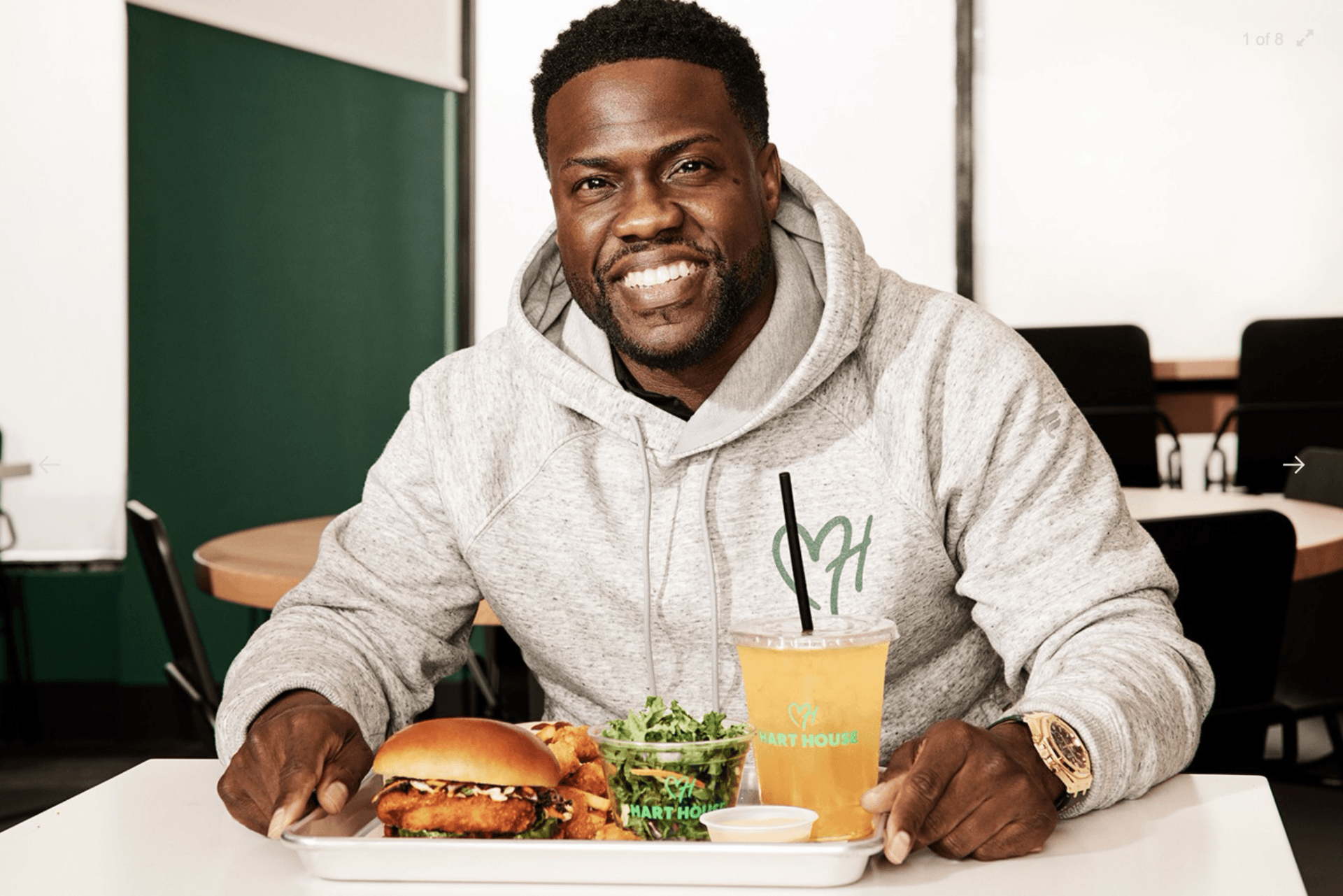
Hart House , the plant-based quick service restaurant that is dedicated to the overall well-being of people and our planet, announced the grand opening of its first location today in the Westchester neighborhood of Los Angeles. Hart House is founded by American comedian, actor and entrepreneur, Kevin Hart, while being led by CEO, Andy Hooper and Head of Culinary Innovation, Chef Mike Salem. On a mission to be "plant-based for the people," Hart House is not just creating "fast food" but food that will take us all faster into the future. "We've curated delicious, craveable food you know and love like burgers, shakes, nuggets and more," said Hart House CEO, Andy Hooper. "Our menu is the future of the industry; Hart House is revolutionizing quick service restaurants now and delivering a ground-breaking culinary experience that shatters the expectations of what plant-based food can be." Kevin and the Hart House team are committed to disrupting the quick-service industry with a plant-based alternative that is affordable and accessible to all. The delicious menu appeals to everyone, by featuring plant-based burg'rs, chick'n sandwiches, salads, nuggets, fries, tots and milkshakes without sacrificing craveability for conviction. All ingredients are 100% plant-based and are free of cholesterol, antibiotics, hormones, artificial colors, preservatives, high-fructose corn syrup, or trans fats. "As someone who has been preaching 'Health is Wealth', building Hart House felt like the natural evolution of my flexitarian lifestyle and my business ecosystem.'' said Kevin Hart. "I'm beyond proud of this industry-changing restaurant and the amazing team behind it working tirelessly to create delicious, sustainable food that delivers "Can't-Believe-It" flavor in every bite." In addition to providing a healthier alternative to its guests, Hart House leads with care for its employees, offering living wages and best-in-class benefits. They are committed to bringing positive change to the lives of those who serve and those who they serve. The new concept is also passionate about helping the larger community and will be donating 10% of opening day proceeds to Inner City Arts . Hart House's Westchester location boasts bright colors and a fresh design with the help of Kai Williamson's team made up entirely of women of color whose work includes The Gathering Spot, Sovereign Brands, and Blk Swan. The back wall features a colorful mural with the words, "Change You'll Crave" designed by Nicollete Santos whose recent work includes Harley Davidson, Marvel, and Nike. The restaurant includes a sprawling 3090 sqft space on a corner lot within a retail shopping strip located near LAX with 30 interior seats, 8 future exterior seats, and ADA access. Hart House has two additional restaurants currently under construction, several more signed leases, and is targeting to open as many as ten restaurants over the next twelve months. The first location, Hart House Westchester, is located at 8901 S Sepulveda Blvd Los Angeles, CA 90045. Hours of operation are from 11am-9pm.
more stories
By Kim Anthony
•
July 14, 2026
LinkedIn

By Urban Business Journal · Inland Empire
•
July 10, 2026
(Photo: Adobe Stock

By Kim Anthony
•
July 10, 2026
(Illustration: Courtesy of National CORE)
By Urban Business Journal - Inland Empire
•
July 10, 2026
(Photo: National CORE)
By Kim Anthony
•
April 3, 2026
(Photo: National CORE)
By Kim Anthony
•
January 1, 2026
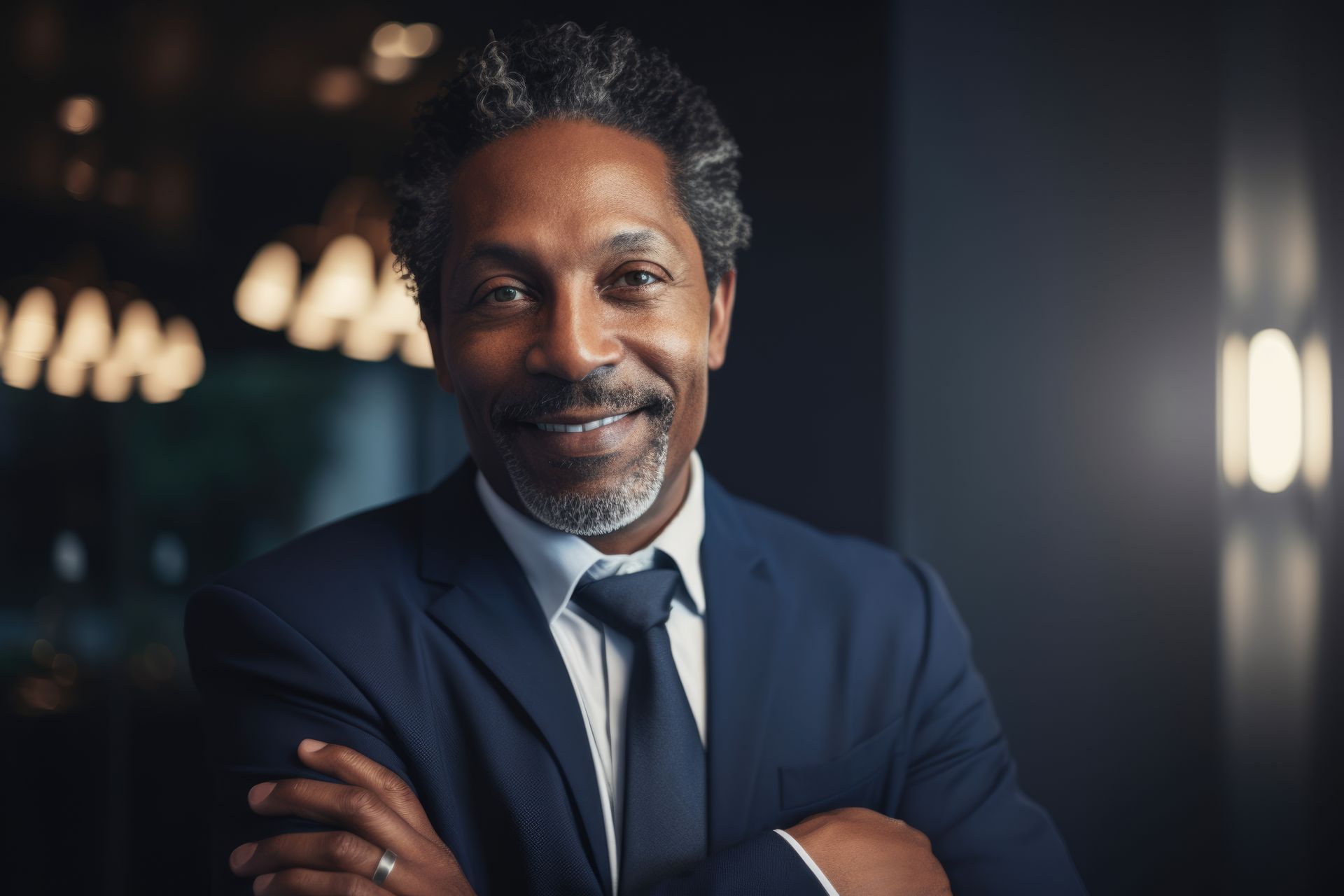
For years, entrepreneurship praised the founder who could reinvent everything at a moment’s notice. The message was clear: stay flexible, pivot fast, change direction as often as necessary, and somehow the breakthrough would appear. Many people built survival on that skill. They learned to adjust when doors closed, when opportunities weren’t equal, when the plan didn’t work the first time. Reinvention became a way of staying afloat. But as we move through 2026, a different truth is beginning to emerge. The entrepreneurs gaining real traction are no longer the ones constantly starting over. They are the ones who stop scattering their energy and begin refining what already works. Instead of creating new lanes every few months, they choose one, strengthen it, deepen it, and let it mature. They discover that progress doesn’t always mean doing something new — sometimes it means doing something familiar with greater clarity, confidence, and excellence. Pivoting still has its place. Sometimes strategy really must shift. Conditions change, industries evolve, technology resets everything, and adaptation remains necessary. But pivoting as a lifestyle creates instability. When everything is always new, nothing ever has time to root. Every reinvention requires new branding, new storytelling, new systems, new audiences, and new emotional effort. Living in constant restart mode drains momentum. Eventually, the business feels like a collection of beginnings rather than a sustained journey toward mastery. In 2026, wisdom looks different than it once did. It is less about speed and more about steadiness. Instead of running toward every opportunity, focused entrepreneurs slow down long enough to ask whether the opportunity actually belongs to them. They recognize that not every trend deserves their attention. AI tools rise. Digital platforms expand. New marketing tactics promise instant success. And yet, the founders who are growing most meaningfully are not the ones chasing everything — they are the ones staying grounded in the work that truly aligns. Depth has become more powerful than distraction. There is something magnetic about a business that knows who it is and remains faithful to its identity. When a founder shows up consistently in the same lane, people begin to trust them. Over time, reputation forms. Word-of-mouth strengthens. Clients return because they recognize quality and commitment. What once felt narrow reveals itself as strength. The more deeply you plant, the wider your roots spread. This is why focus is not restriction — it is liberation. When you choose direction, your mind quiets. Decisions stop feeling chaotic. Messaging becomes clearer. Operations can finally stabilize. Instead of constantly rewriting your story, you allow your story to mature. Your calendar becomes intentional rather than frantic. Your identity as a business becomes recognizable, not blurry. Focus removes clutter and gives your effort a home. For many entrepreneurs, especially those who have had to operate in survival mode, narrowing feels risky. There is an instinct that says, “If I don’t do everything, I might miss something.” That instinct came from real experience. But 2026 invites a different kind of trust — trust that your work deserves depth, trust that commitment creates growth, and trust that excellence requires time. Mastery is not about doing more; it is about doing what matters with increasing skill and integrity. The future will not reward endless dabbling. It will reward builders — people who stay long enough to refine, improve, and evolve. Focus gives your business the stability needed to build legacy instead of just movement. It turns scattered effort into meaningful direction. It allows clients to recognize your voice, your values, and your contribution. And perhaps most importantly, focus allows you to breathe. When you stop chasing everything, you finally have the space to become who you are meant to be in business — grounded, confident, steady, and ready for the kind of growth that lasts. Because in 2026 and beyond, focus is not limitation. Focus is liberation.

By Kim Anthony
•
January 1, 2026
For years, entrepreneurship was framed almost entirely through the lens of tactics. If you had the right software, the right plan, the right strategy, the right advisor, the right funnel — you were told success would follow. The story was simple: outwork everyone, optimize everything, and eventually life would reward your persistence. But as we move through 2026, that narrative is showing cracks. Many founders did everything “right” and still found themselves exhausted, discouraged, and unsure how to keep going. That shift forced a deeper question: what if the missing ingredient isn’t another tool or tactic — but the strength to remain steady when everything feels uncertain? Because the reality is this: the market is unpredictable. Technology moves so quickly that what felt cutting-edge two years ago can feel outdated now. Customers change, industries shift, opportunities arrive and disappear, and sometimes circumstances outside your control apply pressure you didn’t ask for — economy, health, family obligations, or structural barriers others never have to think about. When that pressure hits, strategies alone cannot hold you. Something internal must steady you — something rooted not in hustle, but in resilience. In 2026, emotional steadiness is no longer being viewed as a bonus trait for entrepreneurs. It is becoming part of the operational blueprint. If cash flow dips, if a partnership fails, if a launch falls flat, or if life disrupts the plan, resilience determines whether you collapse or recalibrate. It is the difference between seeing a setback as proof you aren’t capable — versus seeing it as data, feedback, and an invitation to adapt. Resilience, at its core, is not pretending nothing hurts. It is learning to be honest about the disappointment without being consumed by it. It is acknowledging pressure and choosing presence anyway. It is understanding that emotional regulation — the ability to breathe, reflect, and respond instead of react — is not weakness. It is leadership. Entrepreneurs especially need this kind of strength when they are carrying more than a personal dream. Some are building because families are counting on them. Communities are watching. Younger generations are looking for proof that new paths are possible. When the mission feels deeply personal, the weight grows heavier — and the temptation to push beyond healthy limits becomes stronger. Without resilience, the mission becomes a burden. With resilience, the mission becomes fuel. What’s changing in 2026 is the relationship founders have with themselves. Instead of glorifying burnout, many are finally allowing rest to count as strategy. They are recognizing that crossing the line into chronic exhaustion leads to poor decision-making, short tempers, financial mistakes, strained relationships, and lost passion. A burned-out leader cannot steward vision well. They react instead of discern. They chase survival instead of guiding from purpose. Resilient entrepreneurs are choosing a different approach. They are building rhythms of care into their routines — quiet time, movement, therapy, prayer, journaling, coaching, or anything that grounds them. They are surrounding themselves with people they don’t have to impress. They are learning that asking for help does not shrink authority — it protects it. They are redefining strength from “I can handle everything” to “I don’t have to carry this alone.” And slowly, something beautiful happens. The fear-driven tension softens. Decisions become clearer. Creativity returns. Perspective widens. Instead of clinging to every opportunity, founders begin choosing better ones. Instead of operating from scarcity, they begin to operate from stability. That shift changes everything — revenue, relationships, team culture, even health. Resilience also reframes failure. In older entrepreneurial culture, failure carried shame. Today, resilient leaders interpret failure as refinement. They ask different questions: What is this teaching me? What isn’t aligned? What can be improved? Where am I called to grow? They understand that progress is not linear, and endurance often matters more than perfection. At its deepest level, resilience is about protecting the person who is doing the building. Business can be rebuilt. Programs can be redesigned. Offers can evolve. But if the founder collapses under pressure, the entire vision collapses with them. Emotional resilience ensures the vision has a future — not because things never go wrong, but because you’ve learned how to stay grounded when they do. That’s why, in 2026, resilience is being recognized not as soft inspiration, but as structural support. Just as businesses invest in insurance, financial systems, and technology infrastructure, wise founders are now investing in the stability of their own inner lives. They are choosing therapy over silent suffering. Boundaries over burnout. Rest over guilt. Community over isolation. Reflection over constant reaction. The truth is simple and sobering: some of the most brilliant ideas never failed because they lacked potential. They faded because the person carrying them ran out of emotional strength. Resilience gives brilliance room to breathe. It buys time. It creates space for breakthroughs. It keeps you standing long enough to see opportunity again. This is the mindset shift of 2026: success is not just measured by revenue, expansion, or accolades. It is also measured by whether you remain healthy, mentally steady, spiritually anchored, and emotionally available to your life beyond business. The goal isn’t simply to build something impressive — it is to still be present, alive, and whole enough to enjoy it. And that, more than any algorithm or strategy, determines lasting impact.

By Kim Anthony
•
January 1, 2026
Branding in 2026 is no longer just about design or clever taglines. It has evolved into identity, credibility, relationship, and opportunity. For many founders who have had to push harder to be recognized and taken seriously, branding has become a true strategic advantage. Customers are paying attention in new ways — not only to what businesses sell, but to who leads them, what they believe, and how consistently they show up. They are craving authenticity, alignment, and meaning. 1. Founder visibility moves center stage. More than ever, people want to see the human being behind the brand. They want to understand the “why,” the values, and the journey. Entrepreneurs who share their stories, speak publicly, write, teach, and invite others into behind-the-scenes moments develop deeper trust. In a skeptical marketplace, a real, relatable presence becomes one of the strongest branding tools available. 2. Small communities become more powerful than big audiences. Instead of chasing viral moments or massive follower counts, more founders are building intentional spaces — memberships, masterminds, close-knit email lists, and digital communities where conversations feel personal. These communities foster resilience, referrals, support systems, and shared opportunity, creating stronger brands than social feeds alone ever could. 3. Cultural storytelling becomes strategic advantage. Brands that are rooted in lived experience, heritage, neighborhood, and authentic personal history stand out. Whether through food, fashion, wellness, education, or media, stories anchored in truth create connection. Real stories are no longer optional — they are becoming the heartbeat of strong brands. 4. AI becomes a creative partner instead of a replacement. Technology is accelerating branding, especially through AI tools that help with brainstorming, research, writing, and design. But the brands that rise to the top pair technology with humanity — adding nuance, emotion, and voice. Leaders who use AI thoughtfully gain efficiency without losing authenticity. 5. Trust and credibility become the new currency. With so much noise online, people naturally ask why they should believe what they see. Certifications, media features, speaking appearances, testimonials, awards, published content, and strong partnerships all serve as signals that a brand is real, reliable, and capable. These credibility markers open doors that talent alone cannot. 6. Alignment matters more than aesthetics. A beautiful logo or sleek website cannot compensate for misalignment. When messaging, visuals, pricing, customer experience, and leadership behavior match, trust deepens. When they don’t, audiences feel the disconnect and quietly disengage. Alignment is becoming one of the quiet superpowers of strong brands. 7. Thought leadership becomes a growth engine. Consumers no longer want only products — they want perspective. Entrepreneurs who share insights, create frameworks, challenge assumptions, and lead meaningful conversations become recognized as authorities. Their businesses grow because their thinking helps people make sense of their world. 8. Collaboration replaces competition as the default strategy. More entrepreneurs are choosing to partner instead of compete. Co-branded events, shared offers, podcast swaps, cross-promotions, and ecosystem partnerships allow brands to multiply visibility and impact. Collaboration signals confidence and creates opportunities none of the partners could access alone. 9. Purpose-driven branding rises to the forefront. Customers increasingly want to know what a business stands for — who it serves, why it matters, and how it contributes to something larger than profit. When purpose is authentic and clearly communicated, it attracts loyalty and deeper engagement. Purpose provides clarity, and clarity attracts the right people. 10. The health of the leader shapes the health of the brand. There is growing recognition that burnout shows up everywhere — in messaging, marketing, customer experiences, and decision-making. Rest, boundaries, mentorship, team support, and sustainable systems are now part of serious branding conversations. A grounded leader creates a grounded brand. In 2026, branding is not about shrinking to fit someone else’s expectations. It is about honoring your story, your excellence, and your voice — and allowing your business to reflect that truth. When entrepreneurs build brands with clarity, courage, and alignment, they don’t just compete. They create legacies.
By Kim Anthony
•
January 1, 2026
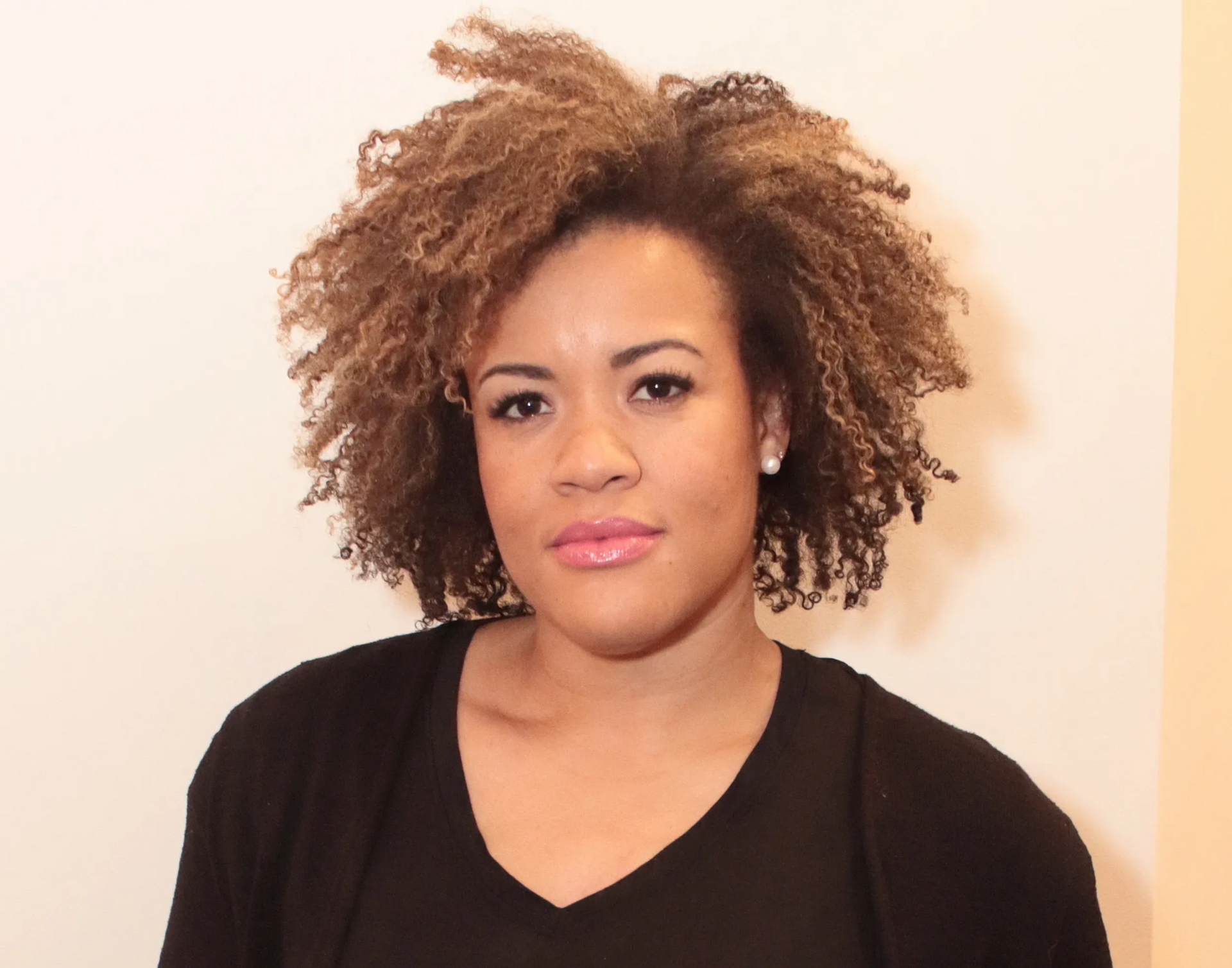
When Hakika Wise launched Kika Stretch Studios, she wasn’t just opening a business. She was creating a wellness movement built around freedom — freedom from tension, stress, and the physical wear-and-tear that weighs so many people down. Building a Stretch Revolution Kika Stretch Studios began as a single studio with a simple mission: help people feel better in their own bodies. As demand grew, Hakika realized something important — she couldn’t scale alone. “I knew that I couldn’t expand with the speed I wanted to on my own,” she explains. “Franchising allowed others to join me — and make a living doing something meaningful.” Franchising opened the door for entrepreneurs to step into a business model designed to be fulfilling, flexible, and community-centered. Turning Pain Into Purpose One of the defining moments in Hakika’s journey came when disaster struck: her first studio caught fire. Instead of closing, she moved operations into the basement of a church — and kept going. For nine months, her team showed up, served clients, and grew. The lesson? “I realized it wasn’t about me anymore. It was about showing up for the community that depended on us.” Persistence became part of the brand culture — and the studio came back stronger. Vision for Growth Today, Kika Stretch Studios continues to grow as a leader in assisted stretching — with a clear goal to scale significantly over the next several years, while staying grounded in quality care and client experience. Wisdom for Aspiring Entrepreneurs Hakika’s advice is simple, but powerful: Trust your potential. Tune out the naysayers. Surround yourself with people who believe in you. Never quit on your vision. “Surround yourself with people who believe in you — and never give up.” — Hakika Wise Creating Space for Black-Owned Franchises Hakika is passionate about seeing more Black entrepreneurs enter the franchise world — not just as operators, but as system owners and leaders. Education, she says, is key. Through her Instagram platform, @the_school_of_franchising, she teaches lessons, shares insights, and helps aspiring franchise owners believe in what’s possible. Says Hakika, “If I could build this, others can too.” And that’s the true heart of the Kika Stretch story — not just stretching bodies, but stretching possibility. Photo: Medium - Authority Magazine

By Kim Anthony
•
January 1, 2026
In communities across America, Black women are not just starting businesses — they are moving economies, shifting industries, and redefining what resilience looks like. According to Wells Fargo’s landmark study, The 2025 Impact of Women-Owned Businesses, Black/African American women entrepreneurs now operate nearly 2 million businesses, employing 647,000 people and generating $118.7 billion in revenue. These aren’t side hustles. They are engines — for families, neighborhoods, and the nation. And the report makes one truth undeniable. Closing the opportunity gap for Black women entrepreneurs isn’t charity. It’s economic strategy. Closing the Parity Gap Could Add Trillions Despite extraordinary gains, Black women still face higher barriers to capital, mentorship, networks, and procurement pipelines. Wells Fargo estimates that if Black/African American women entrepreneurs generated revenue on par with male-owned businesses, the nation could see up to $1.7 trillion added to the economy. The potential is not hypothetical — it is measurable. Policies that address wage inequities, expand access to capital, increase training opportunities, and open professional networks are essential. When these supports exist, the study shows, Black women entrepreneurs do far more than survive. They scale. They hire. They build wealth that ripples through generations. Capital is Expanding — and Awareness Must Catch Up Encouragingly, the financial landscape is widening. Wells Fargo highlights that more women are leveraging diverse financing pathways — particularly those designed with equity in mind. Among the most promising: Community Development Financial Institutions (CDFIs) Approval rates comparable to traditional lenders A 40% increase in certified organizations since 2018 Technical assistance + affordable capital bundled together The Wells Fargo “Open for Business” Initiative Flexible capital — grants, low-cost loans, forgiveness options — paired with capacity-building support helps women-owned businesses stabilize, grow, and create jobs, especially in underserved communities. SBA Lending Gains Women’s share of SBA loans has grown from 15.6% to 21.3% — a meaningful jump. Investment Crowdfunding A lifeline for founders outside major financial hubs, with 70% of capital coming from beyond the top 10 U.S. markets. State Small Business Credit Initiative (SSBCI) A $10 billion Treasury program unlocking private investment with a bold vision — including dedicated funding for equitable entrepreneurship through the Initiative for Inclusive Entrepreneurship. The opportunity — and the challenge — is awareness. Women must know which financial tools fit their stage and strategy, and ecosystems must ensure these resources remain accessible. Procurement: The Billion-Dollar Doorway When corporations and governments intentionally source from Black women-owned firms, the impact is exponential. Revenue grows. Jobs follow. Supply chains strengthen. Inclusive procurement isn’t just about fairness — it makes economies more competitive. Culture, Community, and Commerce Black women-owned businesses do something uniquely powerful: they build solutions from cultural insight. From beauty and wellness to technology, food, fashion, and media, these businesses grow from deep community understanding — and often expand into mainstream markets. They carry heritage. They create belonging. And increasingly, they shape national consumer trends. Building Ecosystems — Not Just Enterprises To truly unlock potential, the report calls for intentional infrastructure: Technology hubs and incubators Affordable marketplaces Co-working spaces designed for women founders Stronger public–private partnerships Investment in digital and physical infrastructure — including rural regions Fair, transparent lending practices Because entrepreneurship doesn’t flourish in isolation — it thrives in ecosystems. When Black women succeed in business, communities stabilize, families thrive, and the entire economy rises.
Profiles & Spotlights
By Kim Anthony
•
September 1, 2023
For many people, travel can be an important part of personal development. When we stay in our own comfort zone, in contexts we’ve always known, it’s easy to not change much on the inside.
By Kim Anthony
•
October 14, 2022
Carmen Dianne, an entertainment industry makeup artist, found herself isolated in 2020, with time to think. COVID-19 was highlighting the inequalities in economic security around the country, while protests against the brutality and murder of Black people by the police were taking place. Dianne began to consider what she could do to contribute to her community. At the same time, she learned, her friend and clothing designer Kara Still was also looking to make a difference. Amidst the Black Lives Matter protests, there was a call to support local Black businesses, but, with L.A.'s sometimes-isolating geography, customers don’t always know where to find them. Dianne and Stilles began to consider creating an opportunity to share their favorite Black businesses with people that might otherwise be outside their reach. Their solution was to create Prosperity Market , a mobile marketplace of Black chefs, farmers, and artisans, that pops up all over Los Angeles. Prosperity market is a weekend-long event. Friday is the virtual market where you can fill your online cart with everything from produce to pre-prepared vegan meals to freshly-made juices. Saturday is the in-person market where you can meet those makers or pick up the goods you bought online with no contact. On Sunday, Dianne and Still give back, distributing produce boxes and meals in South Los Angeles. According to Community Health Council Inc, South Los Angeles is a community of 1.3 million people, serviced by just 60 grocery stores–one grocery store for every 22,156 people. Prosperity Market has partnered with organizations to bring fresh produce to this underserved area. “We work with organizations that want to feed the community,” says Still. Most of the boxes of the organic produce come from Summaeverythang Community Center, a project started by artist Lauren Halsey as a way to feed South Los Angeles and Watts. The Social Justice Learning Institute also contributes food and resources. “California is the largest producing agricultural state in the country [yet] L.A. specifically has the highest number of food-insecure people. That’s crazy to me,” remarked Dianne. Another important aspect of Prosperity Market is their support for black farmers, especially urban farmers. They have partnered with Farmer Ken, who has turned a backyard hillside in East L.A. into a food forest, IGH Gardens in Bell, Crop Swap which asks gardeners to share the extra veggies they’ve produced, and others. “Urban farmers, even if they make a living doing it, even if they’ve been doing it for years and years, don’t qualify as farmers. Which makes it a lot harder for them to get funding. Even if they are feeding hundreds or thousands of people off of the things they grow. But because their land isn’t a certain size or they’re not in a certain area they can’t be categorized as farmers and that creates a lack of access to resources that could make a difference” says Still. And when it comes to selling their products it is another battle. “It’s impossible for urban farmers to become vendors at traditional farmers markets where you may need organic certification. It takes seven years to get it and it's very expensive. It’s not an easy process," she says. "So people grow the most beautiful food, all organic, no pesticides, but they have to jump through so many hoops to be certified." Dianne and Still are helping to create a space for urban farmers to sell the produce they take so much time and care to grow–and they have plans to grow Prosperity Market, too. The pair are working on a 48-foot mobile trailer, part of which will be a rotating food truck and the rest a grocery store on wheels, stocked with produce from Black farmers. The trailer will move through Los Angeles neighborhoods sharing organic produce, cooking classes, and nutritional education. They’d like their model to be replicated in other cities and states, sharing the support they’ve gotten from the Compton Community Garden and Dr. Gail Myers, the founder of Freedom Farmers Market in Oakland, with others. “Stimulating the local economy and the local food system really has a ripple effect to the impact that local government and all of the things that come from that,” says Still. The health and well-being of a community starts with food sovereignty and local support.
By Kim Anthony
•
October 7, 2022
By Carl Pullein We all have too much to do and only 24 hours to do it. We cannot change the amount of available time; That’s fixed. We need to look at the other side of the equation — the stuff we have to do. It’s there where we do have some control. One way we have tried to solve this problem is to use task managers. It makes sense — collect all the things you have to do in a list, and then start at the top and work your way down until you finish everything. Sounds great in theory, but in practice, this leads to overwhelm. It does not solve the underlying problem — too much to do, too little time to do it. Perhaps, a solution. Let’s step back. If we accept we cannot do everything, and we cannot change the amount of time we have, what can we do to resolve this problem? The place to start is to know what is important . How do we do that? Here there is a hierarchy of things that are usually missed, yet, the most productive (and, by consequence, successful) people use this hierarchy every day to ensure the right things are being done. The less important are relegated to the “if I have time” category. What is the hierarchy? The hierarchy begins with your long-term vision of the life you want to live. This does not need to be a perfect, crystal clear vision, just some idea of how you would like to live your life. This will involve your career, your family life, the places you wish to visit, where you hope to live, and the hobbies you would like to do. From this vision, you can extract insights into the person you want to be — or need to be — to accomplish the things you have visualised. For example, if you visualise living in a home in the countryside, where you can go hiking in the hills every day, spend a few hours restoring an old Land Rover, and read the books you enjoy reading, you have something you can work with. To be able to do this, there will be several things you need to do now. The first is to take care of your finances. You won’t live in a comfortable home in the countryside if you spend your income frivolously. You have to be saving a sufficient amount each month. Equally, you won’t be hiking anywhere if you neglect your health. Poor diets and a lack of exercise are among the most significant contributors to serious health issues later in life. You may also decide to go to night school to learn car maintenance. Learning how to weld, rebuild engines and restore drive trains. The vision of the life you want to live gives you the motivation and direction to develop your skills, abilities, and education, so you can live the life you intend to live. Areas of Focus Next comes our areas of focus — the important things to us : Family, friends, our career, finances, health and fitness, personal development, and our mission in life. If any of these areas become neglected, you will become anxious and stressed. When you haven’t considered these critical areas of your life, you will react to events around you. It leaves you feeling unfulfilled and out of balance with the person you want to be. When you take time to develop these areas, understanding what each one means to you and knowing what you need to do to keep things in balance, you find you have much more control over what happens to you. The activities (tasks) that come from these areas are not time-consuming. For instance, in my family and relationships area, I have a task to call my parents every week and have an evening out with my friends and or family. Both are enjoyable activities that involve a few hours each week. I have thirty minutes of learning each evening set aside for my self-development area. That could be reading a book, an article, or taking a course. We are not talking hours each day spent working on your areas of focus. These are just a few simple habits that keep you in balance. Having a vision of the life you want to live and knowing what your areas of focus mean to you ensures your daily actions align with your ideal self. It’s there that you develop a sense of achievement and happiness in what you are doing because you are aligned with the vision of how you would like to be. Your Core Work Your core work is the work you are employed to do . Not the work you volunteered to do. What often happens in our professional lives is we end up “volunteering’ for work we were not originally employed to do. For instance, if you are employed as a salesperson, your job is to sell your company’s products. It is not to sit in meetings with colleagues discussing the end-of-year party or solving other people’s problems. One of the best things you can do is list all the activities that directly contribute to the results you are evaluated on. Sales is typically an easy one to do, as you will be evaluated on your sales performance and the relationship with your customers. So what can you do each day that will directly impact these results? For me, writing these blog posts, recording my YouTube videos and podcast directly impacts the people I want to help. This means I ensure I have sufficient time to do my writing and recording when I plan my week. Only after I have scheduled my core activities in my calendar will I know how much time I have available for meetings and other commitments. Everything else. Once you have the activities that will move you towards your vision, keep your areas of focus in balance and ensure the work you are employed to do gets done, you will bring in everything else. A lot of what drops into the “everything else” category is loud. It’s screaming, and it is demanding attention NOW. It’s challenging to ignore, so what do we do? We just do the task, hoping that things will quieten down once we do it and get it out of the way. But that doesn’t happen, does it? Why? Because there will always be something screaming and shouting for your attention, and you cannot do them all. If you do, you neglect everything else that IS important — your long-term vision, your areas of focus and your core work. Now, I can’t prescribe a magic pill to solve this for you. The only way to do this is to accept you will have to become uncomfortable. You will have to say: “No. I’m sorry, I cannot do that”. If you are not prepared to become uncomfortable here, you will not grow. All growth, whether developing your sales, public speaking or parenting skills, will be uncomfortable initially. That’s the beauty of growth. You never grow by staying inside your comfort zone. You grow by pushing and expanding your comfort zone. The great thing about comfort zones is they are not fixed. You can expand them at any time. You just have to be uncomfortable for a week or two as you push the barriers outward. For example, learning to say “no” will be uncomfortable initially, but you soon become comfortable with it with practice. My advice is to stop trying to bend the laws of time — you cannot win that one. Instead, allow yourself some time to visualise the life you want to live, establish what your areas of focus are and get clear about your core work. Then, prioritise the tasks that drive these things forward, and you will find you are a lot less stressed, feel more in balance with your ideal self and get an incredible amount of worthwhile things done. Thank you for reading Carl's stories! 😊 If you would like to receive all the productivity and time management content that Carl creates each week in one convenient email, you can subscribe here to his weekly newsletter here You can also learn more about what Carl does here on his website here Finally, don’t forget to say hello on Twitter , YouTube or Facebook
By Kim Anthony
•
October 5, 2022
Intermittent fasting (IF) is more than just a buzzword in the health and wellness community. This eating pattern, which alternates between periods of eating and fasting, has been practiced for centuries across different cultures. Modern research and countless personal anecdotes now validate its potential benefits for health, longevity, and well-being. Here are 10 reasons why you might consider incorporating intermittent fasting into your lifestyle: Weight Loss and Fat Reduction IF can assist in weight loss and the reduction of body fat. By limiting the eating window, it naturally reduces calorie intake, and also, fasting periods can increase metabolic rate, leading to more calories burned throughout the day. Insulin Sensitivity IF can help in reducing blood sugar levels and improving insulin sensitivity. Improved insulin sensitivity can reduce the risk of type 2 diabetes, a growing concern in many countries. Heart Health Intermittent fasting can lead to beneficial effects on various heart health markers. These include reductions in LDL cholesterol, blood triglycerides, blood pressure, and inflammatory markers—all risk factors for heart diseases. Cellular Repair and Autophagy During fasting, the body's cells initiate a waste-removal process called autophagy. This involves the cells breaking down and metabolizing dysfunctional proteins that build up inside cells over time. Autophagy can protect against several diseases, including cancer and Alzheimer's disease. Brain Health Fasting can enhance brain function and offer neuroprotective benefits. It can increase the production of brain-derived neurotrophic factor (BDNF), a protein that supports cognitive functions and reduces the risk of neurodegenerative diseases. Longevity Several studies in animals have shown that intermittent fasting can extend lifespan. While more research is needed in humans, there's reason to believe that fasting can help us live longer and healthier lives. Hormone Regulation Fasting can elevate the secretion of growth hormone, which plays a role in muscle growth, fat metabolism, and health benefits. It also aids in regulating key hormones related to hunger and satiety. Simplicity and Sustainability One unexpected benefit of intermittent fasting is the simplicity it brings to daily routines. With fewer meals to prepare and think about, it can simplify daily life and potentially reduce food-related stress. Digestive Health Giving the digestive system a break during fasting can help alleviate issues like bloating, gas, and irregular bowel movements. Over time, this can promote better overall digestive health. Enhanced Physical Performance Some athletes and fitness enthusiasts use IF to maintain lean body mass and improve performance. Fasting can increase the secretion of norepinephrine and adrenaline, which can enhance energy and stamina. Intermittent fasting offers a myriad of health benefits, from cellular repair to improved heart health. As with any dietary approach, it's essential to find a method that suits individual needs and consult with a healthcare professional. Remember, IF isn't just about skipping meals; it's about tapping into an age-old practice to harness modern-day health benefits.
By Kim Anthony
•
August 26, 2022
Hart House , the plant-based quick service restaurant that is dedicated to the overall well-being of people and our planet, announced the grand opening of its first location today in the Westchester neighborhood of Los Angeles. Hart House is founded by American comedian, actor and entrepreneur, Kevin Hart, while being led by CEO, Andy Hooper and Head of Culinary Innovation, Chef Mike Salem. On a mission to be "plant-based for the people," Hart House is not just creating "fast food" but food that will take us all faster into the future. "We've curated delicious, craveable food you know and love like burgers, shakes, nuggets and more," said Hart House CEO, Andy Hooper. "Our menu is the future of the industry; Hart House is revolutionizing quick service restaurants now and delivering a ground-breaking culinary experience that shatters the expectations of what plant-based food can be." Kevin and the Hart House team are committed to disrupting the quick-service industry with a plant-based alternative that is affordable and accessible to all. The delicious menu appeals to everyone, by featuring plant-based burg'rs, chick'n sandwiches, salads, nuggets, fries, tots and milkshakes without sacrificing craveability for conviction. All ingredients are 100% plant-based and are free of cholesterol, antibiotics, hormones, artificial colors, preservatives, high-fructose corn syrup, or trans fats. "As someone who has been preaching 'Health is Wealth', building Hart House felt like the natural evolution of my flexitarian lifestyle and my business ecosystem.'' said Kevin Hart. "I'm beyond proud of this industry-changing restaurant and the amazing team behind it working tirelessly to create delicious, sustainable food that delivers "Can't-Believe-It" flavor in every bite." In addition to providing a healthier alternative to its guests, Hart House leads with care for its employees, offering living wages and best-in-class benefits. They are committed to bringing positive change to the lives of those who serve and those who they serve. The new concept is also passionate about helping the larger community and will be donating 10% of opening day proceeds to Inner City Arts . Hart House's Westchester location boasts bright colors and a fresh design with the help of Kai Williamson's team made up entirely of women of color whose work includes The Gathering Spot, Sovereign Brands, and Blk Swan. The back wall features a colorful mural with the words, "Change You'll Crave" designed by Nicollete Santos whose recent work includes Harley Davidson, Marvel, and Nike. The restaurant includes a sprawling 3090 sqft space on a corner lot within a retail shopping strip located near LAX with 30 interior seats, 8 future exterior seats, and ADA access. Hart House has two additional restaurants currently under construction, several more signed leases, and is targeting to open as many as ten restaurants over the next twelve months. The first location, Hart House Westchester, is located at 8901 S Sepulveda Blvd Los Angeles, CA 90045. Hours of operation are from 11am-9pm.
Breaking News
By Kim Anthony
•
July 14, 2026
LinkedIn
By Urban Business Journal · Inland Empire
•
July 10, 2026
(Photo: Adobe Stock
By Kim Anthony
•
July 10, 2026
(Illustration: Courtesy of National CORE)
By Urban Business Journal - Inland Empire
•
July 10, 2026
(Photo: National CORE)
By Kim Anthony
•
April 3, 2026
(Photo: National CORE)
By Kim Anthony
•
January 1, 2026
For years, entrepreneurship praised the founder who could reinvent everything at a moment’s notice. The message was clear: stay flexible, pivot fast, change direction as often as necessary, and somehow the breakthrough would appear. Many people built survival on that skill. They learned to adjust when doors closed, when opportunities weren’t equal, when the plan didn’t work the first time. Reinvention became a way of staying afloat. But as we move through 2026, a different truth is beginning to emerge. The entrepreneurs gaining real traction are no longer the ones constantly starting over. They are the ones who stop scattering their energy and begin refining what already works. Instead of creating new lanes every few months, they choose one, strengthen it, deepen it, and let it mature. They discover that progress doesn’t always mean doing something new — sometimes it means doing something familiar with greater clarity, confidence, and excellence. Pivoting still has its place. Sometimes strategy really must shift. Conditions change, industries evolve, technology resets everything, and adaptation remains necessary. But pivoting as a lifestyle creates instability. When everything is always new, nothing ever has time to root. Every reinvention requires new branding, new storytelling, new systems, new audiences, and new emotional effort. Living in constant restart mode drains momentum. Eventually, the business feels like a collection of beginnings rather than a sustained journey toward mastery. In 2026, wisdom looks different than it once did. It is less about speed and more about steadiness. Instead of running toward every opportunity, focused entrepreneurs slow down long enough to ask whether the opportunity actually belongs to them. They recognize that not every trend deserves their attention. AI tools rise. Digital platforms expand. New marketing tactics promise instant success. And yet, the founders who are growing most meaningfully are not the ones chasing everything — they are the ones staying grounded in the work that truly aligns. Depth has become more powerful than distraction. There is something magnetic about a business that knows who it is and remains faithful to its identity. When a founder shows up consistently in the same lane, people begin to trust them. Over time, reputation forms. Word-of-mouth strengthens. Clients return because they recognize quality and commitment. What once felt narrow reveals itself as strength. The more deeply you plant, the wider your roots spread. This is why focus is not restriction — it is liberation. When you choose direction, your mind quiets. Decisions stop feeling chaotic. Messaging becomes clearer. Operations can finally stabilize. Instead of constantly rewriting your story, you allow your story to mature. Your calendar becomes intentional rather than frantic. Your identity as a business becomes recognizable, not blurry. Focus removes clutter and gives your effort a home. For many entrepreneurs, especially those who have had to operate in survival mode, narrowing feels risky. There is an instinct that says, “If I don’t do everything, I might miss something.” That instinct came from real experience. But 2026 invites a different kind of trust — trust that your work deserves depth, trust that commitment creates growth, and trust that excellence requires time. Mastery is not about doing more; it is about doing what matters with increasing skill and integrity. The future will not reward endless dabbling. It will reward builders — people who stay long enough to refine, improve, and evolve. Focus gives your business the stability needed to build legacy instead of just movement. It turns scattered effort into meaningful direction. It allows clients to recognize your voice, your values, and your contribution. And perhaps most importantly, focus allows you to breathe. When you stop chasing everything, you finally have the space to become who you are meant to be in business — grounded, confident, steady, and ready for the kind of growth that lasts. Because in 2026 and beyond, focus is not limitation. Focus is liberation.
By Kim Anthony
•
January 1, 2026
For years, entrepreneurship was framed almost entirely through the lens of tactics. If you had the right software, the right plan, the right strategy, the right advisor, the right funnel — you were told success would follow. The story was simple: outwork everyone, optimize everything, and eventually life would reward your persistence. But as we move through 2026, that narrative is showing cracks. Many founders did everything “right” and still found themselves exhausted, discouraged, and unsure how to keep going. That shift forced a deeper question: what if the missing ingredient isn’t another tool or tactic — but the strength to remain steady when everything feels uncertain? Because the reality is this: the market is unpredictable. Technology moves so quickly that what felt cutting-edge two years ago can feel outdated now. Customers change, industries shift, opportunities arrive and disappear, and sometimes circumstances outside your control apply pressure you didn’t ask for — economy, health, family obligations, or structural barriers others never have to think about. When that pressure hits, strategies alone cannot hold you. Something internal must steady you — something rooted not in hustle, but in resilience. In 2026, emotional steadiness is no longer being viewed as a bonus trait for entrepreneurs. It is becoming part of the operational blueprint. If cash flow dips, if a partnership fails, if a launch falls flat, or if life disrupts the plan, resilience determines whether you collapse or recalibrate. It is the difference between seeing a setback as proof you aren’t capable — versus seeing it as data, feedback, and an invitation to adapt. Resilience, at its core, is not pretending nothing hurts. It is learning to be honest about the disappointment without being consumed by it. It is acknowledging pressure and choosing presence anyway. It is understanding that emotional regulation — the ability to breathe, reflect, and respond instead of react — is not weakness. It is leadership. Entrepreneurs especially need this kind of strength when they are carrying more than a personal dream. Some are building because families are counting on them. Communities are watching. Younger generations are looking for proof that new paths are possible. When the mission feels deeply personal, the weight grows heavier — and the temptation to push beyond healthy limits becomes stronger. Without resilience, the mission becomes a burden. With resilience, the mission becomes fuel. What’s changing in 2026 is the relationship founders have with themselves. Instead of glorifying burnout, many are finally allowing rest to count as strategy. They are recognizing that crossing the line into chronic exhaustion leads to poor decision-making, short tempers, financial mistakes, strained relationships, and lost passion. A burned-out leader cannot steward vision well. They react instead of discern. They chase survival instead of guiding from purpose. Resilient entrepreneurs are choosing a different approach. They are building rhythms of care into their routines — quiet time, movement, therapy, prayer, journaling, coaching, or anything that grounds them. They are surrounding themselves with people they don’t have to impress. They are learning that asking for help does not shrink authority — it protects it. They are redefining strength from “I can handle everything” to “I don’t have to carry this alone.” And slowly, something beautiful happens. The fear-driven tension softens. Decisions become clearer. Creativity returns. Perspective widens. Instead of clinging to every opportunity, founders begin choosing better ones. Instead of operating from scarcity, they begin to operate from stability. That shift changes everything — revenue, relationships, team culture, even health. Resilience also reframes failure. In older entrepreneurial culture, failure carried shame. Today, resilient leaders interpret failure as refinement. They ask different questions: What is this teaching me? What isn’t aligned? What can be improved? Where am I called to grow? They understand that progress is not linear, and endurance often matters more than perfection. At its deepest level, resilience is about protecting the person who is doing the building. Business can be rebuilt. Programs can be redesigned. Offers can evolve. But if the founder collapses under pressure, the entire vision collapses with them. Emotional resilience ensures the vision has a future — not because things never go wrong, but because you’ve learned how to stay grounded when they do. That’s why, in 2026, resilience is being recognized not as soft inspiration, but as structural support. Just as businesses invest in insurance, financial systems, and technology infrastructure, wise founders are now investing in the stability of their own inner lives. They are choosing therapy over silent suffering. Boundaries over burnout. Rest over guilt. Community over isolation. Reflection over constant reaction. The truth is simple and sobering: some of the most brilliant ideas never failed because they lacked potential. They faded because the person carrying them ran out of emotional strength. Resilience gives brilliance room to breathe. It buys time. It creates space for breakthroughs. It keeps you standing long enough to see opportunity again. This is the mindset shift of 2026: success is not just measured by revenue, expansion, or accolades. It is also measured by whether you remain healthy, mentally steady, spiritually anchored, and emotionally available to your life beyond business. The goal isn’t simply to build something impressive — it is to still be present, alive, and whole enough to enjoy it. And that, more than any algorithm or strategy, determines lasting impact.
By Kim Anthony
•
January 1, 2026
Branding in 2026 is no longer just about design or clever taglines. It has evolved into identity, credibility, relationship, and opportunity. For many founders who have had to push harder to be recognized and taken seriously, branding has become a true strategic advantage. Customers are paying attention in new ways — not only to what businesses sell, but to who leads them, what they believe, and how consistently they show up. They are craving authenticity, alignment, and meaning. 1. Founder visibility moves center stage. More than ever, people want to see the human being behind the brand. They want to understand the “why,” the values, and the journey. Entrepreneurs who share their stories, speak publicly, write, teach, and invite others into behind-the-scenes moments develop deeper trust. In a skeptical marketplace, a real, relatable presence becomes one of the strongest branding tools available. 2. Small communities become more powerful than big audiences. Instead of chasing viral moments or massive follower counts, more founders are building intentional spaces — memberships, masterminds, close-knit email lists, and digital communities where conversations feel personal. These communities foster resilience, referrals, support systems, and shared opportunity, creating stronger brands than social feeds alone ever could. 3. Cultural storytelling becomes strategic advantage. Brands that are rooted in lived experience, heritage, neighborhood, and authentic personal history stand out. Whether through food, fashion, wellness, education, or media, stories anchored in truth create connection. Real stories are no longer optional — they are becoming the heartbeat of strong brands. 4. AI becomes a creative partner instead of a replacement. Technology is accelerating branding, especially through AI tools that help with brainstorming, research, writing, and design. But the brands that rise to the top pair technology with humanity — adding nuance, emotion, and voice. Leaders who use AI thoughtfully gain efficiency without losing authenticity. 5. Trust and credibility become the new currency. With so much noise online, people naturally ask why they should believe what they see. Certifications, media features, speaking appearances, testimonials, awards, published content, and strong partnerships all serve as signals that a brand is real, reliable, and capable. These credibility markers open doors that talent alone cannot. 6. Alignment matters more than aesthetics. A beautiful logo or sleek website cannot compensate for misalignment. When messaging, visuals, pricing, customer experience, and leadership behavior match, trust deepens. When they don’t, audiences feel the disconnect and quietly disengage. Alignment is becoming one of the quiet superpowers of strong brands. 7. Thought leadership becomes a growth engine. Consumers no longer want only products — they want perspective. Entrepreneurs who share insights, create frameworks, challenge assumptions, and lead meaningful conversations become recognized as authorities. Their businesses grow because their thinking helps people make sense of their world. 8. Collaboration replaces competition as the default strategy. More entrepreneurs are choosing to partner instead of compete. Co-branded events, shared offers, podcast swaps, cross-promotions, and ecosystem partnerships allow brands to multiply visibility and impact. Collaboration signals confidence and creates opportunities none of the partners could access alone. 9. Purpose-driven branding rises to the forefront. Customers increasingly want to know what a business stands for — who it serves, why it matters, and how it contributes to something larger than profit. When purpose is authentic and clearly communicated, it attracts loyalty and deeper engagement. Purpose provides clarity, and clarity attracts the right people. 10. The health of the leader shapes the health of the brand. There is growing recognition that burnout shows up everywhere — in messaging, marketing, customer experiences, and decision-making. Rest, boundaries, mentorship, team support, and sustainable systems are now part of serious branding conversations. A grounded leader creates a grounded brand. In 2026, branding is not about shrinking to fit someone else’s expectations. It is about honoring your story, your excellence, and your voice — and allowing your business to reflect that truth. When entrepreneurs build brands with clarity, courage, and alignment, they don’t just compete. They create legacies.
By Kim Anthony
•
January 1, 2026
When Hakika Wise launched Kika Stretch Studios, she wasn’t just opening a business. She was creating a wellness movement built around freedom — freedom from tension, stress, and the physical wear-and-tear that weighs so many people down. Building a Stretch Revolution Kika Stretch Studios began as a single studio with a simple mission: help people feel better in their own bodies. As demand grew, Hakika realized something important — she couldn’t scale alone. “I knew that I couldn’t expand with the speed I wanted to on my own,” she explains. “Franchising allowed others to join me — and make a living doing something meaningful.” Franchising opened the door for entrepreneurs to step into a business model designed to be fulfilling, flexible, and community-centered. Turning Pain Into Purpose One of the defining moments in Hakika’s journey came when disaster struck: her first studio caught fire. Instead of closing, she moved operations into the basement of a church — and kept going. For nine months, her team showed up, served clients, and grew. The lesson? “I realized it wasn’t about me anymore. It was about showing up for the community that depended on us.” Persistence became part of the brand culture — and the studio came back stronger. Vision for Growth Today, Kika Stretch Studios continues to grow as a leader in assisted stretching — with a clear goal to scale significantly over the next several years, while staying grounded in quality care and client experience. Wisdom for Aspiring Entrepreneurs Hakika’s advice is simple, but powerful: Trust your potential. Tune out the naysayers. Surround yourself with people who believe in you. Never quit on your vision. “Surround yourself with people who believe in you — and never give up.” — Hakika Wise Creating Space for Black-Owned Franchises Hakika is passionate about seeing more Black entrepreneurs enter the franchise world — not just as operators, but as system owners and leaders. Education, she says, is key. Through her Instagram platform, @the_school_of_franchising, she teaches lessons, shares insights, and helps aspiring franchise owners believe in what’s possible. Says Hakika, “If I could build this, others can too.” And that’s the true heart of the Kika Stretch story — not just stretching bodies, but stretching possibility. Photo: Medium - Authority Magazine
By Kim Anthony
•
January 1, 2026
In communities across America, Black women are not just starting businesses — they are moving economies, shifting industries, and redefining what resilience looks like. According to Wells Fargo’s landmark study, The 2025 Impact of Women-Owned Businesses, Black/African American women entrepreneurs now operate nearly 2 million businesses, employing 647,000 people and generating $118.7 billion in revenue. These aren’t side hustles. They are engines — for families, neighborhoods, and the nation. And the report makes one truth undeniable. Closing the opportunity gap for Black women entrepreneurs isn’t charity. It’s economic strategy. Closing the Parity Gap Could Add Trillions Despite extraordinary gains, Black women still face higher barriers to capital, mentorship, networks, and procurement pipelines. Wells Fargo estimates that if Black/African American women entrepreneurs generated revenue on par with male-owned businesses, the nation could see up to $1.7 trillion added to the economy. The potential is not hypothetical — it is measurable. Policies that address wage inequities, expand access to capital, increase training opportunities, and open professional networks are essential. When these supports exist, the study shows, Black women entrepreneurs do far more than survive. They scale. They hire. They build wealth that ripples through generations. Capital is Expanding — and Awareness Must Catch Up Encouragingly, the financial landscape is widening. Wells Fargo highlights that more women are leveraging diverse financing pathways — particularly those designed with equity in mind. Among the most promising: Community Development Financial Institutions (CDFIs) Approval rates comparable to traditional lenders A 40% increase in certified organizations since 2018 Technical assistance + affordable capital bundled together The Wells Fargo “Open for Business” Initiative Flexible capital — grants, low-cost loans, forgiveness options — paired with capacity-building support helps women-owned businesses stabilize, grow, and create jobs, especially in underserved communities. SBA Lending Gains Women’s share of SBA loans has grown from 15.6% to 21.3% — a meaningful jump. Investment Crowdfunding A lifeline for founders outside major financial hubs, with 70% of capital coming from beyond the top 10 U.S. markets. State Small Business Credit Initiative (SSBCI) A $10 billion Treasury program unlocking private investment with a bold vision — including dedicated funding for equitable entrepreneurship through the Initiative for Inclusive Entrepreneurship. The opportunity — and the challenge — is awareness. Women must know which financial tools fit their stage and strategy, and ecosystems must ensure these resources remain accessible. Procurement: The Billion-Dollar Doorway When corporations and governments intentionally source from Black women-owned firms, the impact is exponential. Revenue grows. Jobs follow. Supply chains strengthen. Inclusive procurement isn’t just about fairness — it makes economies more competitive. Culture, Community, and Commerce Black women-owned businesses do something uniquely powerful: they build solutions from cultural insight. From beauty and wellness to technology, food, fashion, and media, these businesses grow from deep community understanding — and often expand into mainstream markets. They carry heritage. They create belonging. And increasingly, they shape national consumer trends. Building Ecosystems — Not Just Enterprises To truly unlock potential, the report calls for intentional infrastructure: Technology hubs and incubators Affordable marketplaces Co-working spaces designed for women founders Stronger public–private partnerships Investment in digital and physical infrastructure — including rural regions Fair, transparent lending practices Because entrepreneurship doesn’t flourish in isolation — it thrives in ecosystems. When Black women succeed in business, communities stabilize, families thrive, and the entire economy rises.
