
Opportunity Watch
By Kim Anthony
•
August 26, 2023
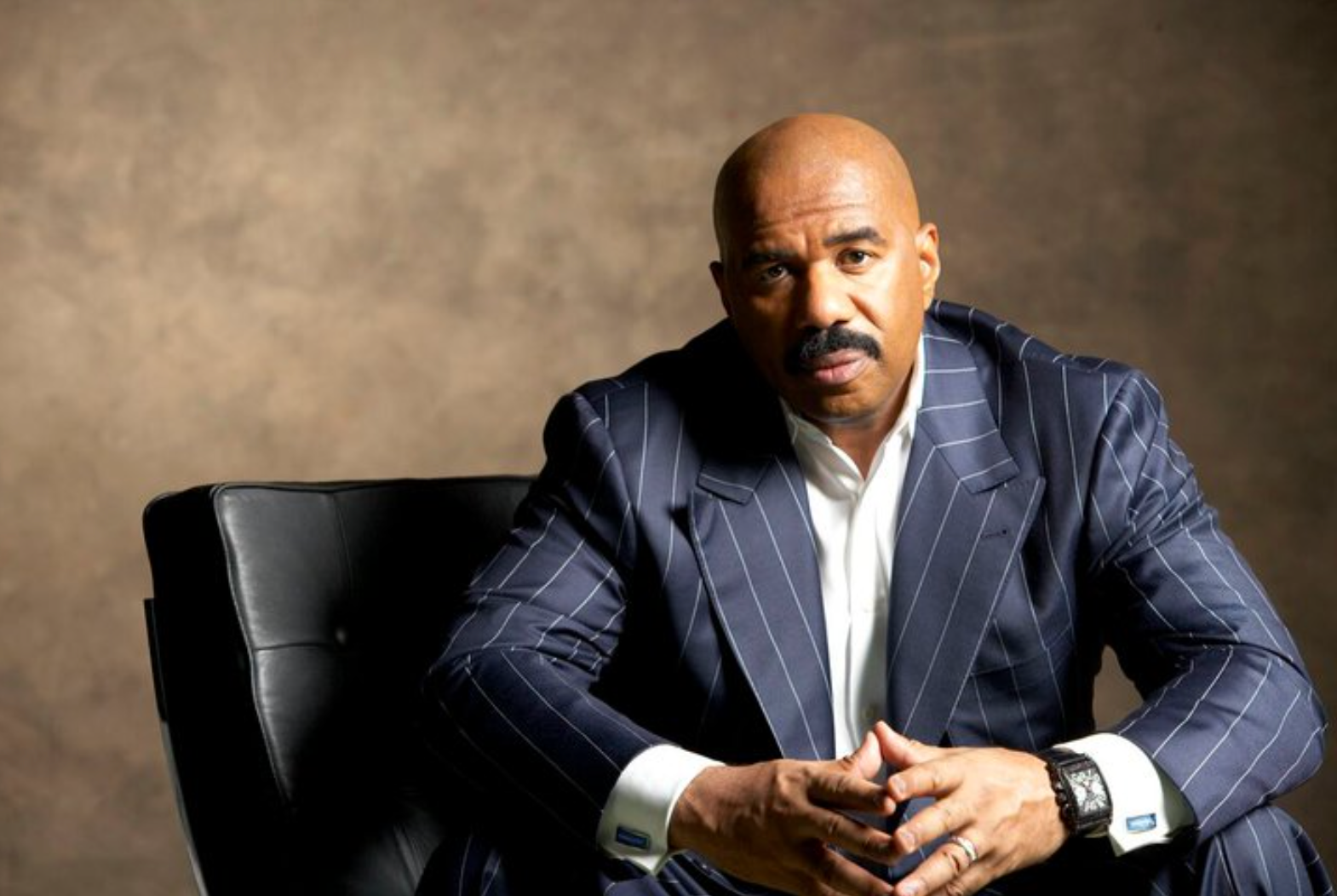
Steve Harvey, a man of many talents, has donned various hats in his career—comedian, TV host, author, and motivational speaker, to name a few. His journey from humble beginnings to stardom is both inspirational and instructive. Here are seven lessons that we can all learn from Steve Harvey's remarkable career trajectory. 1. Embrace Failure as a Learning Opportunity Steve Harvey was not an overnight sensation. He faced numerous setbacks, including homelessness, before achieving the success he enjoys today. Harvey often says that failure is a great teacher. When faced with setbacks, don’t get discouraged; instead, look for the lessons and ways to improve. 2. Hard Work and Persistence Pay Off The grind never stops when you're working towards your dream. Steve Harvey exemplifies the dedication and hard work required to succeed in multiple fields. His message is clear: you have to commit yourself fully to your dreams and work persistently to make them come true. 3. Make Time for Family and Loved Ones Despite his demanding career, Harvey places great importance on spending quality time with family. He often discusses the support and inspiration he derives from his loved ones, highlighting the essential balance between professional and personal life. Never underestimate the power of a strong support system. 4. Create Multiple Streams of Income Steve Harvey is not just a comedian or TV host; he is also a bestselling author and entrepreneur. His diverse career portfolio shows the wisdom in not putting all your eggs in one basket. It's a powerful reminder to diversify our skills and sources of income to ensure financial stability and independence. 5. Always Give Back to the Community One of Harvey’s key beliefs is the importance of giving back. Through various charitable initiatives and public talks, he actively contributes to his community and encourages others to do the same. Giving back is not only socially responsible but also personally fulfilling. 6. Maintain a Positive Mindset and Attitude Positivity is contagious, and nobody proves that better than Steve Harvey. He consistently emphasizes the power of maintaining a positive outlook on life, regardless of the circumstances. Harvey advises that a positive mindset can help you overcome obstacles and attract opportunities you'd otherwise miss. 7. Trust in Your Unique Journey Every person’s path to success is different, and Steve Harvey is a testament to that. His unique journey, filled with various career changes and life lessons, shows that there is no single “correct” way to achieve your dreams. Trust in your own journey and don't be discouraged by the seemingly perfect paths of others. Steve Harvey's life and career offer a wealth of wisdom for anyone striving to achieve personal and professional success. His resilience, work ethic, and positive outlook provide a framework for us all. Apply these seven lessons in your own life, and who knows, you might just find yourself on the path to fulfilling your wildest dreams.
By Kim Anthony
•
October 14, 2022
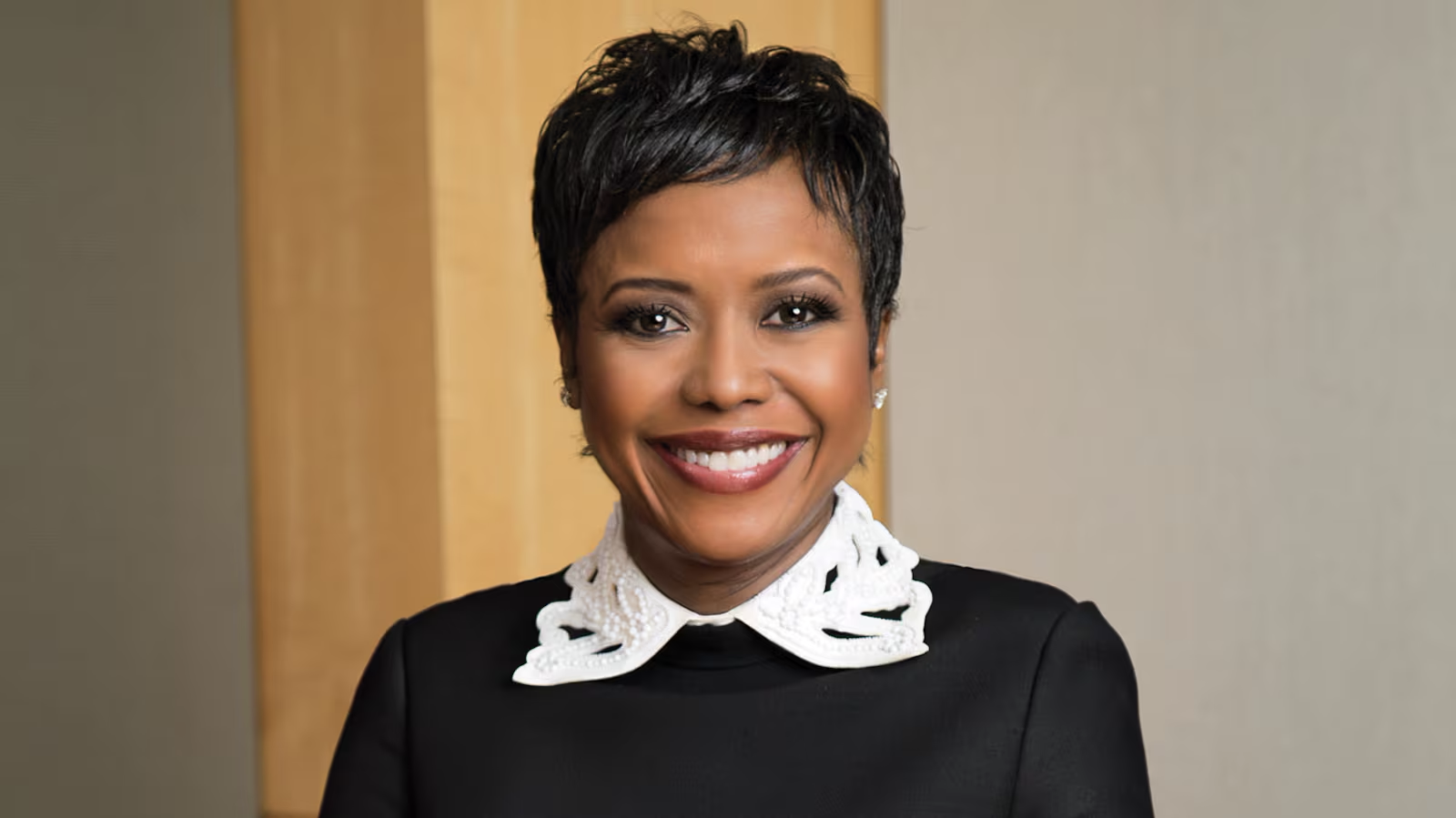
When Mellody Hobson speaks about money, people listen—and for good reason. As a nationally respected financial expert, co-CEO of Ariel Investments, and longtime advocate for financial literacy, Hobson has a gift for breaking down complex money matters into everyday truths that stick. Through her powerful insights and plain-spoken wisdom, she’s taught millions how to not only manage money but master it. Whether she’s speaking on “Mellody on Money” or in the boardroom, her advice is honest, empowering, and deeply practical—especially for those who’ve been left out of traditional wealth-building conversations. Here are 10 priceless facts about money we’re learning from the incomparable Mellody Hobson—truths that can shift your mindset, change your habits, and put you on the path to lasting financial freedom. 1. Know Where Every Dollar Goes Track your spending like your life depends on it—because your financial freedom does. Use budgeting apps (like Mint, YNAB, or even spreadsheets). Categorize every purchase to see where you’re bleeding money (subscriptions, eating out, etc.). 2. Your Net Worth Matters More Than Your Paycheck It’s not what you earn, it’s what you keep—and grow. Subtract your liabilities (debt) from your assets (what you own). Regularly calculate your net worth so you know if you’re building wealth or just staying busy. 3. Stop Using Credit Like It’s Cash Credit cards are tools, not free money. If you can’t pay it off in full monthly, don’t swipe it. Limit credit card use to what you can pay off within 30 days. 📉 4. Avoid “Financial Amnesia” Tip : Don’t forget big money lessons after things get comfortable again. Keep a money journal. Reflect on past financial mistakes and what you learned. Set automatic savings even during stable times to build resilience. 💡 5. Financial Literacy = Financial Power Tip : The more you learn, the more you earn—and protect. Read books, listen to podcasts, and follow reputable financial voices. Take free online courses (Khan Academy, Coursera, etc.) on personal finance and investing. 🧠 6. Money Is Emotional—But Don’t Let It Run You Tip : Be honest about your emotional triggers around money. Ask yourself: Do I spend to feel better? Do I avoid looking at my bank account out of fear? Practice mindful money habits and check in weekly. 📈 7. Start Investing Early, Even If It’s Small Tip : Time in the market beats timing the market. Open a Roth IRA, 401(k), or use apps like Acorns or Betterment to start small. Automate contributions and increase them as your income grows. 🔐 8. Protect Your Future with Insurance & Estate Planning Tip : Wealth isn’t just what you grow—it's what you protect. Get life, health, and disability insurance. Create a will and healthcare directive, especially if you have children. 🤝 9. Talk About Money Tip : Silence keeps communities broke. Conversation creates change. Break money taboos with family and friends. Teach your kids about money early—they’re watching you. ✨ 10. Your Money Story Can Be Rewritten Tip : No matter where you started, you can change your financial destiny. Don’t let past mistakes define your future. Make a new decision today that your future self will thank you for.

By Kim Anthony
•
August 31, 2021
Golden State Warriors player Stephen Curry is widely considered one of the best in the world. As the highest paying player in the NBA, he has won three championships, the Most Valuable Player award, and the NBA's Most Valuable Player award. Below are 31 inspirational Stephen Curry quotes: 1. “There’s more to me than just this jersey I wear, and that’s Christ living inside of me.” – Stephen Curry 2. “I can do all things.” – Stephen Curry 3. “If you take time to realize what your dream is and what you really want in life — no matter what it is, whether it’s sports or in other fields — you have to realize that there is always work to do, and you want to be the hardest working person in whatever you do, and you put yourself in a position to be successful. And you have to have a passion about what you do.” – Stephen Curry 4. “Play like you’re in first. Train like you’re in second.” – Stephen Curry 5. “Every time I rise up, I have confidence that I’m going to make it.” – Stephen Curry 6. “I can get better. I haven’t reached my ceiling yet on how well I can shoot the basketball.” – Stephen Curry 7. “Basketball isn’t just a sport. It is an art, one that must be mastered to succeed.” – Stephen Curry 8. “We have to have the mentality that we have to work for everything we’re going to get.” – Stephen Curry 9. “Success comes after you conquer your biggest obstacles and hurdles.” – Stephen Curry 10. “I do a little sign on the court every time I make a shot or a good pass and I pound my chest and point to the sky – it symbolizes that I have a heart for God. It’s something that my mom and I came up with in college and I do it every time i step on the floor as a reminder of who I’m playing for.” – Stephen Curry 11. “Play like you’re in first. Train like you’re in second.” – Stephen Curry 12. “I can’t say enough: how important my faith is to how I play the game and who I am.” – Stephen Curry 13. “I’m not the guy who’s afraid of failure. I like to take risks, take the big shot and all that.” – Stephen Curry 14. “I’d rather be a non-All-Star playing in the Western Conference finals than an All-Star who’s sitting at home in May.”- Stephen Curry 15. “Each game is an opportunity to be on a great stage and be a witness for Christ. When I step on the floor, people should know who I represent, who I believe in.” – Stephen Curry 16. “Success is born out of faith, an undying passion, and a relentless drive.” – Stephen Curry 17. “Basketball was mine, and that’s what’s carried me to this point.” – Stephen Curry 18. “The more years I go, the more experience I have, the more that nutrition and eating the right foods is important for recovery and things like that.” – Stephen Curry 19. “It’s all about winning. Stats really don’t matter, I mean, guys have great series and all that, and people take notice and take their place in history with those stats and all that stuff. But at the end of the day, it’s all about winning and what you can do to help your team get to that point.” – Stephen Curry 20. “I try and use every game as an opportunity to witness… When I step on the floor people should know who I represent, who I believe in.” – Stephen Curry 21. “Kids put life into perspective. I never have a bad day. Life happens and you get bad news sometime, or things don’t go your way at work – for me that might mean I lose a game or not play well – but that doesn’t affect my mood from day to day. I love going home and seeing the smiles on my daughters’ faces being happy to see me, and that makes everything all right.” – Stephen Curry 22. “All 14 guys on the team have sacrificed something to get to this point.” – Stephen Curry 23. “I really cherish everything that basketball brings; and I think, for me, it’s been a great ride and I’m not done yet.” – Stephen Curry 25. “Sometimes people make it seem like you have to have certain prerequisites or a crazy life story in order to be successful in this world.” – Stephen Curry 26. “Make sure you live in the moment and work your butt off every single day, and I hope I inspire people all around the world to just be themselves, be humble and be grateful for all the blessings in your life.” – Stephen Curry 27. “Be the best version of yourself in anything you do. You don’t have to live anybody else’s story.” – Stephen Curry 28. “To excel at the highest level – or any level, really – you need to believe in yourself.” – Stephen Curry 29. “We overload in our workouts so that the game slows down in real life. It helps you become a smarter basketball player.” – Step hen Curry 30. “I try to make it look easy, but the behind-the-scenes stuff is the challenge.”- Stephen Curry 31. “Honestly, I could care less about other people’s opinions about me.” – Stephen Curry

By Kim Anthony
•
August 13, 2021
It was once said by author, Robert Collier that “Success is the sum of small efforts, repeated day-in and day-out.” While success is inherited for some and earned via hard work for others, there are some characteristics that successful people do share. For many, having a good morning routine is key to maintaining their achievements. Here, we’ll discuss five things that successful people do to start their days. 1. Successful People Do Eat Healthy Breakfasts Studies show eating a healthy breakfast each morning can help improve your concentration and performance, and help give you more physical strength and endurance, according to WebMD. Taking time for a meal in the morning may help you focus on your tasks, and ultimately, accomplish more during the day. 2. Successful People Do Exercise Getting in a morning workout helps prepare you to take on the day. In addition to the numerous health benefits of regular exercise, doing cardio, yoga or some other exercise in the morning can help energize you and wake up your body. 3. Successful People Do Plan the Day Each morning, take time to map out your day. Prioritize your goals and to dos and create a timetable of your activities. You may be better able to adjust to situations that arise over the course of a day and be better prepared to accomplish all your tasks by spending a few minutes scheduling the day in front of you. 4. Successful People Do Check the News Whether it is while you ride the bike in the morning at the gym or sitting at the table eating breakfast, scan the day’s headlines. What’s going on in the world around you may affect your business. Staying up to date on current events can help you prepare for the events you’re expecting or immediately begin developing solutions for those you aren’t. 5. Successful People Do Meditate It can be difficult to disconnect from all your demands, and your thoughts may become cluttered. The Huffington Post points out that meditation reduces stress and improves concentration, among other benefits. Spending even a short amount of time meditating or visualizing the day in the morning can help you clear your mind and prepare you to take on the rush of the day. This article original appeared in Beacon Resources
more stories
By Kim Anthony
•
July 14, 2026
LinkedIn

By Urban Business Journal · Inland Empire
•
July 10, 2026
(Photo: Adobe Stock

By Kim Anthony
•
July 10, 2026
(Illustration: Courtesy of National CORE)

By Urban Business Journal - Inland Empire
•
July 10, 2026
(Photo: National CORE)

By Kim Anthony
•
April 3, 2026
(Photo: National CORE)

By Kim Anthony
•
January 1, 2026
For years, entrepreneurship praised the founder who could reinvent everything at a moment’s notice. The message was clear: stay flexible, pivot fast, change direction as often as necessary, and somehow the breakthrough would appear. Many people built survival on that skill. They learned to adjust when doors closed, when opportunities weren’t equal, when the plan didn’t work the first time. Reinvention became a way of staying afloat. But as we move through 2026, a different truth is beginning to emerge. The entrepreneurs gaining real traction are no longer the ones constantly starting over. They are the ones who stop scattering their energy and begin refining what already works. Instead of creating new lanes every few months, they choose one, strengthen it, deepen it, and let it mature. They discover that progress doesn’t always mean doing something new — sometimes it means doing something familiar with greater clarity, confidence, and excellence. Pivoting still has its place. Sometimes strategy really must shift. Conditions change, industries evolve, technology resets everything, and adaptation remains necessary. But pivoting as a lifestyle creates instability. When everything is always new, nothing ever has time to root. Every reinvention requires new branding, new storytelling, new systems, new audiences, and new emotional effort. Living in constant restart mode drains momentum. Eventually, the business feels like a collection of beginnings rather than a sustained journey toward mastery. In 2026, wisdom looks different than it once did. It is less about speed and more about steadiness. Instead of running toward every opportunity, focused entrepreneurs slow down long enough to ask whether the opportunity actually belongs to them. They recognize that not every trend deserves their attention. AI tools rise. Digital platforms expand. New marketing tactics promise instant success. And yet, the founders who are growing most meaningfully are not the ones chasing everything — they are the ones staying grounded in the work that truly aligns. Depth has become more powerful than distraction. There is something magnetic about a business that knows who it is and remains faithful to its identity. When a founder shows up consistently in the same lane, people begin to trust them. Over time, reputation forms. Word-of-mouth strengthens. Clients return because they recognize quality and commitment. What once felt narrow reveals itself as strength. The more deeply you plant, the wider your roots spread. This is why focus is not restriction — it is liberation. When you choose direction, your mind quiets. Decisions stop feeling chaotic. Messaging becomes clearer. Operations can finally stabilize. Instead of constantly rewriting your story, you allow your story to mature. Your calendar becomes intentional rather than frantic. Your identity as a business becomes recognizable, not blurry. Focus removes clutter and gives your effort a home. For many entrepreneurs, especially those who have had to operate in survival mode, narrowing feels risky. There is an instinct that says, “If I don’t do everything, I might miss something.” That instinct came from real experience. But 2026 invites a different kind of trust — trust that your work deserves depth, trust that commitment creates growth, and trust that excellence requires time. Mastery is not about doing more; it is about doing what matters with increasing skill and integrity. The future will not reward endless dabbling. It will reward builders — people who stay long enough to refine, improve, and evolve. Focus gives your business the stability needed to build legacy instead of just movement. It turns scattered effort into meaningful direction. It allows clients to recognize your voice, your values, and your contribution. And perhaps most importantly, focus allows you to breathe. When you stop chasing everything, you finally have the space to become who you are meant to be in business — grounded, confident, steady, and ready for the kind of growth that lasts. Because in 2026 and beyond, focus is not limitation. Focus is liberation.

By Kim Anthony
•
January 1, 2026
For years, entrepreneurship was framed almost entirely through the lens of tactics. If you had the right software, the right plan, the right strategy, the right advisor, the right funnel — you were told success would follow. The story was simple: outwork everyone, optimize everything, and eventually life would reward your persistence. But as we move through 2026, that narrative is showing cracks. Many founders did everything “right” and still found themselves exhausted, discouraged, and unsure how to keep going. That shift forced a deeper question: what if the missing ingredient isn’t another tool or tactic — but the strength to remain steady when everything feels uncertain? Because the reality is this: the market is unpredictable. Technology moves so quickly that what felt cutting-edge two years ago can feel outdated now. Customers change, industries shift, opportunities arrive and disappear, and sometimes circumstances outside your control apply pressure you didn’t ask for — economy, health, family obligations, or structural barriers others never have to think about. When that pressure hits, strategies alone cannot hold you. Something internal must steady you — something rooted not in hustle, but in resilience. In 2026, emotional steadiness is no longer being viewed as a bonus trait for entrepreneurs. It is becoming part of the operational blueprint. If cash flow dips, if a partnership fails, if a launch falls flat, or if life disrupts the plan, resilience determines whether you collapse or recalibrate. It is the difference between seeing a setback as proof you aren’t capable — versus seeing it as data, feedback, and an invitation to adapt. Resilience, at its core, is not pretending nothing hurts. It is learning to be honest about the disappointment without being consumed by it. It is acknowledging pressure and choosing presence anyway. It is understanding that emotional regulation — the ability to breathe, reflect, and respond instead of react — is not weakness. It is leadership. Entrepreneurs especially need this kind of strength when they are carrying more than a personal dream. Some are building because families are counting on them. Communities are watching. Younger generations are looking for proof that new paths are possible. When the mission feels deeply personal, the weight grows heavier — and the temptation to push beyond healthy limits becomes stronger. Without resilience, the mission becomes a burden. With resilience, the mission becomes fuel. What’s changing in 2026 is the relationship founders have with themselves. Instead of glorifying burnout, many are finally allowing rest to count as strategy. They are recognizing that crossing the line into chronic exhaustion leads to poor decision-making, short tempers, financial mistakes, strained relationships, and lost passion. A burned-out leader cannot steward vision well. They react instead of discern. They chase survival instead of guiding from purpose. Resilient entrepreneurs are choosing a different approach. They are building rhythms of care into their routines — quiet time, movement, therapy, prayer, journaling, coaching, or anything that grounds them. They are surrounding themselves with people they don’t have to impress. They are learning that asking for help does not shrink authority — it protects it. They are redefining strength from “I can handle everything” to “I don’t have to carry this alone.” And slowly, something beautiful happens. The fear-driven tension softens. Decisions become clearer. Creativity returns. Perspective widens. Instead of clinging to every opportunity, founders begin choosing better ones. Instead of operating from scarcity, they begin to operate from stability. That shift changes everything — revenue, relationships, team culture, even health. Resilience also reframes failure. In older entrepreneurial culture, failure carried shame. Today, resilient leaders interpret failure as refinement. They ask different questions: What is this teaching me? What isn’t aligned? What can be improved? Where am I called to grow? They understand that progress is not linear, and endurance often matters more than perfection. At its deepest level, resilience is about protecting the person who is doing the building. Business can be rebuilt. Programs can be redesigned. Offers can evolve. But if the founder collapses under pressure, the entire vision collapses with them. Emotional resilience ensures the vision has a future — not because things never go wrong, but because you’ve learned how to stay grounded when they do. That’s why, in 2026, resilience is being recognized not as soft inspiration, but as structural support. Just as businesses invest in insurance, financial systems, and technology infrastructure, wise founders are now investing in the stability of their own inner lives. They are choosing therapy over silent suffering. Boundaries over burnout. Rest over guilt. Community over isolation. Reflection over constant reaction. The truth is simple and sobering: some of the most brilliant ideas never failed because they lacked potential. They faded because the person carrying them ran out of emotional strength. Resilience gives brilliance room to breathe. It buys time. It creates space for breakthroughs. It keeps you standing long enough to see opportunity again. This is the mindset shift of 2026: success is not just measured by revenue, expansion, or accolades. It is also measured by whether you remain healthy, mentally steady, spiritually anchored, and emotionally available to your life beyond business. The goal isn’t simply to build something impressive — it is to still be present, alive, and whole enough to enjoy it. And that, more than any algorithm or strategy, determines lasting impact.

By Kim Anthony
•
January 1, 2026
Branding in 2026 is no longer just about design or clever taglines. It has evolved into identity, credibility, relationship, and opportunity. For many founders who have had to push harder to be recognized and taken seriously, branding has become a true strategic advantage. Customers are paying attention in new ways — not only to what businesses sell, but to who leads them, what they believe, and how consistently they show up. They are craving authenticity, alignment, and meaning. 1. Founder visibility moves center stage. More than ever, people want to see the human being behind the brand. They want to understand the “why,” the values, and the journey. Entrepreneurs who share their stories, speak publicly, write, teach, and invite others into behind-the-scenes moments develop deeper trust. In a skeptical marketplace, a real, relatable presence becomes one of the strongest branding tools available. 2. Small communities become more powerful than big audiences. Instead of chasing viral moments or massive follower counts, more founders are building intentional spaces — memberships, masterminds, close-knit email lists, and digital communities where conversations feel personal. These communities foster resilience, referrals, support systems, and shared opportunity, creating stronger brands than social feeds alone ever could. 3. Cultural storytelling becomes strategic advantage. Brands that are rooted in lived experience, heritage, neighborhood, and authentic personal history stand out. Whether through food, fashion, wellness, education, or media, stories anchored in truth create connection. Real stories are no longer optional — they are becoming the heartbeat of strong brands. 4. AI becomes a creative partner instead of a replacement. Technology is accelerating branding, especially through AI tools that help with brainstorming, research, writing, and design. But the brands that rise to the top pair technology with humanity — adding nuance, emotion, and voice. Leaders who use AI thoughtfully gain efficiency without losing authenticity. 5. Trust and credibility become the new currency. With so much noise online, people naturally ask why they should believe what they see. Certifications, media features, speaking appearances, testimonials, awards, published content, and strong partnerships all serve as signals that a brand is real, reliable, and capable. These credibility markers open doors that talent alone cannot. 6. Alignment matters more than aesthetics. A beautiful logo or sleek website cannot compensate for misalignment. When messaging, visuals, pricing, customer experience, and leadership behavior match, trust deepens. When they don’t, audiences feel the disconnect and quietly disengage. Alignment is becoming one of the quiet superpowers of strong brands. 7. Thought leadership becomes a growth engine. Consumers no longer want only products — they want perspective. Entrepreneurs who share insights, create frameworks, challenge assumptions, and lead meaningful conversations become recognized as authorities. Their businesses grow because their thinking helps people make sense of their world. 8. Collaboration replaces competition as the default strategy. More entrepreneurs are choosing to partner instead of compete. Co-branded events, shared offers, podcast swaps, cross-promotions, and ecosystem partnerships allow brands to multiply visibility and impact. Collaboration signals confidence and creates opportunities none of the partners could access alone. 9. Purpose-driven branding rises to the forefront. Customers increasingly want to know what a business stands for — who it serves, why it matters, and how it contributes to something larger than profit. When purpose is authentic and clearly communicated, it attracts loyalty and deeper engagement. Purpose provides clarity, and clarity attracts the right people. 10. The health of the leader shapes the health of the brand. There is growing recognition that burnout shows up everywhere — in messaging, marketing, customer experiences, and decision-making. Rest, boundaries, mentorship, team support, and sustainable systems are now part of serious branding conversations. A grounded leader creates a grounded brand. In 2026, branding is not about shrinking to fit someone else’s expectations. It is about honoring your story, your excellence, and your voice — and allowing your business to reflect that truth. When entrepreneurs build brands with clarity, courage, and alignment, they don’t just compete. They create legacies.
By Kim Anthony
•
January 1, 2026
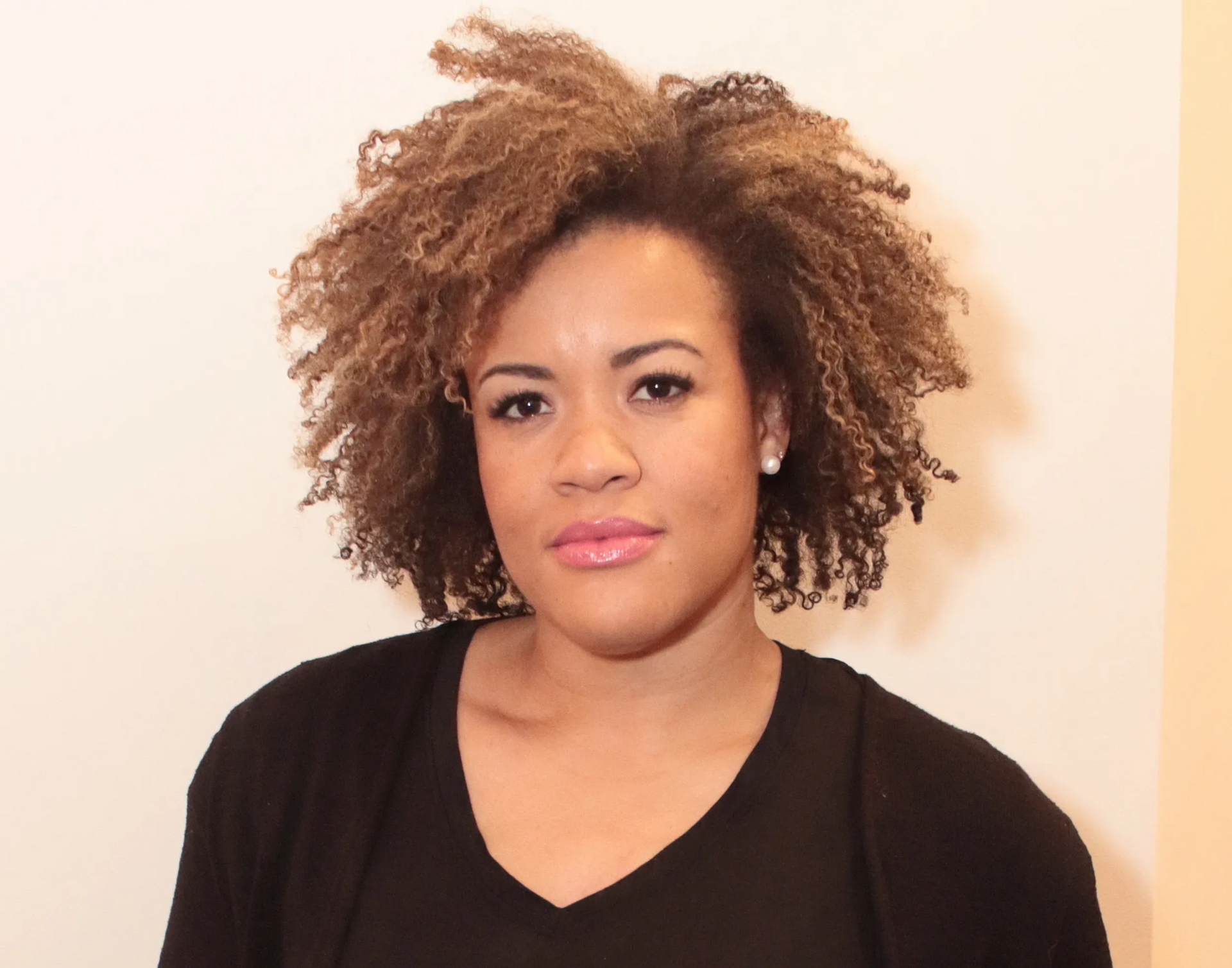
When Hakika Wise launched Kika Stretch Studios, she wasn’t just opening a business. She was creating a wellness movement built around freedom — freedom from tension, stress, and the physical wear-and-tear that weighs so many people down. Building a Stretch Revolution Kika Stretch Studios began as a single studio with a simple mission: help people feel better in their own bodies. As demand grew, Hakika realized something important — she couldn’t scale alone. “I knew that I couldn’t expand with the speed I wanted to on my own,” she explains. “Franchising allowed others to join me — and make a living doing something meaningful.” Franchising opened the door for entrepreneurs to step into a business model designed to be fulfilling, flexible, and community-centered. Turning Pain Into Purpose One of the defining moments in Hakika’s journey came when disaster struck: her first studio caught fire. Instead of closing, she moved operations into the basement of a church — and kept going. For nine months, her team showed up, served clients, and grew. The lesson? “I realized it wasn’t about me anymore. It was about showing up for the community that depended on us.” Persistence became part of the brand culture — and the studio came back stronger. Vision for Growth Today, Kika Stretch Studios continues to grow as a leader in assisted stretching — with a clear goal to scale significantly over the next several years, while staying grounded in quality care and client experience. Wisdom for Aspiring Entrepreneurs Hakika’s advice is simple, but powerful: Trust your potential. Tune out the naysayers. Surround yourself with people who believe in you. Never quit on your vision. “Surround yourself with people who believe in you — and never give up.” — Hakika Wise Creating Space for Black-Owned Franchises Hakika is passionate about seeing more Black entrepreneurs enter the franchise world — not just as operators, but as system owners and leaders. Education, she says, is key. Through her Instagram platform, @the_school_of_franchising, she teaches lessons, shares insights, and helps aspiring franchise owners believe in what’s possible. Says Hakika, “If I could build this, others can too.” And that’s the true heart of the Kika Stretch story — not just stretching bodies, but stretching possibility. Photo: Medium - Authority Magazine

By Kim Anthony
•
January 1, 2026
In communities across America, Black women are not just starting businesses — they are moving economies, shifting industries, and redefining what resilience looks like. According to Wells Fargo’s landmark study, The 2025 Impact of Women-Owned Businesses, Black/African American women entrepreneurs now operate nearly 2 million businesses, employing 647,000 people and generating $118.7 billion in revenue. These aren’t side hustles. They are engines — for families, neighborhoods, and the nation. And the report makes one truth undeniable. Closing the opportunity gap for Black women entrepreneurs isn’t charity. It’s economic strategy. Closing the Parity Gap Could Add Trillions Despite extraordinary gains, Black women still face higher barriers to capital, mentorship, networks, and procurement pipelines. Wells Fargo estimates that if Black/African American women entrepreneurs generated revenue on par with male-owned businesses, the nation could see up to $1.7 trillion added to the economy. The potential is not hypothetical — it is measurable. Policies that address wage inequities, expand access to capital, increase training opportunities, and open professional networks are essential. When these supports exist, the study shows, Black women entrepreneurs do far more than survive. They scale. They hire. They build wealth that ripples through generations. Capital is Expanding — and Awareness Must Catch Up Encouragingly, the financial landscape is widening. Wells Fargo highlights that more women are leveraging diverse financing pathways — particularly those designed with equity in mind. Among the most promising: Community Development Financial Institutions (CDFIs) Approval rates comparable to traditional lenders A 40% increase in certified organizations since 2018 Technical assistance + affordable capital bundled together The Wells Fargo “Open for Business” Initiative Flexible capital — grants, low-cost loans, forgiveness options — paired with capacity-building support helps women-owned businesses stabilize, grow, and create jobs, especially in underserved communities. SBA Lending Gains Women’s share of SBA loans has grown from 15.6% to 21.3% — a meaningful jump. Investment Crowdfunding A lifeline for founders outside major financial hubs, with 70% of capital coming from beyond the top 10 U.S. markets. State Small Business Credit Initiative (SSBCI) A $10 billion Treasury program unlocking private investment with a bold vision — including dedicated funding for equitable entrepreneurship through the Initiative for Inclusive Entrepreneurship. The opportunity — and the challenge — is awareness. Women must know which financial tools fit their stage and strategy, and ecosystems must ensure these resources remain accessible. Procurement: The Billion-Dollar Doorway When corporations and governments intentionally source from Black women-owned firms, the impact is exponential. Revenue grows. Jobs follow. Supply chains strengthen. Inclusive procurement isn’t just about fairness — it makes economies more competitive. Culture, Community, and Commerce Black women-owned businesses do something uniquely powerful: they build solutions from cultural insight. From beauty and wellness to technology, food, fashion, and media, these businesses grow from deep community understanding — and often expand into mainstream markets. They carry heritage. They create belonging. And increasingly, they shape national consumer trends. Building Ecosystems — Not Just Enterprises To truly unlock potential, the report calls for intentional infrastructure: Technology hubs and incubators Affordable marketplaces Co-working spaces designed for women founders Stronger public–private partnerships Investment in digital and physical infrastructure — including rural regions Fair, transparent lending practices Because entrepreneurship doesn’t flourish in isolation — it thrives in ecosystems. When Black women succeed in business, communities stabilize, families thrive, and the entire economy rises.
mindset & success
By Kim Anthony
•
August 26, 2023
Steve Harvey, a man of many talents, has donned various hats in his career—comedian, TV host, author, and motivational speaker, to name a few. His journey from humble beginnings to stardom is both inspirational and instructive. Here are seven lessons that we can all learn from Steve Harvey's remarkable career trajectory. 1. Embrace Failure as a Learning Opportunity Steve Harvey was not an overnight sensation. He faced numerous setbacks, including homelessness, before achieving the success he enjoys today. Harvey often says that failure is a great teacher. When faced with setbacks, don’t get discouraged; instead, look for the lessons and ways to improve. 2. Hard Work and Persistence Pay Off The grind never stops when you're working towards your dream. Steve Harvey exemplifies the dedication and hard work required to succeed in multiple fields. His message is clear: you have to commit yourself fully to your dreams and work persistently to make them come true. 3. Make Time for Family and Loved Ones Despite his demanding career, Harvey places great importance on spending quality time with family. He often discusses the support and inspiration he derives from his loved ones, highlighting the essential balance between professional and personal life. Never underestimate the power of a strong support system. 4. Create Multiple Streams of Income Steve Harvey is not just a comedian or TV host; he is also a bestselling author and entrepreneur. His diverse career portfolio shows the wisdom in not putting all your eggs in one basket. It's a powerful reminder to diversify our skills and sources of income to ensure financial stability and independence. 5. Always Give Back to the Community One of Harvey’s key beliefs is the importance of giving back. Through various charitable initiatives and public talks, he actively contributes to his community and encourages others to do the same. Giving back is not only socially responsible but also personally fulfilling. 6. Maintain a Positive Mindset and Attitude Positivity is contagious, and nobody proves that better than Steve Harvey. He consistently emphasizes the power of maintaining a positive outlook on life, regardless of the circumstances. Harvey advises that a positive mindset can help you overcome obstacles and attract opportunities you'd otherwise miss. 7. Trust in Your Unique Journey Every person’s path to success is different, and Steve Harvey is a testament to that. His unique journey, filled with various career changes and life lessons, shows that there is no single “correct” way to achieve your dreams. Trust in your own journey and don't be discouraged by the seemingly perfect paths of others. Steve Harvey's life and career offer a wealth of wisdom for anyone striving to achieve personal and professional success. His resilience, work ethic, and positive outlook provide a framework for us all. Apply these seven lessons in your own life, and who knows, you might just find yourself on the path to fulfilling your wildest dreams.
By Kim Anthony
•
October 14, 2022
When Mellody Hobson speaks about money, people listen—and for good reason. As a nationally respected financial expert, co-CEO of Ariel Investments, and longtime advocate for financial literacy, Hobson has a gift for breaking down complex money matters into everyday truths that stick. Through her powerful insights and plain-spoken wisdom, she’s taught millions how to not only manage money but master it. Whether she’s speaking on “Mellody on Money” or in the boardroom, her advice is honest, empowering, and deeply practical—especially for those who’ve been left out of traditional wealth-building conversations. Here are 10 priceless facts about money we’re learning from the incomparable Mellody Hobson—truths that can shift your mindset, change your habits, and put you on the path to lasting financial freedom. 1. Know Where Every Dollar Goes Track your spending like your life depends on it—because your financial freedom does. Use budgeting apps (like Mint, YNAB, or even spreadsheets). Categorize every purchase to see where you’re bleeding money (subscriptions, eating out, etc.). 2. Your Net Worth Matters More Than Your Paycheck It’s not what you earn, it’s what you keep—and grow. Subtract your liabilities (debt) from your assets (what you own). Regularly calculate your net worth so you know if you’re building wealth or just staying busy. 3. Stop Using Credit Like It’s Cash Credit cards are tools, not free money. If you can’t pay it off in full monthly, don’t swipe it. Limit credit card use to what you can pay off within 30 days. 📉 4. Avoid “Financial Amnesia” Tip : Don’t forget big money lessons after things get comfortable again. Keep a money journal. Reflect on past financial mistakes and what you learned. Set automatic savings even during stable times to build resilience. 💡 5. Financial Literacy = Financial Power Tip : The more you learn, the more you earn—and protect. Read books, listen to podcasts, and follow reputable financial voices. Take free online courses (Khan Academy, Coursera, etc.) on personal finance and investing. 🧠 6. Money Is Emotional—But Don’t Let It Run You Tip : Be honest about your emotional triggers around money. Ask yourself: Do I spend to feel better? Do I avoid looking at my bank account out of fear? Practice mindful money habits and check in weekly. 📈 7. Start Investing Early, Even If It’s Small Tip : Time in the market beats timing the market. Open a Roth IRA, 401(k), or use apps like Acorns or Betterment to start small. Automate contributions and increase them as your income grows. 🔐 8. Protect Your Future with Insurance & Estate Planning Tip : Wealth isn’t just what you grow—it's what you protect. Get life, health, and disability insurance. Create a will and healthcare directive, especially if you have children. 🤝 9. Talk About Money Tip : Silence keeps communities broke. Conversation creates change. Break money taboos with family and friends. Teach your kids about money early—they’re watching you. ✨ 10. Your Money Story Can Be Rewritten Tip : No matter where you started, you can change your financial destiny. Don’t let past mistakes define your future. Make a new decision today that your future self will thank you for.
By Kim Anthony
•
August 31, 2021
Golden State Warriors player Stephen Curry is widely considered one of the best in the world. As the highest paying player in the NBA, he has won three championships, the Most Valuable Player award, and the NBA's Most Valuable Player award. Below are 31 inspirational Stephen Curry quotes: 1. “There’s more to me than just this jersey I wear, and that’s Christ living inside of me.” – Stephen Curry 2. “I can do all things.” – Stephen Curry 3. “If you take time to realize what your dream is and what you really want in life — no matter what it is, whether it’s sports or in other fields — you have to realize that there is always work to do, and you want to be the hardest working person in whatever you do, and you put yourself in a position to be successful. And you have to have a passion about what you do.” – Stephen Curry 4. “Play like you’re in first. Train like you’re in second.” – Stephen Curry 5. “Every time I rise up, I have confidence that I’m going to make it.” – Stephen Curry 6. “I can get better. I haven’t reached my ceiling yet on how well I can shoot the basketball.” – Stephen Curry 7. “Basketball isn’t just a sport. It is an art, one that must be mastered to succeed.” – Stephen Curry 8. “We have to have the mentality that we have to work for everything we’re going to get.” – Stephen Curry 9. “Success comes after you conquer your biggest obstacles and hurdles.” – Stephen Curry 10. “I do a little sign on the court every time I make a shot or a good pass and I pound my chest and point to the sky – it symbolizes that I have a heart for God. It’s something that my mom and I came up with in college and I do it every time i step on the floor as a reminder of who I’m playing for.” – Stephen Curry 11. “Play like you’re in first. Train like you’re in second.” – Stephen Curry 12. “I can’t say enough: how important my faith is to how I play the game and who I am.” – Stephen Curry 13. “I’m not the guy who’s afraid of failure. I like to take risks, take the big shot and all that.” – Stephen Curry 14. “I’d rather be a non-All-Star playing in the Western Conference finals than an All-Star who’s sitting at home in May.”- Stephen Curry 15. “Each game is an opportunity to be on a great stage and be a witness for Christ. When I step on the floor, people should know who I represent, who I believe in.” – Stephen Curry 16. “Success is born out of faith, an undying passion, and a relentless drive.” – Stephen Curry 17. “Basketball was mine, and that’s what’s carried me to this point.” – Stephen Curry 18. “The more years I go, the more experience I have, the more that nutrition and eating the right foods is important for recovery and things like that.” – Stephen Curry 19. “It’s all about winning. Stats really don’t matter, I mean, guys have great series and all that, and people take notice and take their place in history with those stats and all that stuff. But at the end of the day, it’s all about winning and what you can do to help your team get to that point.” – Stephen Curry 20. “I try and use every game as an opportunity to witness… When I step on the floor people should know who I represent, who I believe in.” – Stephen Curry 21. “Kids put life into perspective. I never have a bad day. Life happens and you get bad news sometime, or things don’t go your way at work – for me that might mean I lose a game or not play well – but that doesn’t affect my mood from day to day. I love going home and seeing the smiles on my daughters’ faces being happy to see me, and that makes everything all right.” – Stephen Curry 22. “All 14 guys on the team have sacrificed something to get to this point.” – Stephen Curry 23. “I really cherish everything that basketball brings; and I think, for me, it’s been a great ride and I’m not done yet.” – Stephen Curry 25. “Sometimes people make it seem like you have to have certain prerequisites or a crazy life story in order to be successful in this world.” – Stephen Curry 26. “Make sure you live in the moment and work your butt off every single day, and I hope I inspire people all around the world to just be themselves, be humble and be grateful for all the blessings in your life.” – Stephen Curry 27. “Be the best version of yourself in anything you do. You don’t have to live anybody else’s story.” – Stephen Curry 28. “To excel at the highest level – or any level, really – you need to believe in yourself.” – Stephen Curry 29. “We overload in our workouts so that the game slows down in real life. It helps you become a smarter basketball player.” – Step hen Curry 30. “I try to make it look easy, but the behind-the-scenes stuff is the challenge.”- Stephen Curry 31. “Honestly, I could care less about other people’s opinions about me.” – Stephen Curry
By Kim Anthony
•
August 13, 2021
It was once said by author, Robert Collier that “Success is the sum of small efforts, repeated day-in and day-out.” While success is inherited for some and earned via hard work for others, there are some characteristics that successful people do share. For many, having a good morning routine is key to maintaining their achievements. Here, we’ll discuss five things that successful people do to start their days. 1. Successful People Do Eat Healthy Breakfasts Studies show eating a healthy breakfast each morning can help improve your concentration and performance, and help give you more physical strength and endurance, according to WebMD. Taking time for a meal in the morning may help you focus on your tasks, and ultimately, accomplish more during the day. 2. Successful People Do Exercise Getting in a morning workout helps prepare you to take on the day. In addition to the numerous health benefits of regular exercise, doing cardio, yoga or some other exercise in the morning can help energize you and wake up your body. 3. Successful People Do Plan the Day Each morning, take time to map out your day. Prioritize your goals and to dos and create a timetable of your activities. You may be better able to adjust to situations that arise over the course of a day and be better prepared to accomplish all your tasks by spending a few minutes scheduling the day in front of you. 4. Successful People Do Check the News Whether it is while you ride the bike in the morning at the gym or sitting at the table eating breakfast, scan the day’s headlines. What’s going on in the world around you may affect your business. Staying up to date on current events can help you prepare for the events you’re expecting or immediately begin developing solutions for those you aren’t. 5. Successful People Do Meditate It can be difficult to disconnect from all your demands, and your thoughts may become cluttered. The Huffington Post points out that meditation reduces stress and improves concentration, among other benefits. Spending even a short amount of time meditating or visualizing the day in the morning can help you clear your mind and prepare you to take on the rush of the day. This article original appeared in Beacon Resources
more stories
By Kim Anthony
•
July 14, 2026
LinkedIn
By Urban Business Journal · Inland Empire
•
July 10, 2026
(Photo: Adobe Stock
By Kim Anthony
•
July 10, 2026
(Illustration: Courtesy of National CORE)
By Urban Business Journal - Inland Empire
•
July 10, 2026
(Photo: National CORE)
By Kim Anthony
•
April 3, 2026
(Photo: National CORE)
By Kim Anthony
•
January 1, 2026
For years, entrepreneurship praised the founder who could reinvent everything at a moment’s notice. The message was clear: stay flexible, pivot fast, change direction as often as necessary, and somehow the breakthrough would appear. Many people built survival on that skill. They learned to adjust when doors closed, when opportunities weren’t equal, when the plan didn’t work the first time. Reinvention became a way of staying afloat. But as we move through 2026, a different truth is beginning to emerge. The entrepreneurs gaining real traction are no longer the ones constantly starting over. They are the ones who stop scattering their energy and begin refining what already works. Instead of creating new lanes every few months, they choose one, strengthen it, deepen it, and let it mature. They discover that progress doesn’t always mean doing something new — sometimes it means doing something familiar with greater clarity, confidence, and excellence. Pivoting still has its place. Sometimes strategy really must shift. Conditions change, industries evolve, technology resets everything, and adaptation remains necessary. But pivoting as a lifestyle creates instability. When everything is always new, nothing ever has time to root. Every reinvention requires new branding, new storytelling, new systems, new audiences, and new emotional effort. Living in constant restart mode drains momentum. Eventually, the business feels like a collection of beginnings rather than a sustained journey toward mastery. In 2026, wisdom looks different than it once did. It is less about speed and more about steadiness. Instead of running toward every opportunity, focused entrepreneurs slow down long enough to ask whether the opportunity actually belongs to them. They recognize that not every trend deserves their attention. AI tools rise. Digital platforms expand. New marketing tactics promise instant success. And yet, the founders who are growing most meaningfully are not the ones chasing everything — they are the ones staying grounded in the work that truly aligns. Depth has become more powerful than distraction. There is something magnetic about a business that knows who it is and remains faithful to its identity. When a founder shows up consistently in the same lane, people begin to trust them. Over time, reputation forms. Word-of-mouth strengthens. Clients return because they recognize quality and commitment. What once felt narrow reveals itself as strength. The more deeply you plant, the wider your roots spread. This is why focus is not restriction — it is liberation. When you choose direction, your mind quiets. Decisions stop feeling chaotic. Messaging becomes clearer. Operations can finally stabilize. Instead of constantly rewriting your story, you allow your story to mature. Your calendar becomes intentional rather than frantic. Your identity as a business becomes recognizable, not blurry. Focus removes clutter and gives your effort a home. For many entrepreneurs, especially those who have had to operate in survival mode, narrowing feels risky. There is an instinct that says, “If I don’t do everything, I might miss something.” That instinct came from real experience. But 2026 invites a different kind of trust — trust that your work deserves depth, trust that commitment creates growth, and trust that excellence requires time. Mastery is not about doing more; it is about doing what matters with increasing skill and integrity. The future will not reward endless dabbling. It will reward builders — people who stay long enough to refine, improve, and evolve. Focus gives your business the stability needed to build legacy instead of just movement. It turns scattered effort into meaningful direction. It allows clients to recognize your voice, your values, and your contribution. And perhaps most importantly, focus allows you to breathe. When you stop chasing everything, you finally have the space to become who you are meant to be in business — grounded, confident, steady, and ready for the kind of growth that lasts. Because in 2026 and beyond, focus is not limitation. Focus is liberation.
By Kim Anthony
•
January 1, 2026
For years, entrepreneurship was framed almost entirely through the lens of tactics. If you had the right software, the right plan, the right strategy, the right advisor, the right funnel — you were told success would follow. The story was simple: outwork everyone, optimize everything, and eventually life would reward your persistence. But as we move through 2026, that narrative is showing cracks. Many founders did everything “right” and still found themselves exhausted, discouraged, and unsure how to keep going. That shift forced a deeper question: what if the missing ingredient isn’t another tool or tactic — but the strength to remain steady when everything feels uncertain? Because the reality is this: the market is unpredictable. Technology moves so quickly that what felt cutting-edge two years ago can feel outdated now. Customers change, industries shift, opportunities arrive and disappear, and sometimes circumstances outside your control apply pressure you didn’t ask for — economy, health, family obligations, or structural barriers others never have to think about. When that pressure hits, strategies alone cannot hold you. Something internal must steady you — something rooted not in hustle, but in resilience. In 2026, emotional steadiness is no longer being viewed as a bonus trait for entrepreneurs. It is becoming part of the operational blueprint. If cash flow dips, if a partnership fails, if a launch falls flat, or if life disrupts the plan, resilience determines whether you collapse or recalibrate. It is the difference between seeing a setback as proof you aren’t capable — versus seeing it as data, feedback, and an invitation to adapt. Resilience, at its core, is not pretending nothing hurts. It is learning to be honest about the disappointment without being consumed by it. It is acknowledging pressure and choosing presence anyway. It is understanding that emotional regulation — the ability to breathe, reflect, and respond instead of react — is not weakness. It is leadership. Entrepreneurs especially need this kind of strength when they are carrying more than a personal dream. Some are building because families are counting on them. Communities are watching. Younger generations are looking for proof that new paths are possible. When the mission feels deeply personal, the weight grows heavier — and the temptation to push beyond healthy limits becomes stronger. Without resilience, the mission becomes a burden. With resilience, the mission becomes fuel. What’s changing in 2026 is the relationship founders have with themselves. Instead of glorifying burnout, many are finally allowing rest to count as strategy. They are recognizing that crossing the line into chronic exhaustion leads to poor decision-making, short tempers, financial mistakes, strained relationships, and lost passion. A burned-out leader cannot steward vision well. They react instead of discern. They chase survival instead of guiding from purpose. Resilient entrepreneurs are choosing a different approach. They are building rhythms of care into their routines — quiet time, movement, therapy, prayer, journaling, coaching, or anything that grounds them. They are surrounding themselves with people they don’t have to impress. They are learning that asking for help does not shrink authority — it protects it. They are redefining strength from “I can handle everything” to “I don’t have to carry this alone.” And slowly, something beautiful happens. The fear-driven tension softens. Decisions become clearer. Creativity returns. Perspective widens. Instead of clinging to every opportunity, founders begin choosing better ones. Instead of operating from scarcity, they begin to operate from stability. That shift changes everything — revenue, relationships, team culture, even health. Resilience also reframes failure. In older entrepreneurial culture, failure carried shame. Today, resilient leaders interpret failure as refinement. They ask different questions: What is this teaching me? What isn’t aligned? What can be improved? Where am I called to grow? They understand that progress is not linear, and endurance often matters more than perfection. At its deepest level, resilience is about protecting the person who is doing the building. Business can be rebuilt. Programs can be redesigned. Offers can evolve. But if the founder collapses under pressure, the entire vision collapses with them. Emotional resilience ensures the vision has a future — not because things never go wrong, but because you’ve learned how to stay grounded when they do. That’s why, in 2026, resilience is being recognized not as soft inspiration, but as structural support. Just as businesses invest in insurance, financial systems, and technology infrastructure, wise founders are now investing in the stability of their own inner lives. They are choosing therapy over silent suffering. Boundaries over burnout. Rest over guilt. Community over isolation. Reflection over constant reaction. The truth is simple and sobering: some of the most brilliant ideas never failed because they lacked potential. They faded because the person carrying them ran out of emotional strength. Resilience gives brilliance room to breathe. It buys time. It creates space for breakthroughs. It keeps you standing long enough to see opportunity again. This is the mindset shift of 2026: success is not just measured by revenue, expansion, or accolades. It is also measured by whether you remain healthy, mentally steady, spiritually anchored, and emotionally available to your life beyond business. The goal isn’t simply to build something impressive — it is to still be present, alive, and whole enough to enjoy it. And that, more than any algorithm or strategy, determines lasting impact.
By Kim Anthony
•
January 1, 2026
Branding in 2026 is no longer just about design or clever taglines. It has evolved into identity, credibility, relationship, and opportunity. For many founders who have had to push harder to be recognized and taken seriously, branding has become a true strategic advantage. Customers are paying attention in new ways — not only to what businesses sell, but to who leads them, what they believe, and how consistently they show up. They are craving authenticity, alignment, and meaning. 1. Founder visibility moves center stage. More than ever, people want to see the human being behind the brand. They want to understand the “why,” the values, and the journey. Entrepreneurs who share their stories, speak publicly, write, teach, and invite others into behind-the-scenes moments develop deeper trust. In a skeptical marketplace, a real, relatable presence becomes one of the strongest branding tools available. 2. Small communities become more powerful than big audiences. Instead of chasing viral moments or massive follower counts, more founders are building intentional spaces — memberships, masterminds, close-knit email lists, and digital communities where conversations feel personal. These communities foster resilience, referrals, support systems, and shared opportunity, creating stronger brands than social feeds alone ever could. 3. Cultural storytelling becomes strategic advantage. Brands that are rooted in lived experience, heritage, neighborhood, and authentic personal history stand out. Whether through food, fashion, wellness, education, or media, stories anchored in truth create connection. Real stories are no longer optional — they are becoming the heartbeat of strong brands. 4. AI becomes a creative partner instead of a replacement. Technology is accelerating branding, especially through AI tools that help with brainstorming, research, writing, and design. But the brands that rise to the top pair technology with humanity — adding nuance, emotion, and voice. Leaders who use AI thoughtfully gain efficiency without losing authenticity. 5. Trust and credibility become the new currency. With so much noise online, people naturally ask why they should believe what they see. Certifications, media features, speaking appearances, testimonials, awards, published content, and strong partnerships all serve as signals that a brand is real, reliable, and capable. These credibility markers open doors that talent alone cannot. 6. Alignment matters more than aesthetics. A beautiful logo or sleek website cannot compensate for misalignment. When messaging, visuals, pricing, customer experience, and leadership behavior match, trust deepens. When they don’t, audiences feel the disconnect and quietly disengage. Alignment is becoming one of the quiet superpowers of strong brands. 7. Thought leadership becomes a growth engine. Consumers no longer want only products — they want perspective. Entrepreneurs who share insights, create frameworks, challenge assumptions, and lead meaningful conversations become recognized as authorities. Their businesses grow because their thinking helps people make sense of their world. 8. Collaboration replaces competition as the default strategy. More entrepreneurs are choosing to partner instead of compete. Co-branded events, shared offers, podcast swaps, cross-promotions, and ecosystem partnerships allow brands to multiply visibility and impact. Collaboration signals confidence and creates opportunities none of the partners could access alone. 9. Purpose-driven branding rises to the forefront. Customers increasingly want to know what a business stands for — who it serves, why it matters, and how it contributes to something larger than profit. When purpose is authentic and clearly communicated, it attracts loyalty and deeper engagement. Purpose provides clarity, and clarity attracts the right people. 10. The health of the leader shapes the health of the brand. There is growing recognition that burnout shows up everywhere — in messaging, marketing, customer experiences, and decision-making. Rest, boundaries, mentorship, team support, and sustainable systems are now part of serious branding conversations. A grounded leader creates a grounded brand. In 2026, branding is not about shrinking to fit someone else’s expectations. It is about honoring your story, your excellence, and your voice — and allowing your business to reflect that truth. When entrepreneurs build brands with clarity, courage, and alignment, they don’t just compete. They create legacies.
By Kim Anthony
•
January 1, 2026
When Hakika Wise launched Kika Stretch Studios, she wasn’t just opening a business. She was creating a wellness movement built around freedom — freedom from tension, stress, and the physical wear-and-tear that weighs so many people down. Building a Stretch Revolution Kika Stretch Studios began as a single studio with a simple mission: help people feel better in their own bodies. As demand grew, Hakika realized something important — she couldn’t scale alone. “I knew that I couldn’t expand with the speed I wanted to on my own,” she explains. “Franchising allowed others to join me — and make a living doing something meaningful.” Franchising opened the door for entrepreneurs to step into a business model designed to be fulfilling, flexible, and community-centered. Turning Pain Into Purpose One of the defining moments in Hakika’s journey came when disaster struck: her first studio caught fire. Instead of closing, she moved operations into the basement of a church — and kept going. For nine months, her team showed up, served clients, and grew. The lesson? “I realized it wasn’t about me anymore. It was about showing up for the community that depended on us.” Persistence became part of the brand culture — and the studio came back stronger. Vision for Growth Today, Kika Stretch Studios continues to grow as a leader in assisted stretching — with a clear goal to scale significantly over the next several years, while staying grounded in quality care and client experience. Wisdom for Aspiring Entrepreneurs Hakika’s advice is simple, but powerful: Trust your potential. Tune out the naysayers. Surround yourself with people who believe in you. Never quit on your vision. “Surround yourself with people who believe in you — and never give up.” — Hakika Wise Creating Space for Black-Owned Franchises Hakika is passionate about seeing more Black entrepreneurs enter the franchise world — not just as operators, but as system owners and leaders. Education, she says, is key. Through her Instagram platform, @the_school_of_franchising, she teaches lessons, shares insights, and helps aspiring franchise owners believe in what’s possible. Says Hakika, “If I could build this, others can too.” And that’s the true heart of the Kika Stretch story — not just stretching bodies, but stretching possibility. Photo: Medium - Authority Magazine
By Kim Anthony
•
January 1, 2026
In communities across America, Black women are not just starting businesses — they are moving economies, shifting industries, and redefining what resilience looks like. According to Wells Fargo’s landmark study, The 2025 Impact of Women-Owned Businesses, Black/African American women entrepreneurs now operate nearly 2 million businesses, employing 647,000 people and generating $118.7 billion in revenue. These aren’t side hustles. They are engines — for families, neighborhoods, and the nation. And the report makes one truth undeniable. Closing the opportunity gap for Black women entrepreneurs isn’t charity. It’s economic strategy. Closing the Parity Gap Could Add Trillions Despite extraordinary gains, Black women still face higher barriers to capital, mentorship, networks, and procurement pipelines. Wells Fargo estimates that if Black/African American women entrepreneurs generated revenue on par with male-owned businesses, the nation could see up to $1.7 trillion added to the economy. The potential is not hypothetical — it is measurable. Policies that address wage inequities, expand access to capital, increase training opportunities, and open professional networks are essential. When these supports exist, the study shows, Black women entrepreneurs do far more than survive. They scale. They hire. They build wealth that ripples through generations. Capital is Expanding — and Awareness Must Catch Up Encouragingly, the financial landscape is widening. Wells Fargo highlights that more women are leveraging diverse financing pathways — particularly those designed with equity in mind. Among the most promising: Community Development Financial Institutions (CDFIs) Approval rates comparable to traditional lenders A 40% increase in certified organizations since 2018 Technical assistance + affordable capital bundled together The Wells Fargo “Open for Business” Initiative Flexible capital — grants, low-cost loans, forgiveness options — paired with capacity-building support helps women-owned businesses stabilize, grow, and create jobs, especially in underserved communities. SBA Lending Gains Women’s share of SBA loans has grown from 15.6% to 21.3% — a meaningful jump. Investment Crowdfunding A lifeline for founders outside major financial hubs, with 70% of capital coming from beyond the top 10 U.S. markets. State Small Business Credit Initiative (SSBCI) A $10 billion Treasury program unlocking private investment with a bold vision — including dedicated funding for equitable entrepreneurship through the Initiative for Inclusive Entrepreneurship. The opportunity — and the challenge — is awareness. Women must know which financial tools fit their stage and strategy, and ecosystems must ensure these resources remain accessible. Procurement: The Billion-Dollar Doorway When corporations and governments intentionally source from Black women-owned firms, the impact is exponential. Revenue grows. Jobs follow. Supply chains strengthen. Inclusive procurement isn’t just about fairness — it makes economies more competitive. Culture, Community, and Commerce Black women-owned businesses do something uniquely powerful: they build solutions from cultural insight. From beauty and wellness to technology, food, fashion, and media, these businesses grow from deep community understanding — and often expand into mainstream markets. They carry heritage. They create belonging. And increasingly, they shape national consumer trends. Building Ecosystems — Not Just Enterprises To truly unlock potential, the report calls for intentional infrastructure: Technology hubs and incubators Affordable marketplaces Co-working spaces designed for women founders Stronger public–private partnerships Investment in digital and physical infrastructure — including rural regions Fair, transparent lending practices Because entrepreneurship doesn’t flourish in isolation — it thrives in ecosystems. When Black women succeed in business, communities stabilize, families thrive, and the entire economy rises.
By Kim Anthony
•
July 14, 2026
LinkedIn
By Urban Business Journal · Inland Empire
•
July 10, 2026
(Photo: Adobe Stock
By Kim Anthony
•
July 10, 2026
(Illustration: Courtesy of National CORE)
