
money, business & career

By Kim Anthony
•
October 7, 2022
Milestone Expansion of HOPE Inside’s Financial Coaching Model for Underserved Communities Coincides with Today’s Annual U.S. Treasury Freedman’s Bank Forum
By Kim Anthony
•
October 5, 2022
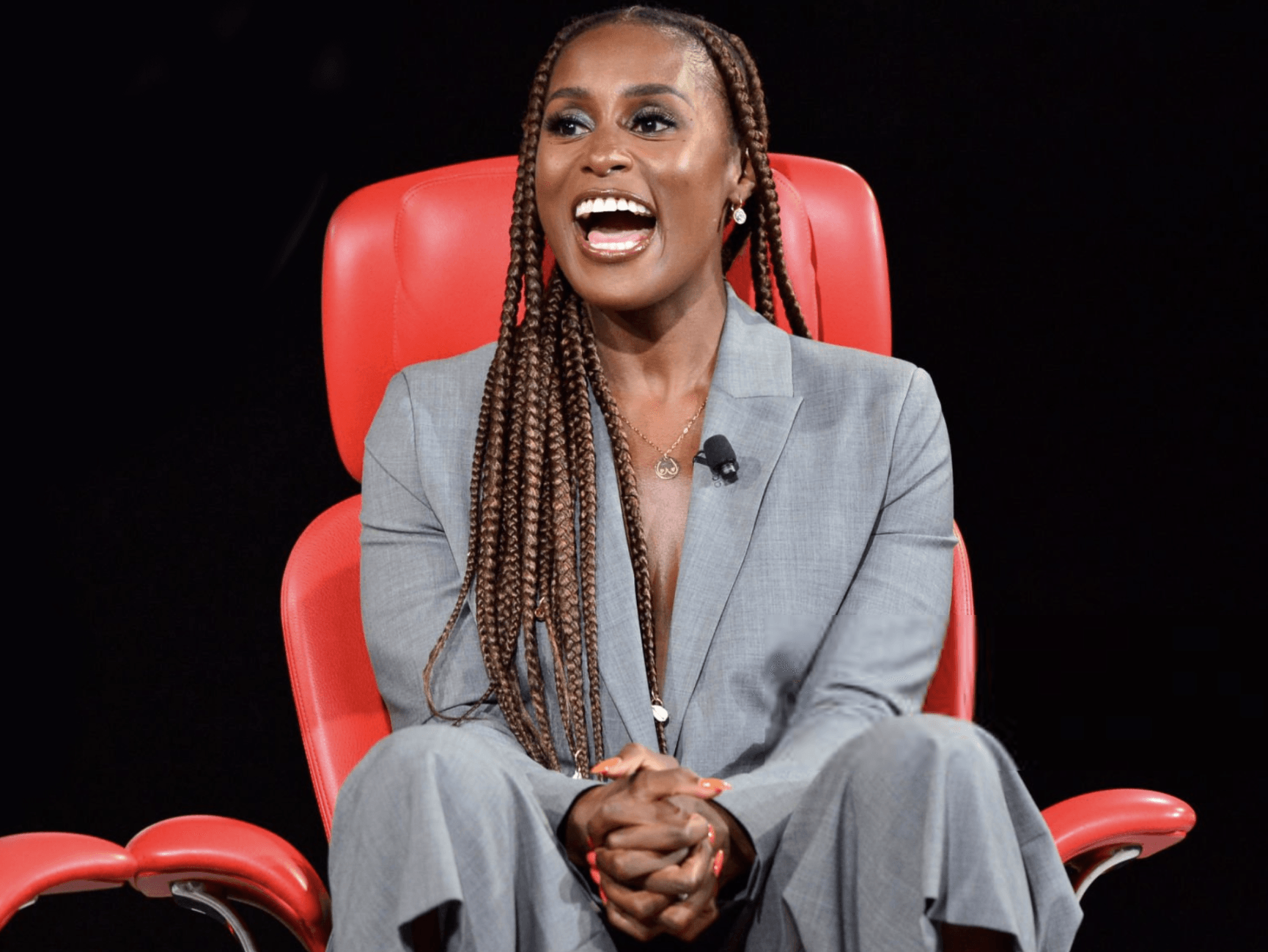
Producer, actress, and writer Issa Rae spoke with Laysha Ward, Target’s EVP & chief external engagement officer, during the 2020 Texas Conference for Women. Here are the highlights of the conversation, lightly edited for brevity and clarity: Laysha Ward: How did you learn how to be a successful entrepreneur and leader? Issa Rae: “I think once people see that you are serious about you, you’re serious about your product, serious about your journey, they are more inclined to come along for the ride with you.” She also added that it has helped to be a lifelong learner, know what she doesn’t know and be confident about what she does, working with passionate people, and being very collaborative. What are some of the most important things you learned about being a leader, especially in what remains a male-dominated industry? “Relying on my female peers. I foster a community of women who support one another. I think that’s essential because we’re constantly pitted against one another and underestimated and I think there’s nothing more valuable than a support group of women who understand and whose power, whose intelligence, whose drive you also respect and appreciate.” You have been so successful about bringing other women along. What has been your secret to success? “I’m drawn to other women because I appreciate the leadership values. A lot of the women that I’ve worked with in the past have been extremely ambitious but also very lax, and intelligent and knowledgeable. They’ve always had to do more. They’ve always had to compete and prove. I just seek out people who want this, who are innovative, are excited. I am just naturally drawn to passionate people because I feed off of that. I feel women have a special skill in terms of motivating people around them.” Some people do worry that as time goes on and we focus on recovering from COVID and a disrupted economy, the energy to confront racial injustice is going to take a backseat. What do you think we need to do to keep it alive amid all of these important priorities? “Unfortunately, part of the frustration is we’re going to have to do a lot of the work. I think black people have been doing the work to be recognized and to achieve equality and fairness for centuries now. But, while we continue to do that work, we have to have allies, white people specifically looking around and deciding to take action, deciding to hold one another accountable. Progress is only going to come when white people can recognize that we’re not equal. We don’t have the same opportunities. We’re operating at a deficit. It’s up to the people who understand existing systems to understand that and do something about it, and want to do something about it.” This articles originally appeared at Texas Conference for Women .
By Kim Anthony
•
October 4, 2022
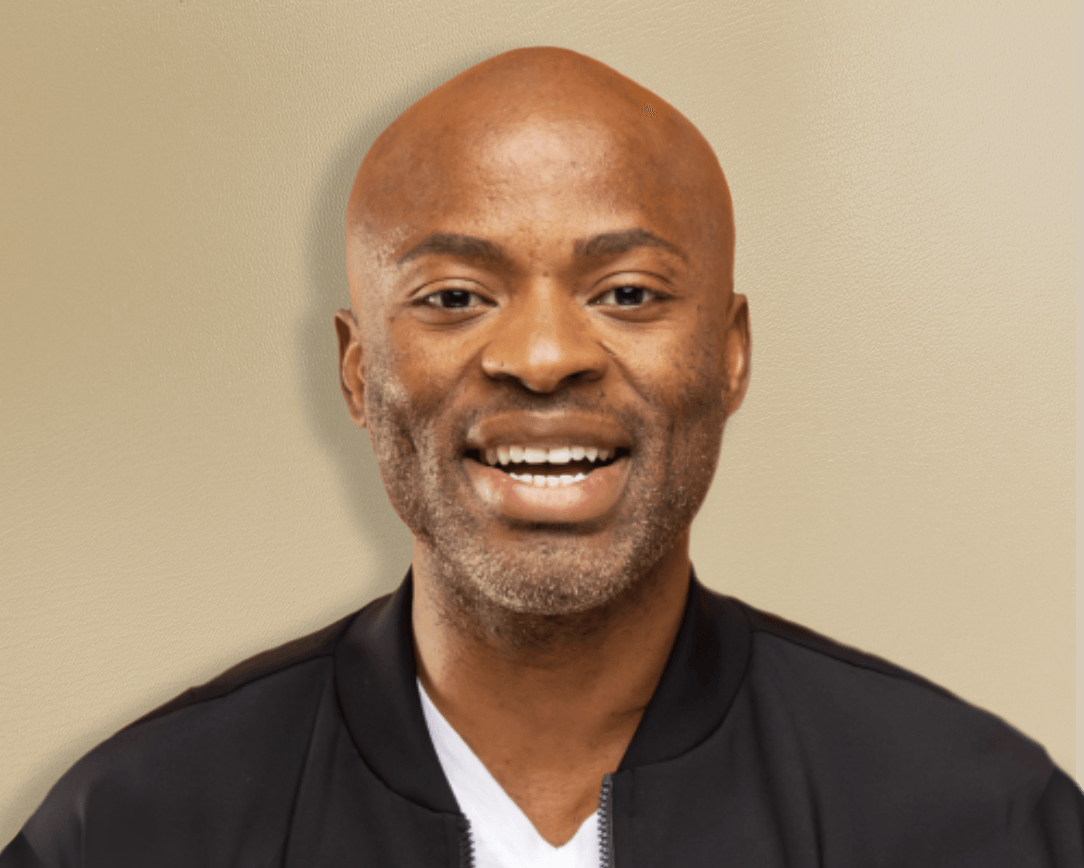
Tope Awotona , Founder, Calendly By: Sherrell Dorsey | The Plug

By Kim Anthony
•
October 1, 2022
Operation HOPE today announced HOPE One Million New Black Business & New Black Entrepreneurship Initiative (1MBB) and its goal to help create one million new Black-owned businesses in the U.S. by 2030. To realize this mission, Operation HOPE is working with leading global commerce company, Shopify, which intends to provide up to approximately $130 million of resources through 1MBB over the course of this initiative. Historically, the Black community has faced systemic barriers to entry that have prevented their full participation in the entrepreneurial journey. Together with Shopify, Operation HOPE aims to reduce these obstacles, encouraging more aspiring Black entrepreneurs to start and scale businesses, and provide them with the tools, resources, and education they may need to succeed. Operation HOPE research has shown that 58% of Black businesses were deemed at risk or distressed and suffering from low profits, low credit scores, or income shocks in the months immediately following the onset of the COVID-19 pandemic (April 2020). Over the course of the pandemic, the number of Black workers and business owners fell sharply, over 40%, a more severe economic impact compared to other racial groups. The pandemic’s disproportionate effects on Black businesses result in both acute and long-term impacts on Black families and future generations. At present, four in 10 Black adults belong to families in which someone lost a job, was furloughed, or had hours cut, or lost work-related income because of the COVID-19. To level the playing field, 1MBB intends to focus on critical tools for business success such as technology and resources, educational programs, and the opportunity to access capital. Through this program, Black business owners have the opportunity to sign up for Operation HOPE’s award-winning model of community uplift, financial literacy and education, and upon graduation, Shopify plans to provide aspiring Black entrepreneurs a tailored education with tools and resources to launch or expand their businesses. “Creating generational wealth through the creation of new Black businesses and Black entrepreneurs is a direct gateway to social justice. The creation of ownership, jobs and opportunity in a generation helps to strengthen democracy and ensure freedom through self-determination. This is empowerment at scale,” said John Hope Bryant, CEO and Founder of Operation HOPE. “To have Shopify actively supporting the 1MBB Initiative is a true game changer. Working together, we can scale our business creation platform to help underserved communities and enhance economic prosperity across America.” “At Shopify, we believe more independent voices make commerce better for everyone. That’s why we work to break down the barriers to entrepreneurship every day,” said Harley Finkelstein, Shopify President. “By collaborating with Operation HOPE and working together on our shared passion for helping underserved communities succeed, we believe we can help unlock even more economic opportunities for Black business owners across the country, leading to greater choices for shoppers everywhere.” To learn more about this initiative, visit www.HOPE1MBB.org . Organizations looking to work with Operation HOPE and Shopify to advance our mission to help more Black businesses build the future of commerce are encouraged to fill out a form through www.HOPE1MBB.org .
By Kim Anthony
•
October 1, 2022
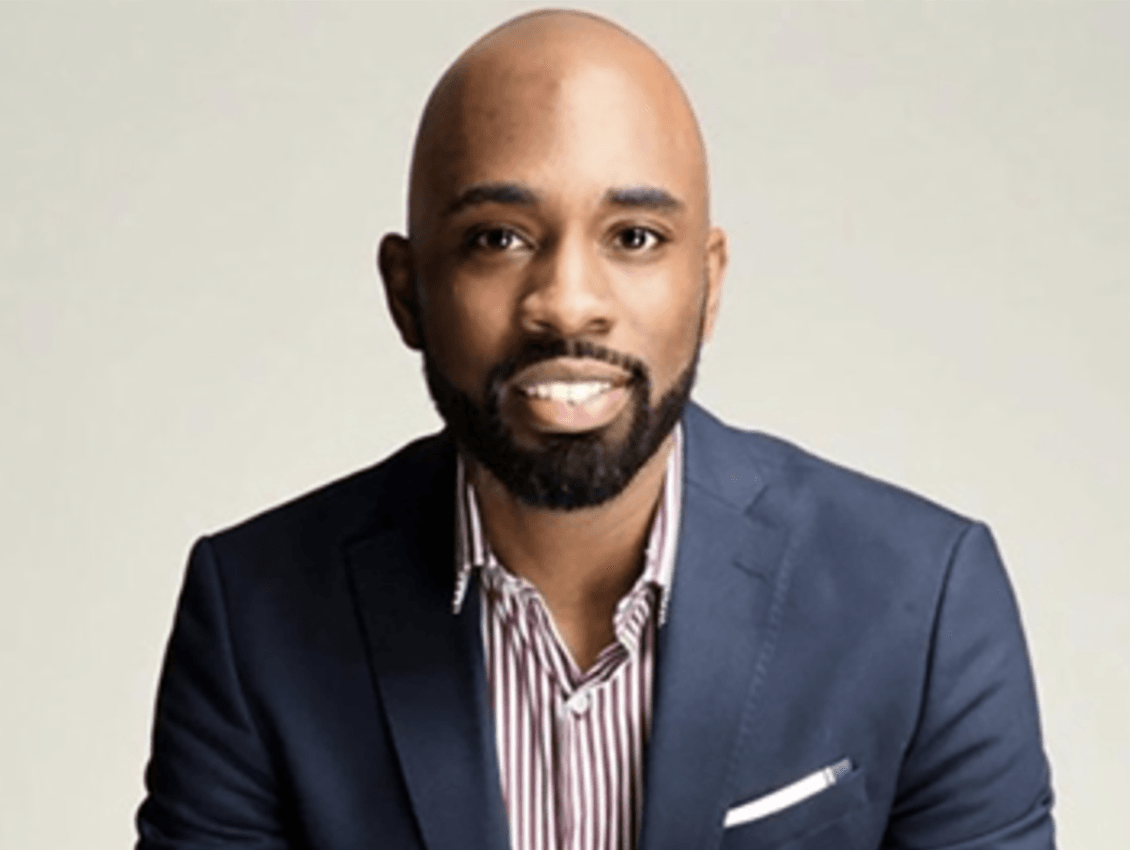
Meet Isaac Barnes, the young founder and President of Eminent Future , whose Black-owned tech firm has been awarded a $13.4 billion dollar defense contract with the U.S. Airforce and the U.S. Spaceforce. Isaac is a marvel, reminiscent of young Black leaders transcending generations of relevant and personable individuals who have made such an extraordinary mark in history. Hailing from Grand Rapids, Michigan, and growing up disadvantaged yet determined, Isaac's saga is one recognizable, with an unfamiliar progression. After dropping out of college, he would serve piously with the US Marines, where he prospered as a software engineer and data analyst supporting the Commandant of the Marine Corps. Isaac then went on to work for the Secretary of Defense to produce federal websites and digital products that saved millions of dollars for the Department of Defense. Isaac received numerous awards and accolades for his innovations. His passion for technology and being a steward for the people led him to serve with influence under both the Obama and Trump administrations. His team led the 2017 presidential records transition efforts for President Obama. Notwithstanding his apparent success and still seeking the need to serve by leading, Isaac went on to be the first Black multi-millionaire President of a Federal Digital Product and Innovation Company, Eminent Future. Serving as the President of Eminent Future, he has been paramount in securing a defense contract worth more than $13.4 billion whilst positioning the company to be one of the fastest-growing companies in Arlington, Virginia. Isaac emphatically states, "The biggest issue that we have in America is that we are not working together as one unit; we are not combined." Isaac combines leadership, entrepreneurship, technology, and spirituality to design growth opportunities within and between organizations and inclusive of communities to generate and instill that cohesive unity in America. On the heels of his remarkable accomplishments, Isaac, in conjunction with business partner Jose Risi established two crypto tokens, xMooney, and a stealth project. xMooney encourages its miners to reduce their carbon footprint while ensuring a more stable and secure blockchain. Now, Isaac is using his platform and resources to give back. He is a vocal advocate for diversity in tech and is working to close the black tech gap. His story inspires anyone who wants to make a difference in the world. He believes cryptocurrency and Web3 are the future, and he is creating pathways for more black and brown people to join the movement. About Isaac is a natural-born leader, and the President of Eminent Future, a digital product and innovation company focused on creating societal change, winning over $13B in federal contracts with the Pentagon, White House, and Department of State. He led software development teams for both President Obama and President Trump. He goes by Future President because he plans to run for office in the early 2030s and is passionate about helping to upgrade democracy, create pathways for more people to create generational wealth, and break generational curses using technology. More information can be found on IsaacBarnes.com and his company's website at EminentFuture.com
By Kim Anthony
•
September 2, 2022
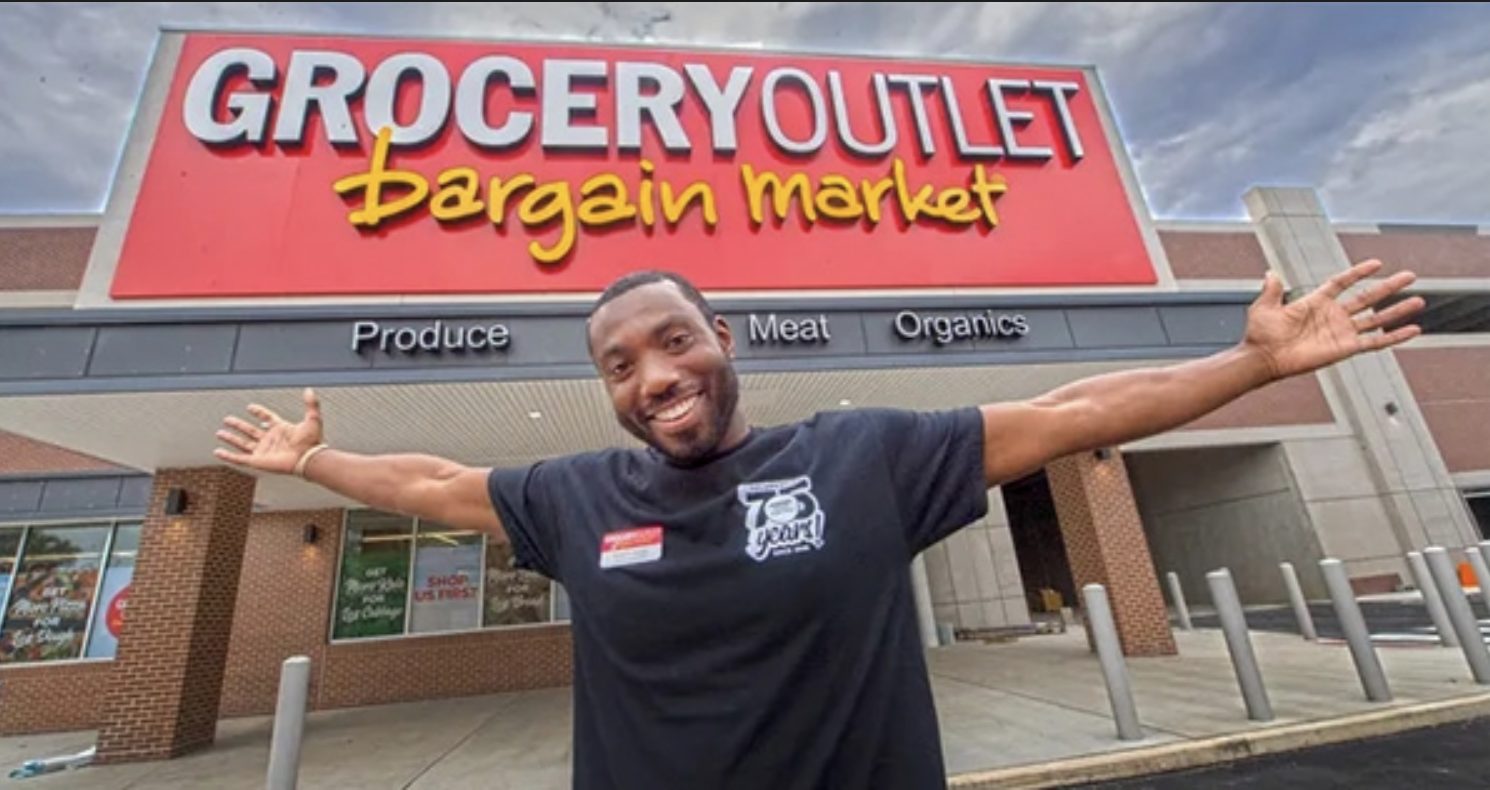
Donta Rose, a 28-year-old engineer and entrepreneur, has opened his own Grocery Outlet supermarket worth $5 million within a new development in his former neighborhood in Philadelphia, Pennsylvania. Rose, who studied at Morgan State University, an HBCU, was originally one of the engineers working to design stores for Grocery Outlet, a California-based retailer that has over 400 stores nationwide. Upon seeing that his old neighborhood in the Sharswood section of North Philadelphia is on the list of future store locations, he thought it would be a great opportunity to own it. That's when Rose used his savings and secured a loan to buy a franchise of the store, he told The Philadelphia Inquirer . Being conveniently located in the neighborhood where he mostly grew up, he is very familiar with it. He was aware that before he opened the store, there has been no major supermarkets since the 1960s and the closest one was nearly a mile away. Grocery Outlet offers name-brand and private-label products as well as dairy, bread, and fresh produce at low prices. Aside from making necessities more accessible to people in the community, the store also created new jobs. Moreover, Rose, who started helping in his grandparents' business when he was just 9 years old, is grateful to his family of entrepreneurs for supporting him in his endeavor. "My name is on the loan and my face might be on there [in-store signage], but my mom is going to be with me," he said. "My dad is actually out running right now to go pick up a safe for me and helping to grab stuff for the opening. My sisters are with me. So it's definitely going to be a family business, for sure."
By Kim Anthony
•
August 26, 2022
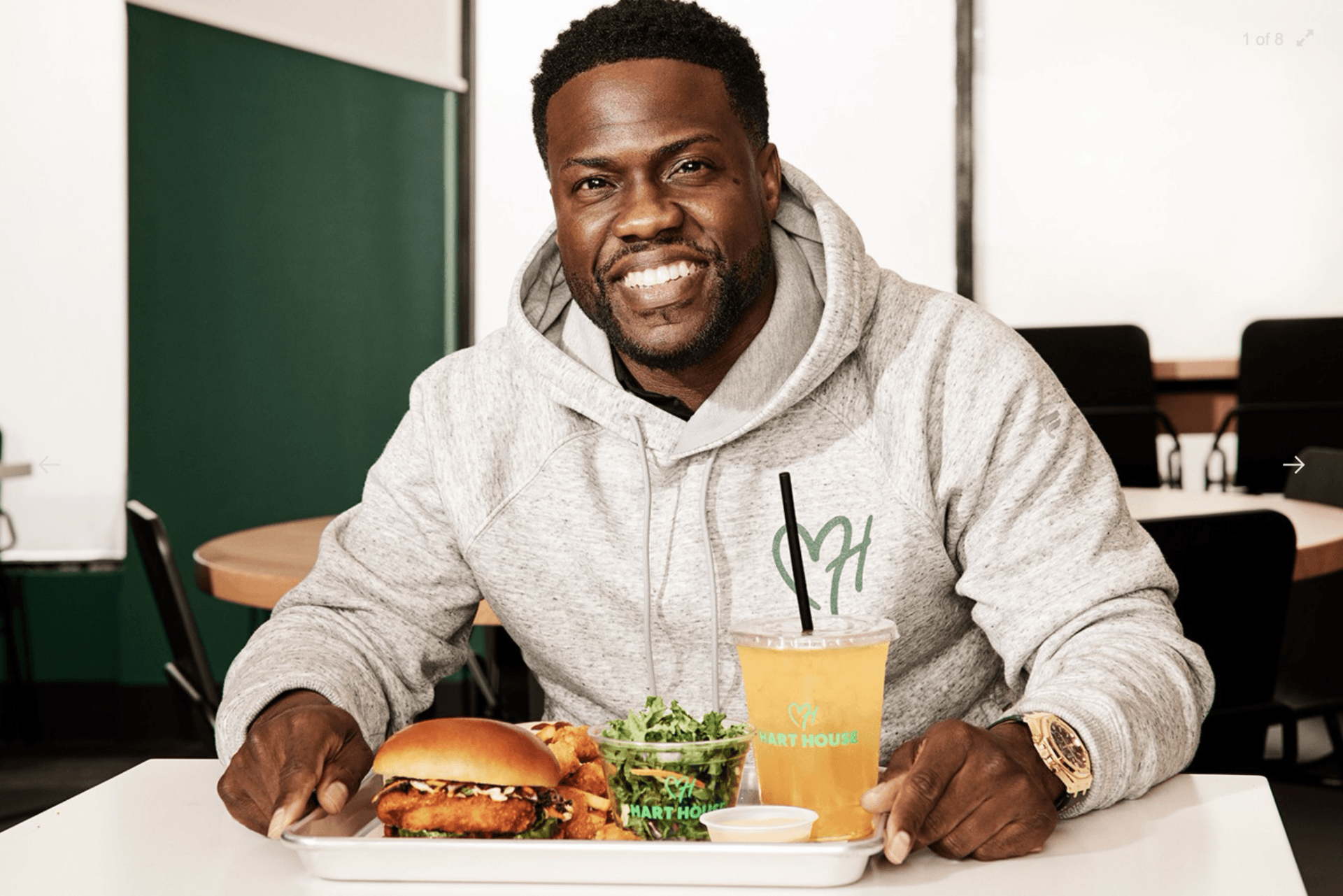
Hart House , the plant-based quick service restaurant that is dedicated to the overall well-being of people and our planet, announced the grand opening of its first location today in the Westchester neighborhood of Los Angeles. Hart House is founded by American comedian, actor and entrepreneur, Kevin Hart, while being led by CEO, Andy Hooper and Head of Culinary Innovation, Chef Mike Salem. On a mission to be "plant-based for the people," Hart House is not just creating "fast food" but food that will take us all faster into the future. "We've curated delicious, craveable food you know and love like burgers, shakes, nuggets and more," said Hart House CEO, Andy Hooper. "Our menu is the future of the industry; Hart House is revolutionizing quick service restaurants now and delivering a ground-breaking culinary experience that shatters the expectations of what plant-based food can be." Kevin and the Hart House team are committed to disrupting the quick-service industry with a plant-based alternative that is affordable and accessible to all. The delicious menu appeals to everyone, by featuring plant-based burg'rs, chick'n sandwiches, salads, nuggets, fries, tots and milkshakes without sacrificing craveability for conviction. All ingredients are 100% plant-based and are free of cholesterol, antibiotics, hormones, artificial colors, preservatives, high-fructose corn syrup, or trans fats. "As someone who has been preaching 'Health is Wealth', building Hart House felt like the natural evolution of my flexitarian lifestyle and my business ecosystem.'' said Kevin Hart. "I'm beyond proud of this industry-changing restaurant and the amazing team behind it working tirelessly to create delicious, sustainable food that delivers "Can't-Believe-It" flavor in every bite." In addition to providing a healthier alternative to its guests, Hart House leads with care for its employees, offering living wages and best-in-class benefits. They are committed to bringing positive change to the lives of those who serve and those who they serve. The new concept is also passionate about helping the larger community and will be donating 10% of opening day proceeds to Inner City Arts . Hart House's Westchester location boasts bright colors and a fresh design with the help of Kai Williamson's team made up entirely of women of color whose work includes The Gathering Spot, Sovereign Brands, and Blk Swan. The back wall features a colorful mural with the words, "Change You'll Crave" designed by Nicollete Santos whose recent work includes Harley Davidson, Marvel, and Nike. The restaurant includes a sprawling 3090 sqft space on a corner lot within a retail shopping strip located near LAX with 30 interior seats, 8 future exterior seats, and ADA access. Hart House has two additional restaurants currently under construction, several more signed leases, and is targeting to open as many as ten restaurants over the next twelve months. The first location, Hart House Westchester, is located at 8901 S Sepulveda Blvd Los Angeles, CA 90045. Hours of operation are from 11am-9pm.
By Kim Anthony
•
August 16, 2022
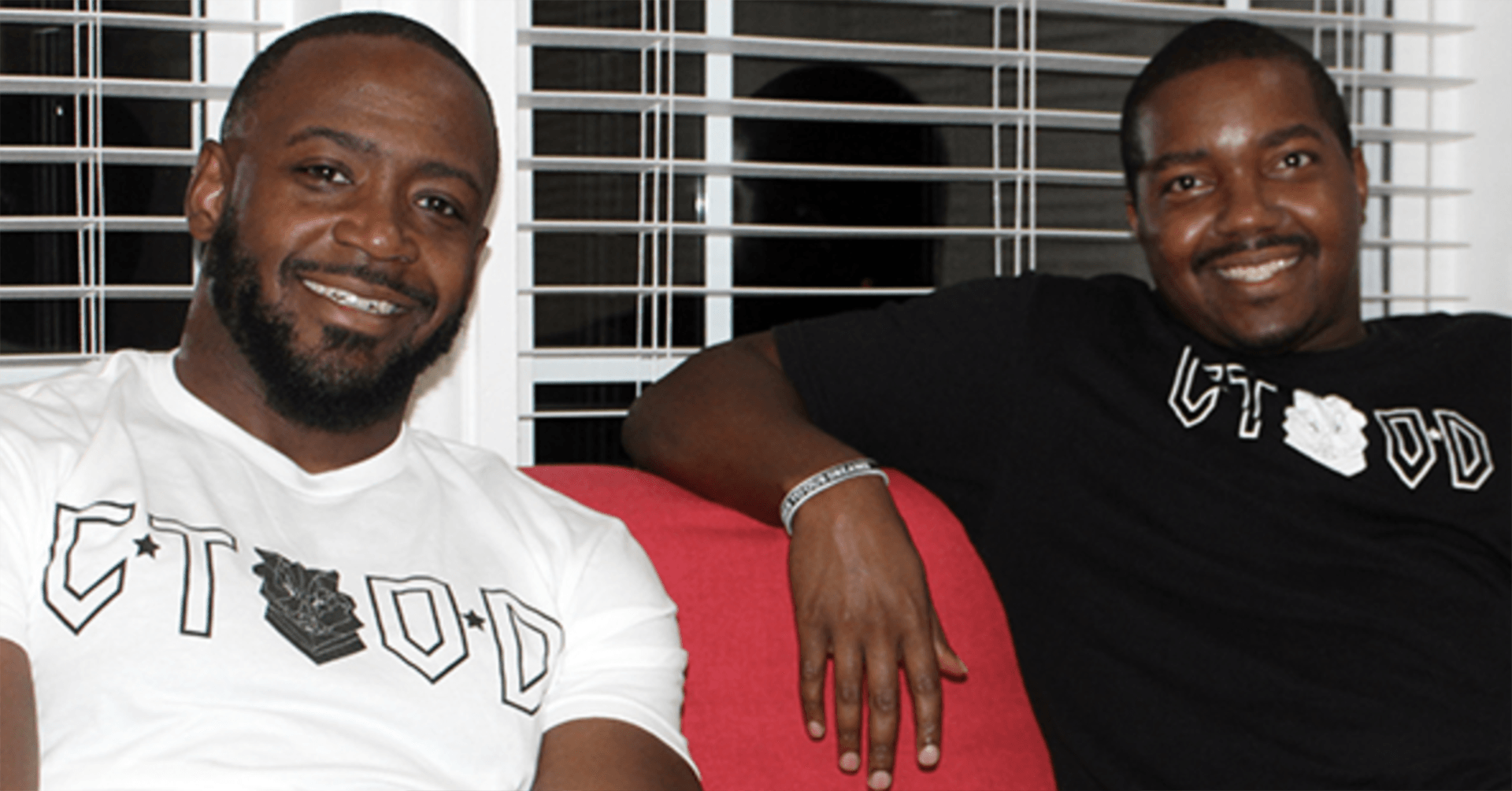
Meet Dovév Weaver and his cousin, Elliot Martin, the co-founders of Closer To Our Dreams LLC , a business development and marketing consulting company based in St. Petersburg, Florida, that is on a mission to help 10,000 aspiring Black entrepreneurs successfully launch a business this year. Their company will be mentoring and coaching success-oriented individuals for 12 weeks through their Dreams to Reality Academy, and also taking their entrepreneurship bootcamps to ten states across the country. Dovév, popularly known as Coach D, has reiterated his commitment to inspiring the masses to start going after their goals and dreams daily. He and his team at Closer To Our Dreams LLC (C.T.O.D.) have grown in popularity in recent times, helping people from all walks of life to reach their full potentials by personifying the experience. In fact, they have mastered the art of helping different categories of clients - including organizations, schools, students, and adults to go after their dreams with passion. Even more, everyone who he mentors is given access to the same law firm, accounting firm, and government contracting company of C.T.O.D., as well as tickets to upcoming events. His cousin, Elliot, who is co-founder of the company, says, “When we launched our business, our goal was always to be a Global company. Our focus is on helping as many people as we can live life on their terms.” Coach D says, “Our goal at Closer To Our Dreams is to close the wealth gap between minorities and give people access to information that has been hidden from the masses for decades. We won’t stop until everyone knows about entrepreneurship. We want our company to be the number one resource when someone wants to start a business.” "Millions of people across the globe often fail to live their dreams, a phenomenon that experts have attributed to limiting beliefs. Over the years, several initiatives and resources have been developed to help persons in such a situation. Unfortunately, many of such resources have abstract content that people can hardly relate with, ultimately failing to deliver the desired results. This is why our company was launched," he adds. For more information about the 1-on-1 coaching and other programs from Closer To Our Dreams LLC, visit CloserToOurDreams.com
Breaking News

By Urban Business Journal · Inland Empire
•
July 10, 2026
(Photo: Adobe Stock

By Kim Anthony
•
July 10, 2026
(Illustration: Courtesy of National CORE)

By Urban Business Journal - Inland Empire
•
July 10, 2026
(Photo: National CORE)
By Kim Anthony
•
April 3, 2026
(Photo: National CORE)

By Kim Anthony
•
January 1, 2026
For years, entrepreneurship praised the founder who could reinvent everything at a moment’s notice. The message was clear: stay flexible, pivot fast, change direction as often as necessary, and somehow the breakthrough would appear. Many people built survival on that skill. They learned to adjust when doors closed, when opportunities weren’t equal, when the plan didn’t work the first time. Reinvention became a way of staying afloat. But as we move through 2026, a different truth is beginning to emerge. The entrepreneurs gaining real traction are no longer the ones constantly starting over. They are the ones who stop scattering their energy and begin refining what already works. Instead of creating new lanes every few months, they choose one, strengthen it, deepen it, and let it mature. They discover that progress doesn’t always mean doing something new — sometimes it means doing something familiar with greater clarity, confidence, and excellence. Pivoting still has its place. Sometimes strategy really must shift. Conditions change, industries evolve, technology resets everything, and adaptation remains necessary. But pivoting as a lifestyle creates instability. When everything is always new, nothing ever has time to root. Every reinvention requires new branding, new storytelling, new systems, new audiences, and new emotional effort. Living in constant restart mode drains momentum. Eventually, the business feels like a collection of beginnings rather than a sustained journey toward mastery. In 2026, wisdom looks different than it once did. It is less about speed and more about steadiness. Instead of running toward every opportunity, focused entrepreneurs slow down long enough to ask whether the opportunity actually belongs to them. They recognize that not every trend deserves their attention. AI tools rise. Digital platforms expand. New marketing tactics promise instant success. And yet, the founders who are growing most meaningfully are not the ones chasing everything — they are the ones staying grounded in the work that truly aligns. Depth has become more powerful than distraction. There is something magnetic about a business that knows who it is and remains faithful to its identity. When a founder shows up consistently in the same lane, people begin to trust them. Over time, reputation forms. Word-of-mouth strengthens. Clients return because they recognize quality and commitment. What once felt narrow reveals itself as strength. The more deeply you plant, the wider your roots spread. This is why focus is not restriction — it is liberation. When you choose direction, your mind quiets. Decisions stop feeling chaotic. Messaging becomes clearer. Operations can finally stabilize. Instead of constantly rewriting your story, you allow your story to mature. Your calendar becomes intentional rather than frantic. Your identity as a business becomes recognizable, not blurry. Focus removes clutter and gives your effort a home. For many entrepreneurs, especially those who have had to operate in survival mode, narrowing feels risky. There is an instinct that says, “If I don’t do everything, I might miss something.” That instinct came from real experience. But 2026 invites a different kind of trust — trust that your work deserves depth, trust that commitment creates growth, and trust that excellence requires time. Mastery is not about doing more; it is about doing what matters with increasing skill and integrity. The future will not reward endless dabbling. It will reward builders — people who stay long enough to refine, improve, and evolve. Focus gives your business the stability needed to build legacy instead of just movement. It turns scattered effort into meaningful direction. It allows clients to recognize your voice, your values, and your contribution. And perhaps most importantly, focus allows you to breathe. When you stop chasing everything, you finally have the space to become who you are meant to be in business — grounded, confident, steady, and ready for the kind of growth that lasts. Because in 2026 and beyond, focus is not limitation. Focus is liberation.

By Kim Anthony
•
January 1, 2026
For years, entrepreneurship was framed almost entirely through the lens of tactics. If you had the right software, the right plan, the right strategy, the right advisor, the right funnel — you were told success would follow. The story was simple: outwork everyone, optimize everything, and eventually life would reward your persistence. But as we move through 2026, that narrative is showing cracks. Many founders did everything “right” and still found themselves exhausted, discouraged, and unsure how to keep going. That shift forced a deeper question: what if the missing ingredient isn’t another tool or tactic — but the strength to remain steady when everything feels uncertain? Because the reality is this: the market is unpredictable. Technology moves so quickly that what felt cutting-edge two years ago can feel outdated now. Customers change, industries shift, opportunities arrive and disappear, and sometimes circumstances outside your control apply pressure you didn’t ask for — economy, health, family obligations, or structural barriers others never have to think about. When that pressure hits, strategies alone cannot hold you. Something internal must steady you — something rooted not in hustle, but in resilience. In 2026, emotional steadiness is no longer being viewed as a bonus trait for entrepreneurs. It is becoming part of the operational blueprint. If cash flow dips, if a partnership fails, if a launch falls flat, or if life disrupts the plan, resilience determines whether you collapse or recalibrate. It is the difference between seeing a setback as proof you aren’t capable — versus seeing it as data, feedback, and an invitation to adapt. Resilience, at its core, is not pretending nothing hurts. It is learning to be honest about the disappointment without being consumed by it. It is acknowledging pressure and choosing presence anyway. It is understanding that emotional regulation — the ability to breathe, reflect, and respond instead of react — is not weakness. It is leadership. Entrepreneurs especially need this kind of strength when they are carrying more than a personal dream. Some are building because families are counting on them. Communities are watching. Younger generations are looking for proof that new paths are possible. When the mission feels deeply personal, the weight grows heavier — and the temptation to push beyond healthy limits becomes stronger. Without resilience, the mission becomes a burden. With resilience, the mission becomes fuel. What’s changing in 2026 is the relationship founders have with themselves. Instead of glorifying burnout, many are finally allowing rest to count as strategy. They are recognizing that crossing the line into chronic exhaustion leads to poor decision-making, short tempers, financial mistakes, strained relationships, and lost passion. A burned-out leader cannot steward vision well. They react instead of discern. They chase survival instead of guiding from purpose. Resilient entrepreneurs are choosing a different approach. They are building rhythms of care into their routines — quiet time, movement, therapy, prayer, journaling, coaching, or anything that grounds them. They are surrounding themselves with people they don’t have to impress. They are learning that asking for help does not shrink authority — it protects it. They are redefining strength from “I can handle everything” to “I don’t have to carry this alone.” And slowly, something beautiful happens. The fear-driven tension softens. Decisions become clearer. Creativity returns. Perspective widens. Instead of clinging to every opportunity, founders begin choosing better ones. Instead of operating from scarcity, they begin to operate from stability. That shift changes everything — revenue, relationships, team culture, even health. Resilience also reframes failure. In older entrepreneurial culture, failure carried shame. Today, resilient leaders interpret failure as refinement. They ask different questions: What is this teaching me? What isn’t aligned? What can be improved? Where am I called to grow? They understand that progress is not linear, and endurance often matters more than perfection. At its deepest level, resilience is about protecting the person who is doing the building. Business can be rebuilt. Programs can be redesigned. Offers can evolve. But if the founder collapses under pressure, the entire vision collapses with them. Emotional resilience ensures the vision has a future — not because things never go wrong, but because you’ve learned how to stay grounded when they do. That’s why, in 2026, resilience is being recognized not as soft inspiration, but as structural support. Just as businesses invest in insurance, financial systems, and technology infrastructure, wise founders are now investing in the stability of their own inner lives. They are choosing therapy over silent suffering. Boundaries over burnout. Rest over guilt. Community over isolation. Reflection over constant reaction. The truth is simple and sobering: some of the most brilliant ideas never failed because they lacked potential. They faded because the person carrying them ran out of emotional strength. Resilience gives brilliance room to breathe. It buys time. It creates space for breakthroughs. It keeps you standing long enough to see opportunity again. This is the mindset shift of 2026: success is not just measured by revenue, expansion, or accolades. It is also measured by whether you remain healthy, mentally steady, spiritually anchored, and emotionally available to your life beyond business. The goal isn’t simply to build something impressive — it is to still be present, alive, and whole enough to enjoy it. And that, more than any algorithm or strategy, determines lasting impact.

By Kim Anthony
•
January 1, 2026
Branding in 2026 is no longer just about design or clever taglines. It has evolved into identity, credibility, relationship, and opportunity. For many founders who have had to push harder to be recognized and taken seriously, branding has become a true strategic advantage. Customers are paying attention in new ways — not only to what businesses sell, but to who leads them, what they believe, and how consistently they show up. They are craving authenticity, alignment, and meaning. 1. Founder visibility moves center stage. More than ever, people want to see the human being behind the brand. They want to understand the “why,” the values, and the journey. Entrepreneurs who share their stories, speak publicly, write, teach, and invite others into behind-the-scenes moments develop deeper trust. In a skeptical marketplace, a real, relatable presence becomes one of the strongest branding tools available. 2. Small communities become more powerful than big audiences. Instead of chasing viral moments or massive follower counts, more founders are building intentional spaces — memberships, masterminds, close-knit email lists, and digital communities where conversations feel personal. These communities foster resilience, referrals, support systems, and shared opportunity, creating stronger brands than social feeds alone ever could. 3. Cultural storytelling becomes strategic advantage. Brands that are rooted in lived experience, heritage, neighborhood, and authentic personal history stand out. Whether through food, fashion, wellness, education, or media, stories anchored in truth create connection. Real stories are no longer optional — they are becoming the heartbeat of strong brands. 4. AI becomes a creative partner instead of a replacement. Technology is accelerating branding, especially through AI tools that help with brainstorming, research, writing, and design. But the brands that rise to the top pair technology with humanity — adding nuance, emotion, and voice. Leaders who use AI thoughtfully gain efficiency without losing authenticity. 5. Trust and credibility become the new currency. With so much noise online, people naturally ask why they should believe what they see. Certifications, media features, speaking appearances, testimonials, awards, published content, and strong partnerships all serve as signals that a brand is real, reliable, and capable. These credibility markers open doors that talent alone cannot. 6. Alignment matters more than aesthetics. A beautiful logo or sleek website cannot compensate for misalignment. When messaging, visuals, pricing, customer experience, and leadership behavior match, trust deepens. When they don’t, audiences feel the disconnect and quietly disengage. Alignment is becoming one of the quiet superpowers of strong brands. 7. Thought leadership becomes a growth engine. Consumers no longer want only products — they want perspective. Entrepreneurs who share insights, create frameworks, challenge assumptions, and lead meaningful conversations become recognized as authorities. Their businesses grow because their thinking helps people make sense of their world. 8. Collaboration replaces competition as the default strategy. More entrepreneurs are choosing to partner instead of compete. Co-branded events, shared offers, podcast swaps, cross-promotions, and ecosystem partnerships allow brands to multiply visibility and impact. Collaboration signals confidence and creates opportunities none of the partners could access alone. 9. Purpose-driven branding rises to the forefront. Customers increasingly want to know what a business stands for — who it serves, why it matters, and how it contributes to something larger than profit. When purpose is authentic and clearly communicated, it attracts loyalty and deeper engagement. Purpose provides clarity, and clarity attracts the right people. 10. The health of the leader shapes the health of the brand. There is growing recognition that burnout shows up everywhere — in messaging, marketing, customer experiences, and decision-making. Rest, boundaries, mentorship, team support, and sustainable systems are now part of serious branding conversations. A grounded leader creates a grounded brand. In 2026, branding is not about shrinking to fit someone else’s expectations. It is about honoring your story, your excellence, and your voice — and allowing your business to reflect that truth. When entrepreneurs build brands with clarity, courage, and alignment, they don’t just compete. They create legacies.
By Kim Anthony
•
January 1, 2026
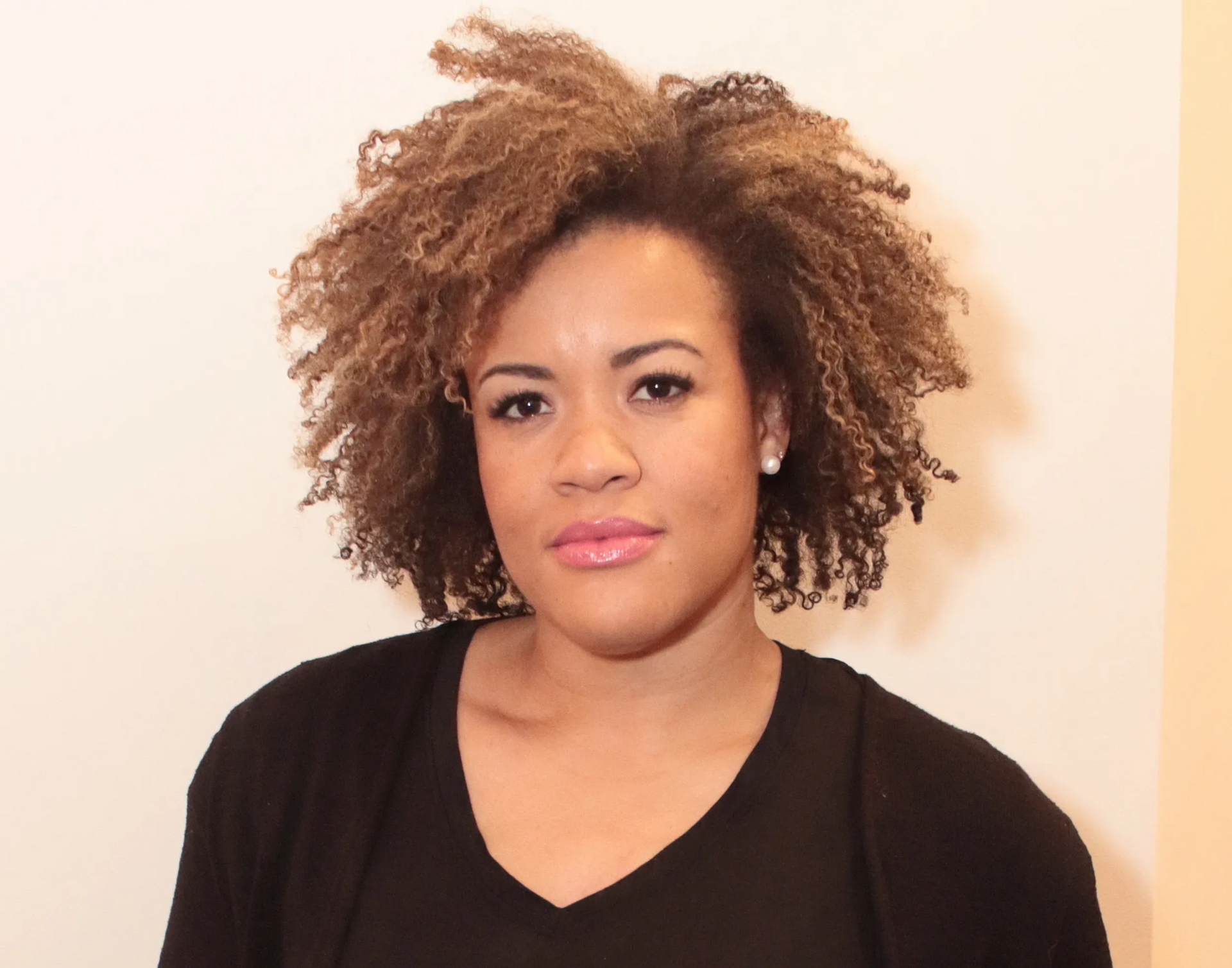
When Hakika Wise launched Kika Stretch Studios, she wasn’t just opening a business. She was creating a wellness movement built around freedom — freedom from tension, stress, and the physical wear-and-tear that weighs so many people down. Building a Stretch Revolution Kika Stretch Studios began as a single studio with a simple mission: help people feel better in their own bodies. As demand grew, Hakika realized something important — she couldn’t scale alone. “I knew that I couldn’t expand with the speed I wanted to on my own,” she explains. “Franchising allowed others to join me — and make a living doing something meaningful.” Franchising opened the door for entrepreneurs to step into a business model designed to be fulfilling, flexible, and community-centered. Turning Pain Into Purpose One of the defining moments in Hakika’s journey came when disaster struck: her first studio caught fire. Instead of closing, she moved operations into the basement of a church — and kept going. For nine months, her team showed up, served clients, and grew. The lesson? “I realized it wasn’t about me anymore. It was about showing up for the community that depended on us.” Persistence became part of the brand culture — and the studio came back stronger. Vision for Growth Today, Kika Stretch Studios continues to grow as a leader in assisted stretching — with a clear goal to scale significantly over the next several years, while staying grounded in quality care and client experience. Wisdom for Aspiring Entrepreneurs Hakika’s advice is simple, but powerful: Trust your potential. Tune out the naysayers. Surround yourself with people who believe in you. Never quit on your vision. “Surround yourself with people who believe in you — and never give up.” — Hakika Wise Creating Space for Black-Owned Franchises Hakika is passionate about seeing more Black entrepreneurs enter the franchise world — not just as operators, but as system owners and leaders. Education, she says, is key. Through her Instagram platform, @the_school_of_franchising, she teaches lessons, shares insights, and helps aspiring franchise owners believe in what’s possible. Says Hakika, “If I could build this, others can too.” And that’s the true heart of the Kika Stretch story — not just stretching bodies, but stretching possibility. Photo: Medium - Authority Magazine

By Kim Anthony
•
January 1, 2026
In communities across America, Black women are not just starting businesses — they are moving economies, shifting industries, and redefining what resilience looks like. According to Wells Fargo’s landmark study, The 2025 Impact of Women-Owned Businesses, Black/African American women entrepreneurs now operate nearly 2 million businesses, employing 647,000 people and generating $118.7 billion in revenue. These aren’t side hustles. They are engines — for families, neighborhoods, and the nation. And the report makes one truth undeniable. Closing the opportunity gap for Black women entrepreneurs isn’t charity. It’s economic strategy. Closing the Parity Gap Could Add Trillions Despite extraordinary gains, Black women still face higher barriers to capital, mentorship, networks, and procurement pipelines. Wells Fargo estimates that if Black/African American women entrepreneurs generated revenue on par with male-owned businesses, the nation could see up to $1.7 trillion added to the economy. The potential is not hypothetical — it is measurable. Policies that address wage inequities, expand access to capital, increase training opportunities, and open professional networks are essential. When these supports exist, the study shows, Black women entrepreneurs do far more than survive. They scale. They hire. They build wealth that ripples through generations. Capital is Expanding — and Awareness Must Catch Up Encouragingly, the financial landscape is widening. Wells Fargo highlights that more women are leveraging diverse financing pathways — particularly those designed with equity in mind. Among the most promising: Community Development Financial Institutions (CDFIs) Approval rates comparable to traditional lenders A 40% increase in certified organizations since 2018 Technical assistance + affordable capital bundled together The Wells Fargo “Open for Business” Initiative Flexible capital — grants, low-cost loans, forgiveness options — paired with capacity-building support helps women-owned businesses stabilize, grow, and create jobs, especially in underserved communities. SBA Lending Gains Women’s share of SBA loans has grown from 15.6% to 21.3% — a meaningful jump. Investment Crowdfunding A lifeline for founders outside major financial hubs, with 70% of capital coming from beyond the top 10 U.S. markets. State Small Business Credit Initiative (SSBCI) A $10 billion Treasury program unlocking private investment with a bold vision — including dedicated funding for equitable entrepreneurship through the Initiative for Inclusive Entrepreneurship. The opportunity — and the challenge — is awareness. Women must know which financial tools fit their stage and strategy, and ecosystems must ensure these resources remain accessible. Procurement: The Billion-Dollar Doorway When corporations and governments intentionally source from Black women-owned firms, the impact is exponential. Revenue grows. Jobs follow. Supply chains strengthen. Inclusive procurement isn’t just about fairness — it makes economies more competitive. Culture, Community, and Commerce Black women-owned businesses do something uniquely powerful: they build solutions from cultural insight. From beauty and wellness to technology, food, fashion, and media, these businesses grow from deep community understanding — and often expand into mainstream markets. They carry heritage. They create belonging. And increasingly, they shape national consumer trends. Building Ecosystems — Not Just Enterprises To truly unlock potential, the report calls for intentional infrastructure: Technology hubs and incubators Affordable marketplaces Co-working spaces designed for women founders Stronger public–private partnerships Investment in digital and physical infrastructure — including rural regions Fair, transparent lending practices Because entrepreneurship doesn’t flourish in isolation — it thrives in ecosystems. When Black women succeed in business, communities stabilize, families thrive, and the entire economy rises.

By Kim Anthony
•
January 1, 2026
Senior U.S. Judge Thomas Thrash has ruled that the Fearless Fund, a venture capital firm based in Atlanta, can continue its grant program exclusively tailored for Black women entrepreneurs. The judge said the lawsuit challenging the practice, which argued it unlawfully excluded individuals of other races, was unlikely to succeed. The Fearless Fund, while a relatively small player in the global venture capital market, has come to symbolize the broader debate surrounding corporate diversity policies. However, the lawsuit against the organization may set a precedent as discussions on race considerations evolve within the workplace, particularly in light of the U.S. Supreme Court’s recent ruling in June ending affirmative action in college admissions. Sign up for our Daily eBlast to get coverage on Black communities from the media company who has been doing it right for over 133 years. Edward Blum, an anti-affirmative action activist well-known for his involvement in the Supreme Court’s June college admissions cases, is the head of the nonprofit American Alliance for Equal Rights, which requested the preliminary injunction. Blum has expressed plans to appeal the decision, claiming that civil rights laws prohibit racial distinctions based on overrepresentation or underrepresentation. The Fearless Strivers Grant Contest, which awards $20,000 to Black women entrepreneurs, remains at the center of the lawsuit. Blum argues that this contest violates a section of the Civil Rights Act of 1866, which prohibits racial discrimination in contracts. He claims that members outside the specified racial category are excluded. Judge Thrash contended that the grants constituted “charitable donations” aimed, in part, at acknowledging the discrimination faced by Black women business owners. He asserted that such donations are protected as “expressive conduct” under the First Amendment. The judge criticized the alliance’s attempt to alter the fund’s intended message. Gilbert Dickey, an attorney for the alliance, pointed out that the grant program does not extend to other racial minorities, including Hispanics. He argued that privileging one race over others violates First Amendment protection. The Fearless Fund maintains that its objective is to remove the obstacles that keep companies run by women of color from getting venture capital funding. “We will continue to run the nation’s first venture capital fund that is built by women of color for women of color,” declared Fearless Fund CEO and co-founder Arian Simone. “We realize there is still a long road ahead, but today we remain fearless and steadfast in creating pathways that empower women of color entrepreneurs.” Data from the nonprofit advocacy group Digital Undivided shows that less than 1 percent of venture capital funding goes to businesses owned by Black and Hispanic women. Founded in 2019, the Fearless Fund conducts the grant contest quarterly, with eligibility criteria stipulating that a business must be at least 51 percent owned by a Black woman, among other requirements. The NAACP Legal Defense Fund, the National Women’s Law Center, and the Gibson, Dunn, and Crutcher law firm have supported the Fearless Fund in fighting Blum’s lawsuit. Prominent figures, including civil rights advocate Ben Crump, have rallied to defend the Fearless Fund against allegations of discrimination. The Fearless Fund has invested over $26.5 million in businesses run by women of color with the support of industry titans like JPMorgan Chase and Mastercard. They have also awarded grants exceeding $3 million to Black women-owned businesses. Jason Schwartz, a partner at Gibson Dunn, stressed the importance of offering grants to Black women small business owners to achieve economic freedom. Alphonso David, another of the Fearless Fund’s lawyers, president, and CEO of the Global Black Economic Forum, condemned Blum’s claims as baseless attempts to subvert existing law. He affirmed their commitment to defend the Fearless Fund and its crucial work vigorously. “Today, the playing field is not level – that is beyond dispute,” David asserted in an earlier statement. “Those targeting Fearless Fund want to propagate a system that privileges some and shuts out most. They want to pretend that inequities do not exist. They want us to deny our history.” This article was originally published by NNPA Newswire.
money, business & career
By Kim Anthony
•
October 7, 2022
Milestone Expansion of HOPE Inside’s Financial Coaching Model for Underserved Communities Coincides with Today’s Annual U.S. Treasury Freedman’s Bank Forum
By Kim Anthony
•
October 5, 2022
Producer, actress, and writer Issa Rae spoke with Laysha Ward, Target’s EVP & chief external engagement officer, during the 2020 Texas Conference for Women. Here are the highlights of the conversation, lightly edited for brevity and clarity: Laysha Ward: How did you learn how to be a successful entrepreneur and leader? Issa Rae: “I think once people see that you are serious about you, you’re serious about your product, serious about your journey, they are more inclined to come along for the ride with you.” She also added that it has helped to be a lifelong learner, know what she doesn’t know and be confident about what she does, working with passionate people, and being very collaborative. What are some of the most important things you learned about being a leader, especially in what remains a male-dominated industry? “Relying on my female peers. I foster a community of women who support one another. I think that’s essential because we’re constantly pitted against one another and underestimated and I think there’s nothing more valuable than a support group of women who understand and whose power, whose intelligence, whose drive you also respect and appreciate.” You have been so successful about bringing other women along. What has been your secret to success? “I’m drawn to other women because I appreciate the leadership values. A lot of the women that I’ve worked with in the past have been extremely ambitious but also very lax, and intelligent and knowledgeable. They’ve always had to do more. They’ve always had to compete and prove. I just seek out people who want this, who are innovative, are excited. I am just naturally drawn to passionate people because I feed off of that. I feel women have a special skill in terms of motivating people around them.” Some people do worry that as time goes on and we focus on recovering from COVID and a disrupted economy, the energy to confront racial injustice is going to take a backseat. What do you think we need to do to keep it alive amid all of these important priorities? “Unfortunately, part of the frustration is we’re going to have to do a lot of the work. I think black people have been doing the work to be recognized and to achieve equality and fairness for centuries now. But, while we continue to do that work, we have to have allies, white people specifically looking around and deciding to take action, deciding to hold one another accountable. Progress is only going to come when white people can recognize that we’re not equal. We don’t have the same opportunities. We’re operating at a deficit. It’s up to the people who understand existing systems to understand that and do something about it, and want to do something about it.” This articles originally appeared at Texas Conference for Women .
By Kim Anthony
•
October 4, 2022
Tope Awotona , Founder, Calendly By: Sherrell Dorsey | The Plug
By Kim Anthony
•
October 1, 2022
Operation HOPE today announced HOPE One Million New Black Business & New Black Entrepreneurship Initiative (1MBB) and its goal to help create one million new Black-owned businesses in the U.S. by 2030. To realize this mission, Operation HOPE is working with leading global commerce company, Shopify, which intends to provide up to approximately $130 million of resources through 1MBB over the course of this initiative. Historically, the Black community has faced systemic barriers to entry that have prevented their full participation in the entrepreneurial journey. Together with Shopify, Operation HOPE aims to reduce these obstacles, encouraging more aspiring Black entrepreneurs to start and scale businesses, and provide them with the tools, resources, and education they may need to succeed. Operation HOPE research has shown that 58% of Black businesses were deemed at risk or distressed and suffering from low profits, low credit scores, or income shocks in the months immediately following the onset of the COVID-19 pandemic (April 2020). Over the course of the pandemic, the number of Black workers and business owners fell sharply, over 40%, a more severe economic impact compared to other racial groups. The pandemic’s disproportionate effects on Black businesses result in both acute and long-term impacts on Black families and future generations. At present, four in 10 Black adults belong to families in which someone lost a job, was furloughed, or had hours cut, or lost work-related income because of the COVID-19. To level the playing field, 1MBB intends to focus on critical tools for business success such as technology and resources, educational programs, and the opportunity to access capital. Through this program, Black business owners have the opportunity to sign up for Operation HOPE’s award-winning model of community uplift, financial literacy and education, and upon graduation, Shopify plans to provide aspiring Black entrepreneurs a tailored education with tools and resources to launch or expand their businesses. “Creating generational wealth through the creation of new Black businesses and Black entrepreneurs is a direct gateway to social justice. The creation of ownership, jobs and opportunity in a generation helps to strengthen democracy and ensure freedom through self-determination. This is empowerment at scale,” said John Hope Bryant, CEO and Founder of Operation HOPE. “To have Shopify actively supporting the 1MBB Initiative is a true game changer. Working together, we can scale our business creation platform to help underserved communities and enhance economic prosperity across America.” “At Shopify, we believe more independent voices make commerce better for everyone. That’s why we work to break down the barriers to entrepreneurship every day,” said Harley Finkelstein, Shopify President. “By collaborating with Operation HOPE and working together on our shared passion for helping underserved communities succeed, we believe we can help unlock even more economic opportunities for Black business owners across the country, leading to greater choices for shoppers everywhere.” To learn more about this initiative, visit www.HOPE1MBB.org . Organizations looking to work with Operation HOPE and Shopify to advance our mission to help more Black businesses build the future of commerce are encouraged to fill out a form through www.HOPE1MBB.org .
By Kim Anthony
•
October 1, 2022
Meet Isaac Barnes, the young founder and President of Eminent Future , whose Black-owned tech firm has been awarded a $13.4 billion dollar defense contract with the U.S. Airforce and the U.S. Spaceforce. Isaac is a marvel, reminiscent of young Black leaders transcending generations of relevant and personable individuals who have made such an extraordinary mark in history. Hailing from Grand Rapids, Michigan, and growing up disadvantaged yet determined, Isaac's saga is one recognizable, with an unfamiliar progression. After dropping out of college, he would serve piously with the US Marines, where he prospered as a software engineer and data analyst supporting the Commandant of the Marine Corps. Isaac then went on to work for the Secretary of Defense to produce federal websites and digital products that saved millions of dollars for the Department of Defense. Isaac received numerous awards and accolades for his innovations. His passion for technology and being a steward for the people led him to serve with influence under both the Obama and Trump administrations. His team led the 2017 presidential records transition efforts for President Obama. Notwithstanding his apparent success and still seeking the need to serve by leading, Isaac went on to be the first Black multi-millionaire President of a Federal Digital Product and Innovation Company, Eminent Future. Serving as the President of Eminent Future, he has been paramount in securing a defense contract worth more than $13.4 billion whilst positioning the company to be one of the fastest-growing companies in Arlington, Virginia. Isaac emphatically states, "The biggest issue that we have in America is that we are not working together as one unit; we are not combined." Isaac combines leadership, entrepreneurship, technology, and spirituality to design growth opportunities within and between organizations and inclusive of communities to generate and instill that cohesive unity in America. On the heels of his remarkable accomplishments, Isaac, in conjunction with business partner Jose Risi established two crypto tokens, xMooney, and a stealth project. xMooney encourages its miners to reduce their carbon footprint while ensuring a more stable and secure blockchain. Now, Isaac is using his platform and resources to give back. He is a vocal advocate for diversity in tech and is working to close the black tech gap. His story inspires anyone who wants to make a difference in the world. He believes cryptocurrency and Web3 are the future, and he is creating pathways for more black and brown people to join the movement. About Isaac is a natural-born leader, and the President of Eminent Future, a digital product and innovation company focused on creating societal change, winning over $13B in federal contracts with the Pentagon, White House, and Department of State. He led software development teams for both President Obama and President Trump. He goes by Future President because he plans to run for office in the early 2030s and is passionate about helping to upgrade democracy, create pathways for more people to create generational wealth, and break generational curses using technology. More information can be found on IsaacBarnes.com and his company's website at EminentFuture.com
By Kim Anthony
•
September 2, 2022
Donta Rose, a 28-year-old engineer and entrepreneur, has opened his own Grocery Outlet supermarket worth $5 million within a new development in his former neighborhood in Philadelphia, Pennsylvania. Rose, who studied at Morgan State University, an HBCU, was originally one of the engineers working to design stores for Grocery Outlet, a California-based retailer that has over 400 stores nationwide. Upon seeing that his old neighborhood in the Sharswood section of North Philadelphia is on the list of future store locations, he thought it would be a great opportunity to own it. That's when Rose used his savings and secured a loan to buy a franchise of the store, he told The Philadelphia Inquirer . Being conveniently located in the neighborhood where he mostly grew up, he is very familiar with it. He was aware that before he opened the store, there has been no major supermarkets since the 1960s and the closest one was nearly a mile away. Grocery Outlet offers name-brand and private-label products as well as dairy, bread, and fresh produce at low prices. Aside from making necessities more accessible to people in the community, the store also created new jobs. Moreover, Rose, who started helping in his grandparents' business when he was just 9 years old, is grateful to his family of entrepreneurs for supporting him in his endeavor. "My name is on the loan and my face might be on there [in-store signage], but my mom is going to be with me," he said. "My dad is actually out running right now to go pick up a safe for me and helping to grab stuff for the opening. My sisters are with me. So it's definitely going to be a family business, for sure."
By Kim Anthony
•
August 26, 2022
Hart House , the plant-based quick service restaurant that is dedicated to the overall well-being of people and our planet, announced the grand opening of its first location today in the Westchester neighborhood of Los Angeles. Hart House is founded by American comedian, actor and entrepreneur, Kevin Hart, while being led by CEO, Andy Hooper and Head of Culinary Innovation, Chef Mike Salem. On a mission to be "plant-based for the people," Hart House is not just creating "fast food" but food that will take us all faster into the future. "We've curated delicious, craveable food you know and love like burgers, shakes, nuggets and more," said Hart House CEO, Andy Hooper. "Our menu is the future of the industry; Hart House is revolutionizing quick service restaurants now and delivering a ground-breaking culinary experience that shatters the expectations of what plant-based food can be." Kevin and the Hart House team are committed to disrupting the quick-service industry with a plant-based alternative that is affordable and accessible to all. The delicious menu appeals to everyone, by featuring plant-based burg'rs, chick'n sandwiches, salads, nuggets, fries, tots and milkshakes without sacrificing craveability for conviction. All ingredients are 100% plant-based and are free of cholesterol, antibiotics, hormones, artificial colors, preservatives, high-fructose corn syrup, or trans fats. "As someone who has been preaching 'Health is Wealth', building Hart House felt like the natural evolution of my flexitarian lifestyle and my business ecosystem.'' said Kevin Hart. "I'm beyond proud of this industry-changing restaurant and the amazing team behind it working tirelessly to create delicious, sustainable food that delivers "Can't-Believe-It" flavor in every bite." In addition to providing a healthier alternative to its guests, Hart House leads with care for its employees, offering living wages and best-in-class benefits. They are committed to bringing positive change to the lives of those who serve and those who they serve. The new concept is also passionate about helping the larger community and will be donating 10% of opening day proceeds to Inner City Arts . Hart House's Westchester location boasts bright colors and a fresh design with the help of Kai Williamson's team made up entirely of women of color whose work includes The Gathering Spot, Sovereign Brands, and Blk Swan. The back wall features a colorful mural with the words, "Change You'll Crave" designed by Nicollete Santos whose recent work includes Harley Davidson, Marvel, and Nike. The restaurant includes a sprawling 3090 sqft space on a corner lot within a retail shopping strip located near LAX with 30 interior seats, 8 future exterior seats, and ADA access. Hart House has two additional restaurants currently under construction, several more signed leases, and is targeting to open as many as ten restaurants over the next twelve months. The first location, Hart House Westchester, is located at 8901 S Sepulveda Blvd Los Angeles, CA 90045. Hours of operation are from 11am-9pm.
By Kim Anthony
•
August 16, 2022
Meet Dovév Weaver and his cousin, Elliot Martin, the co-founders of Closer To Our Dreams LLC , a business development and marketing consulting company based in St. Petersburg, Florida, that is on a mission to help 10,000 aspiring Black entrepreneurs successfully launch a business this year. Their company will be mentoring and coaching success-oriented individuals for 12 weeks through their Dreams to Reality Academy, and also taking their entrepreneurship bootcamps to ten states across the country. Dovév, popularly known as Coach D, has reiterated his commitment to inspiring the masses to start going after their goals and dreams daily. He and his team at Closer To Our Dreams LLC (C.T.O.D.) have grown in popularity in recent times, helping people from all walks of life to reach their full potentials by personifying the experience. In fact, they have mastered the art of helping different categories of clients - including organizations, schools, students, and adults to go after their dreams with passion. Even more, everyone who he mentors is given access to the same law firm, accounting firm, and government contracting company of C.T.O.D., as well as tickets to upcoming events. His cousin, Elliot, who is co-founder of the company, says, “When we launched our business, our goal was always to be a Global company. Our focus is on helping as many people as we can live life on their terms.” Coach D says, “Our goal at Closer To Our Dreams is to close the wealth gap between minorities and give people access to information that has been hidden from the masses for decades. We won’t stop until everyone knows about entrepreneurship. We want our company to be the number one resource when someone wants to start a business.” "Millions of people across the globe often fail to live their dreams, a phenomenon that experts have attributed to limiting beliefs. Over the years, several initiatives and resources have been developed to help persons in such a situation. Unfortunately, many of such resources have abstract content that people can hardly relate with, ultimately failing to deliver the desired results. This is why our company was launched," he adds. For more information about the 1-on-1 coaching and other programs from Closer To Our Dreams LLC, visit CloserToOurDreams.com
more stories
By Urban Business Journal · Inland Empire
•
July 10, 2026
(Photo: Adobe Stock
By Kim Anthony
•
July 10, 2026
(Illustration: Courtesy of National CORE)
By Urban Business Journal - Inland Empire
•
July 10, 2026
(Photo: National CORE)
By Kim Anthony
•
April 3, 2026
(Photo: National CORE)
By Kim Anthony
•
January 1, 2026
For years, entrepreneurship praised the founder who could reinvent everything at a moment’s notice. The message was clear: stay flexible, pivot fast, change direction as often as necessary, and somehow the breakthrough would appear. Many people built survival on that skill. They learned to adjust when doors closed, when opportunities weren’t equal, when the plan didn’t work the first time. Reinvention became a way of staying afloat. But as we move through 2026, a different truth is beginning to emerge. The entrepreneurs gaining real traction are no longer the ones constantly starting over. They are the ones who stop scattering their energy and begin refining what already works. Instead of creating new lanes every few months, they choose one, strengthen it, deepen it, and let it mature. They discover that progress doesn’t always mean doing something new — sometimes it means doing something familiar with greater clarity, confidence, and excellence. Pivoting still has its place. Sometimes strategy really must shift. Conditions change, industries evolve, technology resets everything, and adaptation remains necessary. But pivoting as a lifestyle creates instability. When everything is always new, nothing ever has time to root. Every reinvention requires new branding, new storytelling, new systems, new audiences, and new emotional effort. Living in constant restart mode drains momentum. Eventually, the business feels like a collection of beginnings rather than a sustained journey toward mastery. In 2026, wisdom looks different than it once did. It is less about speed and more about steadiness. Instead of running toward every opportunity, focused entrepreneurs slow down long enough to ask whether the opportunity actually belongs to them. They recognize that not every trend deserves their attention. AI tools rise. Digital platforms expand. New marketing tactics promise instant success. And yet, the founders who are growing most meaningfully are not the ones chasing everything — they are the ones staying grounded in the work that truly aligns. Depth has become more powerful than distraction. There is something magnetic about a business that knows who it is and remains faithful to its identity. When a founder shows up consistently in the same lane, people begin to trust them. Over time, reputation forms. Word-of-mouth strengthens. Clients return because they recognize quality and commitment. What once felt narrow reveals itself as strength. The more deeply you plant, the wider your roots spread. This is why focus is not restriction — it is liberation. When you choose direction, your mind quiets. Decisions stop feeling chaotic. Messaging becomes clearer. Operations can finally stabilize. Instead of constantly rewriting your story, you allow your story to mature. Your calendar becomes intentional rather than frantic. Your identity as a business becomes recognizable, not blurry. Focus removes clutter and gives your effort a home. For many entrepreneurs, especially those who have had to operate in survival mode, narrowing feels risky. There is an instinct that says, “If I don’t do everything, I might miss something.” That instinct came from real experience. But 2026 invites a different kind of trust — trust that your work deserves depth, trust that commitment creates growth, and trust that excellence requires time. Mastery is not about doing more; it is about doing what matters with increasing skill and integrity. The future will not reward endless dabbling. It will reward builders — people who stay long enough to refine, improve, and evolve. Focus gives your business the stability needed to build legacy instead of just movement. It turns scattered effort into meaningful direction. It allows clients to recognize your voice, your values, and your contribution. And perhaps most importantly, focus allows you to breathe. When you stop chasing everything, you finally have the space to become who you are meant to be in business — grounded, confident, steady, and ready for the kind of growth that lasts. Because in 2026 and beyond, focus is not limitation. Focus is liberation.
By Kim Anthony
•
January 1, 2026
For years, entrepreneurship was framed almost entirely through the lens of tactics. If you had the right software, the right plan, the right strategy, the right advisor, the right funnel — you were told success would follow. The story was simple: outwork everyone, optimize everything, and eventually life would reward your persistence. But as we move through 2026, that narrative is showing cracks. Many founders did everything “right” and still found themselves exhausted, discouraged, and unsure how to keep going. That shift forced a deeper question: what if the missing ingredient isn’t another tool or tactic — but the strength to remain steady when everything feels uncertain? Because the reality is this: the market is unpredictable. Technology moves so quickly that what felt cutting-edge two years ago can feel outdated now. Customers change, industries shift, opportunities arrive and disappear, and sometimes circumstances outside your control apply pressure you didn’t ask for — economy, health, family obligations, or structural barriers others never have to think about. When that pressure hits, strategies alone cannot hold you. Something internal must steady you — something rooted not in hustle, but in resilience. In 2026, emotional steadiness is no longer being viewed as a bonus trait for entrepreneurs. It is becoming part of the operational blueprint. If cash flow dips, if a partnership fails, if a launch falls flat, or if life disrupts the plan, resilience determines whether you collapse or recalibrate. It is the difference between seeing a setback as proof you aren’t capable — versus seeing it as data, feedback, and an invitation to adapt. Resilience, at its core, is not pretending nothing hurts. It is learning to be honest about the disappointment without being consumed by it. It is acknowledging pressure and choosing presence anyway. It is understanding that emotional regulation — the ability to breathe, reflect, and respond instead of react — is not weakness. It is leadership. Entrepreneurs especially need this kind of strength when they are carrying more than a personal dream. Some are building because families are counting on them. Communities are watching. Younger generations are looking for proof that new paths are possible. When the mission feels deeply personal, the weight grows heavier — and the temptation to push beyond healthy limits becomes stronger. Without resilience, the mission becomes a burden. With resilience, the mission becomes fuel. What’s changing in 2026 is the relationship founders have with themselves. Instead of glorifying burnout, many are finally allowing rest to count as strategy. They are recognizing that crossing the line into chronic exhaustion leads to poor decision-making, short tempers, financial mistakes, strained relationships, and lost passion. A burned-out leader cannot steward vision well. They react instead of discern. They chase survival instead of guiding from purpose. Resilient entrepreneurs are choosing a different approach. They are building rhythms of care into their routines — quiet time, movement, therapy, prayer, journaling, coaching, or anything that grounds them. They are surrounding themselves with people they don’t have to impress. They are learning that asking for help does not shrink authority — it protects it. They are redefining strength from “I can handle everything” to “I don’t have to carry this alone.” And slowly, something beautiful happens. The fear-driven tension softens. Decisions become clearer. Creativity returns. Perspective widens. Instead of clinging to every opportunity, founders begin choosing better ones. Instead of operating from scarcity, they begin to operate from stability. That shift changes everything — revenue, relationships, team culture, even health. Resilience also reframes failure. In older entrepreneurial culture, failure carried shame. Today, resilient leaders interpret failure as refinement. They ask different questions: What is this teaching me? What isn’t aligned? What can be improved? Where am I called to grow? They understand that progress is not linear, and endurance often matters more than perfection. At its deepest level, resilience is about protecting the person who is doing the building. Business can be rebuilt. Programs can be redesigned. Offers can evolve. But if the founder collapses under pressure, the entire vision collapses with them. Emotional resilience ensures the vision has a future — not because things never go wrong, but because you’ve learned how to stay grounded when they do. That’s why, in 2026, resilience is being recognized not as soft inspiration, but as structural support. Just as businesses invest in insurance, financial systems, and technology infrastructure, wise founders are now investing in the stability of their own inner lives. They are choosing therapy over silent suffering. Boundaries over burnout. Rest over guilt. Community over isolation. Reflection over constant reaction. The truth is simple and sobering: some of the most brilliant ideas never failed because they lacked potential. They faded because the person carrying them ran out of emotional strength. Resilience gives brilliance room to breathe. It buys time. It creates space for breakthroughs. It keeps you standing long enough to see opportunity again. This is the mindset shift of 2026: success is not just measured by revenue, expansion, or accolades. It is also measured by whether you remain healthy, mentally steady, spiritually anchored, and emotionally available to your life beyond business. The goal isn’t simply to build something impressive — it is to still be present, alive, and whole enough to enjoy it. And that, more than any algorithm or strategy, determines lasting impact.
By Kim Anthony
•
January 1, 2026
Branding in 2026 is no longer just about design or clever taglines. It has evolved into identity, credibility, relationship, and opportunity. For many founders who have had to push harder to be recognized and taken seriously, branding has become a true strategic advantage. Customers are paying attention in new ways — not only to what businesses sell, but to who leads them, what they believe, and how consistently they show up. They are craving authenticity, alignment, and meaning. 1. Founder visibility moves center stage. More than ever, people want to see the human being behind the brand. They want to understand the “why,” the values, and the journey. Entrepreneurs who share their stories, speak publicly, write, teach, and invite others into behind-the-scenes moments develop deeper trust. In a skeptical marketplace, a real, relatable presence becomes one of the strongest branding tools available. 2. Small communities become more powerful than big audiences. Instead of chasing viral moments or massive follower counts, more founders are building intentional spaces — memberships, masterminds, close-knit email lists, and digital communities where conversations feel personal. These communities foster resilience, referrals, support systems, and shared opportunity, creating stronger brands than social feeds alone ever could. 3. Cultural storytelling becomes strategic advantage. Brands that are rooted in lived experience, heritage, neighborhood, and authentic personal history stand out. Whether through food, fashion, wellness, education, or media, stories anchored in truth create connection. Real stories are no longer optional — they are becoming the heartbeat of strong brands. 4. AI becomes a creative partner instead of a replacement. Technology is accelerating branding, especially through AI tools that help with brainstorming, research, writing, and design. But the brands that rise to the top pair technology with humanity — adding nuance, emotion, and voice. Leaders who use AI thoughtfully gain efficiency without losing authenticity. 5. Trust and credibility become the new currency. With so much noise online, people naturally ask why they should believe what they see. Certifications, media features, speaking appearances, testimonials, awards, published content, and strong partnerships all serve as signals that a brand is real, reliable, and capable. These credibility markers open doors that talent alone cannot. 6. Alignment matters more than aesthetics. A beautiful logo or sleek website cannot compensate for misalignment. When messaging, visuals, pricing, customer experience, and leadership behavior match, trust deepens. When they don’t, audiences feel the disconnect and quietly disengage. Alignment is becoming one of the quiet superpowers of strong brands. 7. Thought leadership becomes a growth engine. Consumers no longer want only products — they want perspective. Entrepreneurs who share insights, create frameworks, challenge assumptions, and lead meaningful conversations become recognized as authorities. Their businesses grow because their thinking helps people make sense of their world. 8. Collaboration replaces competition as the default strategy. More entrepreneurs are choosing to partner instead of compete. Co-branded events, shared offers, podcast swaps, cross-promotions, and ecosystem partnerships allow brands to multiply visibility and impact. Collaboration signals confidence and creates opportunities none of the partners could access alone. 9. Purpose-driven branding rises to the forefront. Customers increasingly want to know what a business stands for — who it serves, why it matters, and how it contributes to something larger than profit. When purpose is authentic and clearly communicated, it attracts loyalty and deeper engagement. Purpose provides clarity, and clarity attracts the right people. 10. The health of the leader shapes the health of the brand. There is growing recognition that burnout shows up everywhere — in messaging, marketing, customer experiences, and decision-making. Rest, boundaries, mentorship, team support, and sustainable systems are now part of serious branding conversations. A grounded leader creates a grounded brand. In 2026, branding is not about shrinking to fit someone else’s expectations. It is about honoring your story, your excellence, and your voice — and allowing your business to reflect that truth. When entrepreneurs build brands with clarity, courage, and alignment, they don’t just compete. They create legacies.
By Kim Anthony
•
January 1, 2026
When Hakika Wise launched Kika Stretch Studios, she wasn’t just opening a business. She was creating a wellness movement built around freedom — freedom from tension, stress, and the physical wear-and-tear that weighs so many people down. Building a Stretch Revolution Kika Stretch Studios began as a single studio with a simple mission: help people feel better in their own bodies. As demand grew, Hakika realized something important — she couldn’t scale alone. “I knew that I couldn’t expand with the speed I wanted to on my own,” she explains. “Franchising allowed others to join me — and make a living doing something meaningful.” Franchising opened the door for entrepreneurs to step into a business model designed to be fulfilling, flexible, and community-centered. Turning Pain Into Purpose One of the defining moments in Hakika’s journey came when disaster struck: her first studio caught fire. Instead of closing, she moved operations into the basement of a church — and kept going. For nine months, her team showed up, served clients, and grew. The lesson? “I realized it wasn’t about me anymore. It was about showing up for the community that depended on us.” Persistence became part of the brand culture — and the studio came back stronger. Vision for Growth Today, Kika Stretch Studios continues to grow as a leader in assisted stretching — with a clear goal to scale significantly over the next several years, while staying grounded in quality care and client experience. Wisdom for Aspiring Entrepreneurs Hakika’s advice is simple, but powerful: Trust your potential. Tune out the naysayers. Surround yourself with people who believe in you. Never quit on your vision. “Surround yourself with people who believe in you — and never give up.” — Hakika Wise Creating Space for Black-Owned Franchises Hakika is passionate about seeing more Black entrepreneurs enter the franchise world — not just as operators, but as system owners and leaders. Education, she says, is key. Through her Instagram platform, @the_school_of_franchising, she teaches lessons, shares insights, and helps aspiring franchise owners believe in what’s possible. Says Hakika, “If I could build this, others can too.” And that’s the true heart of the Kika Stretch story — not just stretching bodies, but stretching possibility. Photo: Medium - Authority Magazine
By Kim Anthony
•
January 1, 2026
In communities across America, Black women are not just starting businesses — they are moving economies, shifting industries, and redefining what resilience looks like. According to Wells Fargo’s landmark study, The 2025 Impact of Women-Owned Businesses, Black/African American women entrepreneurs now operate nearly 2 million businesses, employing 647,000 people and generating $118.7 billion in revenue. These aren’t side hustles. They are engines — for families, neighborhoods, and the nation. And the report makes one truth undeniable. Closing the opportunity gap for Black women entrepreneurs isn’t charity. It’s economic strategy. Closing the Parity Gap Could Add Trillions Despite extraordinary gains, Black women still face higher barriers to capital, mentorship, networks, and procurement pipelines. Wells Fargo estimates that if Black/African American women entrepreneurs generated revenue on par with male-owned businesses, the nation could see up to $1.7 trillion added to the economy. The potential is not hypothetical — it is measurable. Policies that address wage inequities, expand access to capital, increase training opportunities, and open professional networks are essential. When these supports exist, the study shows, Black women entrepreneurs do far more than survive. They scale. They hire. They build wealth that ripples through generations. Capital is Expanding — and Awareness Must Catch Up Encouragingly, the financial landscape is widening. Wells Fargo highlights that more women are leveraging diverse financing pathways — particularly those designed with equity in mind. Among the most promising: Community Development Financial Institutions (CDFIs) Approval rates comparable to traditional lenders A 40% increase in certified organizations since 2018 Technical assistance + affordable capital bundled together The Wells Fargo “Open for Business” Initiative Flexible capital — grants, low-cost loans, forgiveness options — paired with capacity-building support helps women-owned businesses stabilize, grow, and create jobs, especially in underserved communities. SBA Lending Gains Women’s share of SBA loans has grown from 15.6% to 21.3% — a meaningful jump. Investment Crowdfunding A lifeline for founders outside major financial hubs, with 70% of capital coming from beyond the top 10 U.S. markets. State Small Business Credit Initiative (SSBCI) A $10 billion Treasury program unlocking private investment with a bold vision — including dedicated funding for equitable entrepreneurship through the Initiative for Inclusive Entrepreneurship. The opportunity — and the challenge — is awareness. Women must know which financial tools fit their stage and strategy, and ecosystems must ensure these resources remain accessible. Procurement: The Billion-Dollar Doorway When corporations and governments intentionally source from Black women-owned firms, the impact is exponential. Revenue grows. Jobs follow. Supply chains strengthen. Inclusive procurement isn’t just about fairness — it makes economies more competitive. Culture, Community, and Commerce Black women-owned businesses do something uniquely powerful: they build solutions from cultural insight. From beauty and wellness to technology, food, fashion, and media, these businesses grow from deep community understanding — and often expand into mainstream markets. They carry heritage. They create belonging. And increasingly, they shape national consumer trends. Building Ecosystems — Not Just Enterprises To truly unlock potential, the report calls for intentional infrastructure: Technology hubs and incubators Affordable marketplaces Co-working spaces designed for women founders Stronger public–private partnerships Investment in digital and physical infrastructure — including rural regions Fair, transparent lending practices Because entrepreneurship doesn’t flourish in isolation — it thrives in ecosystems. When Black women succeed in business, communities stabilize, families thrive, and the entire economy rises.
By Kim Anthony
•
January 1, 2026
Senior U.S. Judge Thomas Thrash has ruled that the Fearless Fund, a venture capital firm based in Atlanta, can continue its grant program exclusively tailored for Black women entrepreneurs. The judge said the lawsuit challenging the practice, which argued it unlawfully excluded individuals of other races, was unlikely to succeed. The Fearless Fund, while a relatively small player in the global venture capital market, has come to symbolize the broader debate surrounding corporate diversity policies. However, the lawsuit against the organization may set a precedent as discussions on race considerations evolve within the workplace, particularly in light of the U.S. Supreme Court’s recent ruling in June ending affirmative action in college admissions. Sign up for our Daily eBlast to get coverage on Black communities from the media company who has been doing it right for over 133 years. Edward Blum, an anti-affirmative action activist well-known for his involvement in the Supreme Court’s June college admissions cases, is the head of the nonprofit American Alliance for Equal Rights, which requested the preliminary injunction. Blum has expressed plans to appeal the decision, claiming that civil rights laws prohibit racial distinctions based on overrepresentation or underrepresentation. The Fearless Strivers Grant Contest, which awards $20,000 to Black women entrepreneurs, remains at the center of the lawsuit. Blum argues that this contest violates a section of the Civil Rights Act of 1866, which prohibits racial discrimination in contracts. He claims that members outside the specified racial category are excluded. Judge Thrash contended that the grants constituted “charitable donations” aimed, in part, at acknowledging the discrimination faced by Black women business owners. He asserted that such donations are protected as “expressive conduct” under the First Amendment. The judge criticized the alliance’s attempt to alter the fund’s intended message. Gilbert Dickey, an attorney for the alliance, pointed out that the grant program does not extend to other racial minorities, including Hispanics. He argued that privileging one race over others violates First Amendment protection. The Fearless Fund maintains that its objective is to remove the obstacles that keep companies run by women of color from getting venture capital funding. “We will continue to run the nation’s first venture capital fund that is built by women of color for women of color,” declared Fearless Fund CEO and co-founder Arian Simone. “We realize there is still a long road ahead, but today we remain fearless and steadfast in creating pathways that empower women of color entrepreneurs.” Data from the nonprofit advocacy group Digital Undivided shows that less than 1 percent of venture capital funding goes to businesses owned by Black and Hispanic women. Founded in 2019, the Fearless Fund conducts the grant contest quarterly, with eligibility criteria stipulating that a business must be at least 51 percent owned by a Black woman, among other requirements. The NAACP Legal Defense Fund, the National Women’s Law Center, and the Gibson, Dunn, and Crutcher law firm have supported the Fearless Fund in fighting Blum’s lawsuit. Prominent figures, including civil rights advocate Ben Crump, have rallied to defend the Fearless Fund against allegations of discrimination. The Fearless Fund has invested over $26.5 million in businesses run by women of color with the support of industry titans like JPMorgan Chase and Mastercard. They have also awarded grants exceeding $3 million to Black women-owned businesses. Jason Schwartz, a partner at Gibson Dunn, stressed the importance of offering grants to Black women small business owners to achieve economic freedom. Alphonso David, another of the Fearless Fund’s lawyers, president, and CEO of the Global Black Economic Forum, condemned Blum’s claims as baseless attempts to subvert existing law. He affirmed their commitment to defend the Fearless Fund and its crucial work vigorously. “Today, the playing field is not level – that is beyond dispute,” David asserted in an earlier statement. “Those targeting Fearless Fund want to propagate a system that privileges some and shuts out most. They want to pretend that inequities do not exist. They want us to deny our history.” This article was originally published by NNPA Newswire.
By Urban Business Journal · Inland Empire
•
July 10, 2026
(Photo: Adobe Stock
By Kim Anthony
•
July 10, 2026
(Illustration: Courtesy of National CORE)
By Urban Business Journal - Inland Empire
•
July 10, 2026
(Photo: National CORE)
